 Preview
 Send
Send Share
Share
 Details

 Download
 Similars
 X-Ray
X-Ray Diaporama
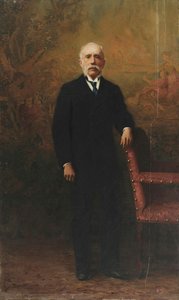
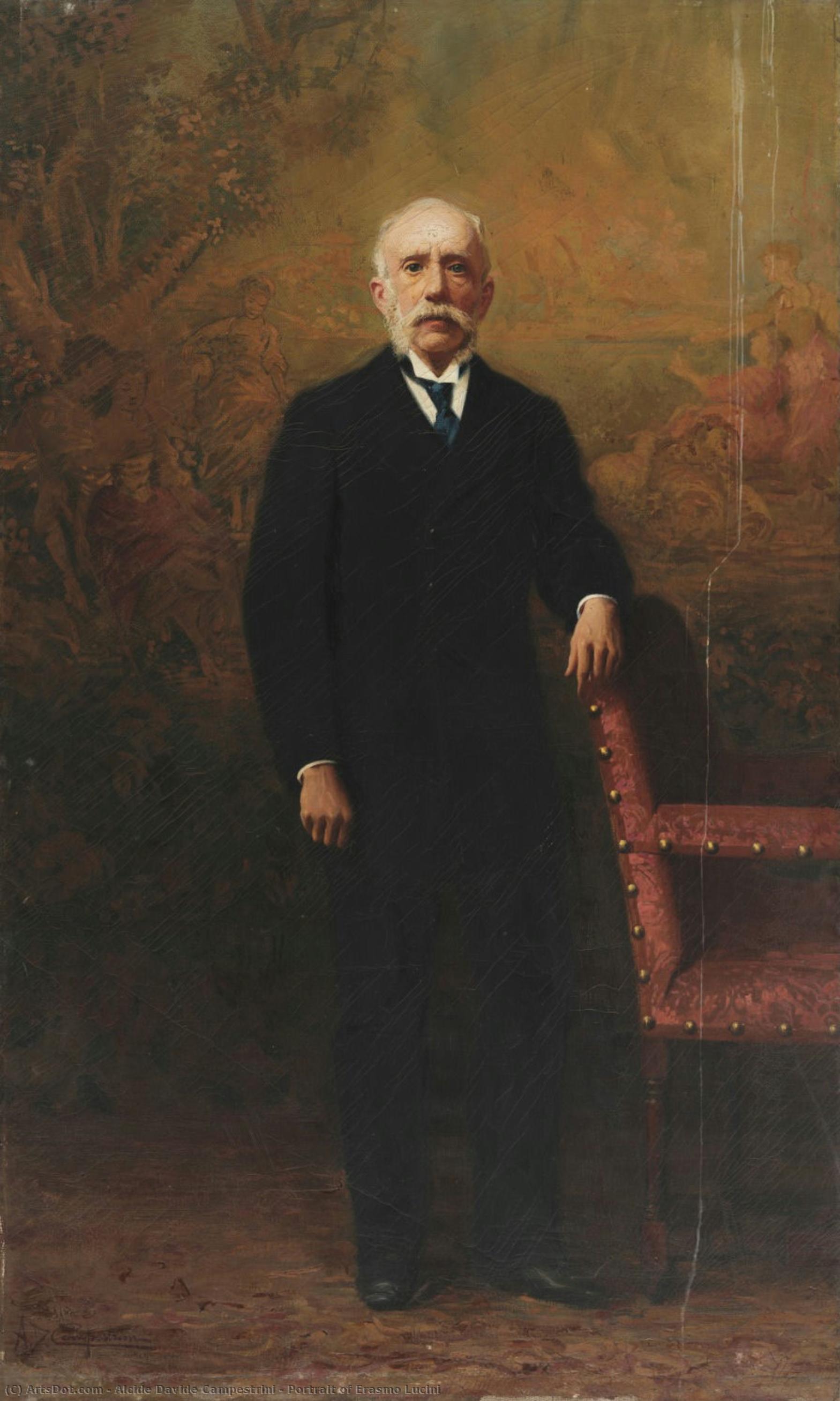
Portrait of Erasmo Lucini
 1919
1919 200.0 x 120.0 cm
 Ca’ Granda – Ospedale Maggiore Policlinico
 Read More
Hand Made Oil Reproduction
Hand-painted oil on canvas in your size and frame, made to order by our artists. ( Buy Print Buy Image)




































Pick from our preset sizes that match the artwork's original proportions.

You may enter your own dimensions to fit a specific frame or space. If your selected size does not match the original image's proportions, we will either crop the artwork or extend the painting with additional hand-painted elements. A digital mockup will be sent for your approval before production begins.
Please note that the on-screen preview does not reflect the actual cropping or extension. Only the mockup will accurately show the final composition.
While custom sizes are available, we recommend selecting a dimension from the predefined list to preserve the original proportions.
After order, ArtsDot.com team will email client for instructions and provide a mockup preview
Worldwide Delivery () in 3/4 weeks instead of standard 5 weeks. (26 August). No compromise on quality.

Free Worldwide Express Shipping

High-Quality Linen Canvas

Full Shipping Insurance

Customs Tax Refund Guarantee

True Color Matching Guarantee

60-Day Return Policy (Defects Only)

100% Money-Back Guarantee

Bulk Discount Offer
 Glass option is only available in size under 110 CM

Portrait of Erasmo Lucini
Reproduction Medium
Reproduction Size
-


Total Price
$ 263
Related Artworks








Artist Biography
Edvard Munch: A Soul Exposed
Edvard Munch (December 12, 1863 – January 23, 1944) stands as one of the most profoundly influential and emotionally resonant figures in modern art. Born in Løten, Norway, his life was marked by a relentless struggle with illness, loss, and an acute awareness of human suffering—themes that would become inextricably woven into the fabric of his iconic paintings and prints. More than simply depicting scenes, Munch sought to externalize inner turmoil, capturing the very essence of anxiety, despair, and the fleeting nature of existence. His work profoundly impacted both Symbolism and Expressionism, establishing a new vocabulary for representing psychological states and solidifying his place as a pioneer in exploring the darker recesses of the human experience.Early Life and Influences: A Shadowed Childhood
Munch’s childhood was far from idyllic. His mother succumbed to tuberculosis when he was only five, followed by the deaths of his father and an older sister due to the same disease. These early traumas, compounded by a family history of mental illness, cast a long shadow over his life and profoundly shaped his artistic vision. He described his upbringing as “a cradle of illness, insanity, and death,” experiences that instilled in him a deep preoccupation with mortality and the fragility of human existence. Despite limited formal training, Munch demonstrated an early aptitude for drawing, nurtured by encouragement from fellow artist Christian Krohg within the bohemian circles of Kristiania (now Oslo). Exposure to French Impressionism during a trip to Paris in 1889 further broadened his artistic horizons, introducing him to new techniques and perspectives on color and light. However, it was the Symbolist movement, with its emphasis on subjective experience and the exploration of hidden meanings, that truly resonated with Munch’s sensibilities.The Emergence of a Distinctive Style: ‘The Scream’ and Beyond
Munch's artistic style evolved dramatically over his long career, but certain recurring motifs—particularly distorted figures, vibrant yet unsettling colors, and expressions of intense emotion—became hallmarks of his work. *The Scream* (1893), arguably his most famous painting, is a visceral depiction of existential anguish, capturing the feeling of being overwhelmed by the vastness and indifference of nature. The figure’s contorted face and outstretched arms convey a primal scream of despair, resonating with viewers on a deeply emotional level. Following *The Scream*, Munch embarked on the ambitious *Frieze of Life* series (1893-1900), a cycle of paintings exploring themes of love, anxiety, jealousy, and death—a poignant reflection of his own personal struggles. His use of color was particularly innovative; he often employed complementary hues to heighten emotional impact, creating a sense of unease and disorientation. He also experimented extensively with printmaking, producing hauntingly beautiful woodcuts and lithographs that served as both independent works of art and illustrations for his own books.Key Works and Recurring Themes
Beyond *The Scream*, Munch’s oeuvre is rich in powerful and evocative images. *Madonna* (1893-95) offers a poignant reimagining of the biblical scene, portraying Mary cradling the lifeless body of Christ with an expression of profound grief. *Despair* (1893), a series of lithographs depicting a solitary figure engulfed in darkness, explores themes of isolation and hopelessness. His depictions of women—often rendered as pale, ethereal figures—frequently convey vulnerability and fragility. Recurring motifs include crows, serpents, and skeletal forms, all serving as symbols of death, decay, and the anxieties that haunted Munch’s life. The influence of his personal experiences – illness, loss, and mental instability – is palpable in every brushstroke, every line, every carefully chosen color.Legacy and Historical Significance
Edvard Munch's work continues to captivate audiences worldwide, not only for its aesthetic beauty but also for its unflinching exploration of the human psyche. He anticipated many of the concerns of 20th-century art movements, particularly Expressionism, by prioritizing emotional expression over realistic representation. *The Scream*, in particular, has become an enduring symbol of modern anxiety and alienation, reproduced countless times and referenced in popular culture. Munch’s legacy extends beyond his individual paintings; he fundamentally altered the way artists approached the depiction of emotion, paving the way for future generations to explore the complexities of human experience with unprecedented honesty and vulnerability. His work remains a powerful testament to the enduring power of art to confront our deepest fears and anxieties, offering solace and understanding in a world often characterized by uncertainty and despair.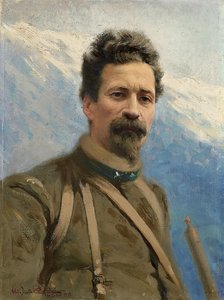
alcide davide campestrini
1863 - 1940 , Italy
Quick Facts
- Artistic Movement Or Style: Expressionism, Symbolism
- Artists Or Movements Influenced By This Artist: ['German Expressionism']
- Artists Who Influenced This Artist:
- Vincent van Gogh
- Paul Gauguin
- Date Of Birth: December 12, 1863
- Date Of Death: January 23, 1944
- Full Name: Edvard Munch
- Nationality: Norwegian
- Notable Artworks:
- The Scream
- Madonna
- Place Of Birth: Løten, Norway