

 Preview
 Send
Send Share
Share
 Details

 Download
 Similars
 X-Ray
X-Ray Diaporama
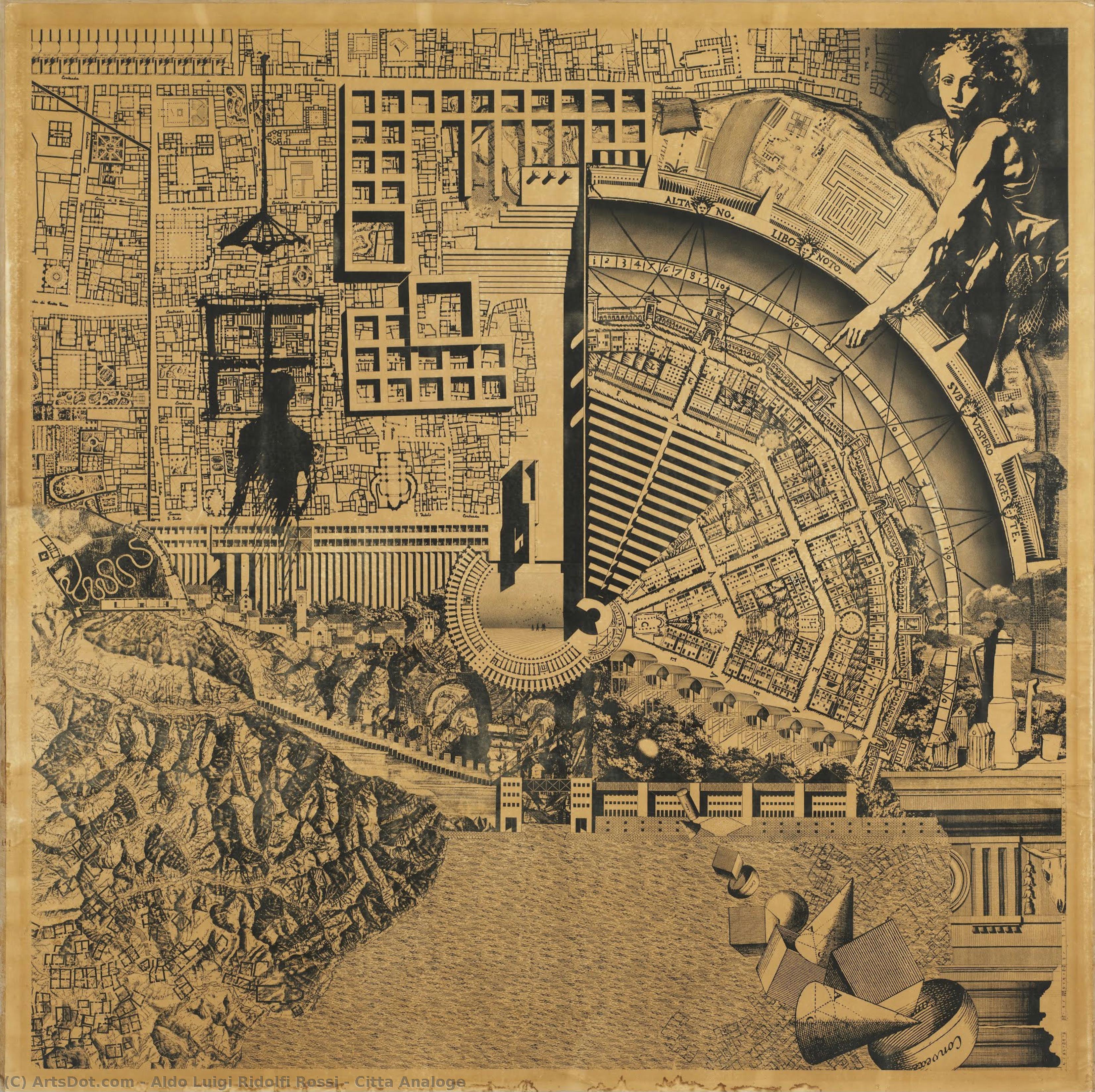
Citta Analoge
 Acrylic On Canvas
- WallArt
- Postmodern Architecture
 200.0 x 200.0 cm
 Bonnefanten Museum
 Read More
Purchase a high-resolution, enhanced digital image, far superior to the online preview.
Each file is meticulously prepared by our in-house specialists using advanced tools and expert manual retouching. We ensure every image has exceptional clarity, precise color accuracy, and fine detail.
The final file is delivered via email within 72 hours, optimized for immediate use in professional, editorial, and print environments. This is the same quality trusted by top-tier design studios, publishers, and galleries.
Digital Image
Download a high-resolution file for personal display, printing, and creative projects. ( Buy Print Buy Hand Made Painting)
Included in Every Digital Image Order
Expert Digital Delivery, Guaranteed
When you choose ArtsDot.com, you're not just getting an image - you're receiving a professionally enhanced digital artwork, crafted with precision and backed by a satisfaction guarantee. Here's everything that comes with your order, automatically:

Fast Email Delivery
Your high-resolution digital image file will be emailed to you within 72 hours of ordering - ready for immediate use.

AI-Enhanced Digital File
Your artwork is professionally optimized using advanced AI tools and manual editing, ensuring maximum detail, clarity, and color accuracy.

Free Lifetime Re-Delivery
Accidentally deleted or lost your file? No worries - we'll resend it to you anytime, free of charge.

No Import Fees - Ever
Enjoy your artwork instantly with zero customs, duties, or delivery fees - digital downloads are always tax-free.

Color Accuracy Guarantee
We ensure your digital image reflects the original colors as closely as possible using professional tools and color management.

60-Day Satisfaction Guarantee
If you're not satisfied with your digital image, we'll revise it or refund 100% within 60 days - no questions asked.

100% Money-Back Guarantee
Not satisfied? Get a full refund within 60 days of receiving your digital file - no questions asked.

Bulk Order Discounts
Buy 3 images, save 10% - Buy 5, save 15% - Buy 10+, save 20%. Great for creative projects, galleries, and agencies.
Collectible Description
Citta Analoge: A City of Echoes on Paper
Aldo Rossi’s “Citta Analoge” – literally "Analog Cities" – is not merely a depiction of a cityscape; it's an architectural meditation, a layered investigation into the very nature of urban design and its relationship to history. Created in 1975 for the Venice Biennale, this monumental panel, measuring a substantial 2 x 2 meters, represents a pivotal moment in Rossi’s career and a significant contribution to the burgeoning field of postmodern theory. It's a work that invites prolonged contemplation, demanding not just observation but an active engagement with its intricate layers of reference and symbolic meaning.
The genesis of “Citta Analoge” lies within the hallowed halls of the Technical University Zürich, where a collective of young Swiss architects, guided by Rossi’s visionary hand, embarked on this ambitious project. Drawing upon a vast archive of architectural fragments – historical buildings, urban plans, and even biblical narratives – they constructed an ‘analogous city,’ a hybrid landscape blending medieval charm with modern planning principles. The deliberate inclusion of familiar landmarks, subtly interwoven into the design, serves as a constant reminder of the past informing the present, prompting viewers to consider how history shapes our contemporary urban experience. The playful nod to David and Goliath adds a layer of ironic commentary on power dynamics and the enduring struggle between tradition and innovation.
Technique and Materiality: A Collage of Memories
“Citta Analoge” is not a painting or a photograph; it’s a meticulously crafted collage, a testament to Rossi's commitment to embracing the materiality of architectural documentation. The original panel was created using a complex and remarkably resourceful technique – a reproduction of an earlier collage that had tragically been lost. Utilizing a diverse array of printing methods, including offset lithography, screenprinting, and hand-coloring, the architects achieved a remarkable level of detail and textural variation. This hybrid approach resulted in a surface rich with visual cues: subtle shifts in tone, layered textures, and the ghosting of previous print runs – all contributing to the work’s unique character.
The panel's physical presence is equally compelling. The slightly aged paper, the unevenness of the printing, and the deliberate imperfections speak to the process itself, emphasizing the hand-crafted nature of this complex architectural study. It’s a tangible reminder that even in the realm of theory, there’s an inherent value in embracing the traces of creation – the evidence of labor, experimentation, and ultimately, a profound engagement with the subject matter.
Historical Context: The Seeds of Postmodernism
“Citta Analoge” emerged during a period of intense debate within architectural circles. The dominant modernist paradigm, championed by figures like Le Corbusier, was increasingly being challenged as architects sought to reconnect with local traditions and the complexities of historical context. Rossi’s work represents a crucial step in this shift, articulating a new approach that valued the layering of history, the embrace of vernacular forms, and the critical examination of urban planning practices. The panel reflects the intellectual currents of the 1970s – a time marked by growing skepticism towards grand utopian schemes and a renewed interest in the tangible realities of everyday life.
Furthermore, “Citta Analoge” aligns with Rossi’s broader theoretical project, which sought to establish a new discipline of architectural theory based on the analysis of existing buildings and urban landscapes. He argued that architecture should not be conceived as an abstract exercise in design but rather as a dialogue with the past – a process of carefully observing, interpreting, and ultimately, reinterpreting the built environment.
A City to Be Visited by Eye
Ultimately, “Citta Analoge” is more than just a representation of a city; it’s an invitation to engage in a complex act of visual archaeology. It's a puzzle, as its creator intended, but one that rewards patient observation and critical reflection. The work’s enduring appeal lies in its ability to evoke a sense of both familiarity and strangeness – a recognition of the places we inhabit alongside a profound awareness of their hidden histories and unspoken narratives. Reproductions offer a unique opportunity to experience this layered complexity, allowing viewers to delve into the intricate details of Rossi's architectural vision and contemplate the enduring questions at the heart of urban design.
Related Artworks



Artist Biography
early life and education
aldo luigi ridolfi rossi, a renowned italian architect, designer, and writer, was born in 1931 in milan, italy. he pursued his architectural studies at the polytechnic university of milan, graduating in 1959.career and contributions
rossi's work spanned four distinct areas: architectural theory, drawing and design, product design, and writing. as a leading proponent of the postmodern movement, he was the first italian to receive the prestigious pritzker prize for architecture.- his architectural designs were characterized by simplicity, clarity, and attention to detail, often incorporating traditional materials like brick, stone, and wood.
- notable works include the gallaratese housing complex in milan (1970-74), the bonnefaten museum in maastricht, netherlands (1995), and the san cataldo cemetery in modena, italy (1971-84).
teaching and writing
apart from his architectural accomplishments, rossi was a prolific writer and teacher. he held positions at several prestigious universities, including:- the university of padua
- the university of venice
- the massachusetts institute of technology
legacy and impact
rossi's influence on postmodern architecture is undeniable. his work continues to inspire architects, designers, and writers worldwide. recommended readings: * aldo luigi ridolfi rossi's profile on ArtsDot.com: [https://ArtsDot.com/@/aldo-luigi-ridolfi-rossi](https://ArtsDot.com/@/aldo-luigi-ridolfi-rossi) * explore the museum of the cathedral (milan, italy) on ArtsDot.com: /en/art/show/art-d3chqd-en/ notable artworks: * clara pierce wolcott: trumpet creeper table lamp (bronze, 72 x 55 cm) - [https://ArtsDot.com/@@/d5ct5y](https://ArtsDot.com/@@/d5ct5y) * giuseppe sommaruga: villa pietro faccanoni (italia liberty, rimini, italy, photography) - [https://ArtsDot.com/@@/d4avmu](https://ArtsDot.com/@@/d4avmu)conclusion
aldo luigi ridolfi rossi's legacy in the world of architecture and design is a testament to his innovative spirit and creative genius. through his work, he continues to influence new generations of architects, designers, and writers.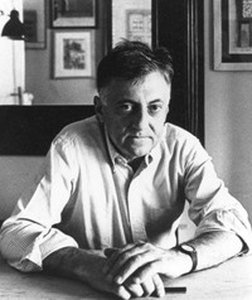
aldo luigi ridolfi rossi
1931 - 1997 , Italy
Quick Facts
- Artistic Movement Or Style: Postmodern Architecture
- Artists Or Movements Influenced By This Artist: ['Le Corbusier']
- Artists Who Influenced This Artist:
- Piero Portaluppi
- Auguste Perret
- Date Of Birth: May 3, 1931
- Date Of Death: September 4, 1997
- Full Name: Aldo Luigi Ridolfi Rossi
- Nationality: Italian
- Notable Artworks:
- Clara Pierce Wolcott: Trumpet Creeper Table Lamp
- Giuseppe Sommaruga: Villa Pietro Faccanoni
- Place Of Birth: Milan, Italy

