 Preview
 Send
Send Share
Share
 Details

 Download
 Similars
 X-Ray
X-Ray Diaporama
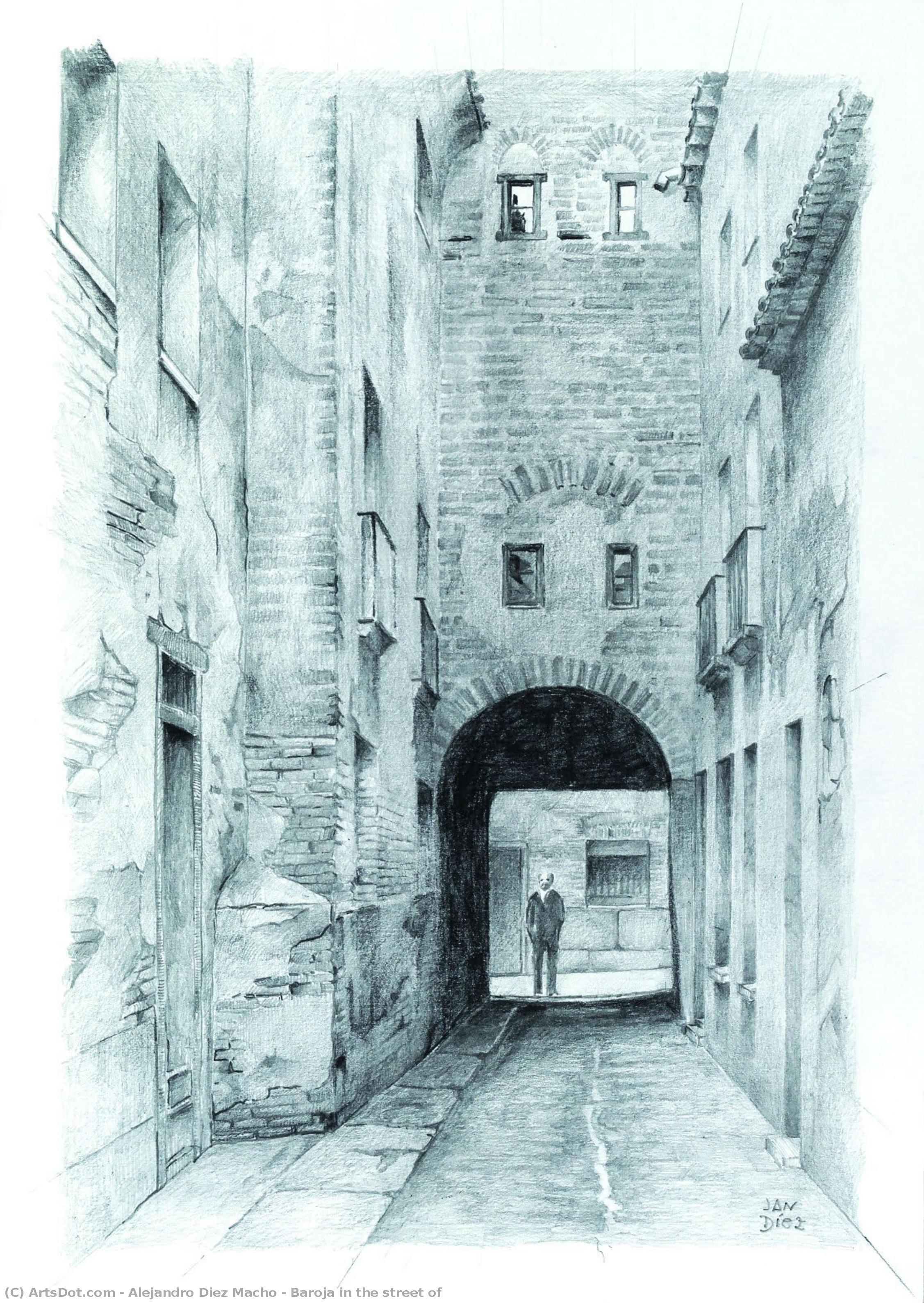
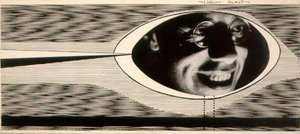
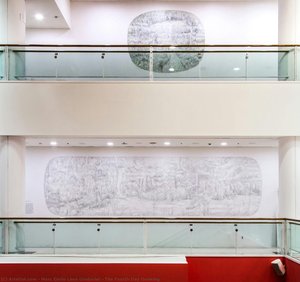
Baroja in the street of


 Read More
Hand Made Oil Reproduction
Hand-painted oil on canvas in your size and frame, made to order by our artists. ( Buy Print Buy Image)




P118B $10

P118H $10

P118W $10

P438Z $10

P508JH $12

P508YH $12

P805H $10

P805Z $10

P919BZ $10

P919G $10

P919XJ $10

P959ZH $10

P968JZ $12

W106C $8

W218G $10

W218JH $8

W218Y $10

W307PJ $10

W316G $10

W316PJ $8

W316Y $10

W398PJ $8

W4111J $10

W500HY $15

W500JH $15

W692G $12

W849H $8

W940BG $15

W953PJ $8




Pick from our preset sizes that match the artwork's original proportions.

You may enter your own dimensions to fit a specific frame or space. If your selected size does not match the original image's proportions, we will either crop the artwork or extend the painting with additional hand-painted elements. A digital mockup will be sent for your approval before production begins.
Please note that the on-screen preview does not reflect the actual cropping or extension. Only the mockup will accurately show the final composition.
While custom sizes are available, we recommend selecting a dimension from the predefined list to preserve the original proportions.
After order, ArtsDot.com team will email client for instructions and provide a mockup preview
Worldwide Delivery () in 3/4 weeks instead of standard 5 weeks. (26 August). No compromise on quality.

Free Worldwide Express Shipping

High-Quality Linen Canvas

Full Shipping Insurance

Customs Tax Refund Guarantee

True Color Matching Guarantee

60-Day Return Policy (Defects Only)

100% Money-Back Guarantee

Bulk Discount Offer
 Glass option is only available in size under 110 CM

Baroja in the street of
Reproduction Medium
Reproduction Size
-


Total Price
$ 263
Related Artworks

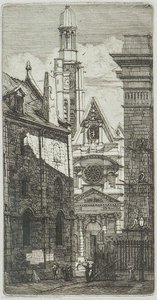
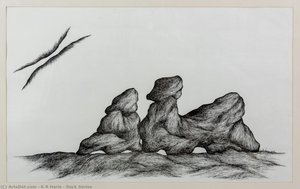
Artist Biography
A Life Dedicated to Unveiling Ancient Voices
Alejandro Díez Macho, born in the serene village of Villafría de la Peña, Palencia, Spain, on May 13th, 1916, was a figure whose life transcended the boundaries typically associated with scholarship. He wasn’t merely an academic; he was a dedicated priest and a profoundly insightful Hebraist who devoted his existence to deciphering the intricate tapestry of Semitic languages and Biblical studies. His journey began with religious vocation, entering the Congregation of the Missionaries of the Sacred Heart after completing his secondary education. However, it quickly became apparent that his true calling lay in the meticulous exploration of ancient texts, a path he pursued with unwavering passion and intellectual rigor. He studied theology at the Gregorian University in Rome before furthering his expertise with a doctorate in Semitic Philology from the University of Barcelona. This foundation would shape not only his career but also his enduring legacy as a pioneer in Second Temple Judaism research within Spain.The Scholar and His Texts
Díez Macho’s academic life unfolded primarily at the University of Barcelona, where he taught Hebrew and Arabic languages and literature until 1973. He then transitioned to the Universidad Complutense in Madrid, continuing his work with Hebrew language and literature until his death in 1984. However, to define him solely as a professor would be an understatement. His true impact stemmed from his relentless pursuit of knowledge within the realms of Aramaic and Biblical studies. He wasn’t content simply teaching these languages; he sought to unlock their secrets, to breathe life back into forgotten narratives. This dedication culminated in his involvement with the monumental *Biblia Políglota Matritense*, a multi-lingual Bible project that aimed to provide scholars with a comprehensive resource for comparative textual analysis. But it was a single discovery that would cement his place in history: the Targum Neophyti I manuscript in 1956, a text considered lost since the sixteenth century. This find wasn’t just an archaeological triumph; it was a gateway into understanding Jewish interpretations of the Hebrew Bible during a crucial period.Influences and Intellectual Development
The intellectual landscape that shaped Díez Macho was one of burgeoning interest in comparative religion and textual criticism. While deeply rooted in his Catholic faith, he possessed an open mind and a genuine curiosity about other cultures and belief systems. His invitation to Alexander Sperber, a renowned scholar from New York, to collaborate at the University of Barcelona in 1951-52 exemplifies this spirit of intellectual exchange. This collaboration was pivotal in unlocking the secrets held within the Targum Neophyti I manuscript. His work wasn’t conducted in isolation; it was born out of dialogue and a willingness to embrace diverse perspectives. He was influenced by the growing field of philology, which emphasized the importance of linguistic analysis in understanding historical texts. This approach allowed him to move beyond simple translation and delve into the nuances of meaning embedded within the Aramaic language.Major Achievements and Lasting Significance
The rediscovery of the Targum Neophyti I manuscript stands as Díez Macho’s most significant achievement. This text, a fragment of an Aramaic translation of the Pentateuch, provided invaluable insights into Jewish exegesis during the Second Temple period—a time crucial for understanding the origins of both Judaism and Christianity. His work on this manuscript wasn't merely about restoring a lost document; it was about reconstructing a lost world of thought and interpretation. He meticulously analyzed the text, comparing it to other Targums and offering new perspectives on its historical context and theological implications. Beyond this landmark discovery, his contributions to the *Biblia Políglota Matritense* were substantial, providing a critical foundation for comparative Biblical scholarship. His research fostered a deeper understanding of the relationship between Hebrew, Aramaic, and other Semitic languages, enriching our knowledge of ancient Near Eastern cultures. Díez Macho’s legacy extends beyond his specific discoveries; he pioneered Second Temple Judaism research in Spain, inspiring generations of scholars to follow in his footsteps. His work continues to be a vital resource for anyone seeking to understand the complex history and enduring power of ancient texts.
alejandro diez macho
1916 - 1984 , Spain
Quick Facts
- Artistic Movement Or Style: Biblical studies
- Date Of Birth: May 13, 1916
- Date Of Death: 1984
- Full Name: Alejandro Díez Macho
- Nationality: Spanish
- Notable Artworks: ['Baroja in the street of']
- Place Of Birth: Villafría de la Peña, Spain
Related Articles

White on Canvas: 10 Masterpieces & Timeless Elegance for Your Home Decor
Explore 10 iconic white paintings by Monet, Whistler & Rothko! Discover the stories behind these serene masterpieces and their impact on art history. Find museum-quality reproductions for your home decor at .

Dark Masterpieces: 10 Iconic Paintings Dominated by Black Tones |
Explore 10 iconic paintings dominated by black tones, from Rembrandt’s chiaroscuro to Goya's dark expressions. Discover the stories behind these masterpieces & find museum-quality art reproductions for your home at .

Monochrome Visions: Exploring the Aesthetic & Historical Significance of Black & White Photography
Explore the rich history & artistic power of black and white photography. From early techniques to iconic masters like Ansel Adams, discover why monochrome continues to captivate art lovers today. Expert insights for collectors.

Timeless & Chic: Elevating Your New Home with the Sophistication of Black and White Photography
Transform your new home with the timeless allure of black and white photography. ArtsDot.com specializes in elegant monochrome decor and custom hand-painted wedding portraits that turn cherished milestones into lasting, soulful masterpieces. Elevate your space with ease.
Mars Black Masterpieces: 10 Iconic Paintings & Timeless Art Decor Ideas
Delve into the power of 'Mars Black' with 10 iconic paintings by masters like Rembrandt & Caravaggio. Explore dramatic chiaroscuro, gothic art, and timeless beauty. Find museum-quality reproductions & elevate your home decor on .