

 Preview
 Send
Send Share
Share
 Details

 Download
 Similars
 X-Ray
X-Ray Diaporama
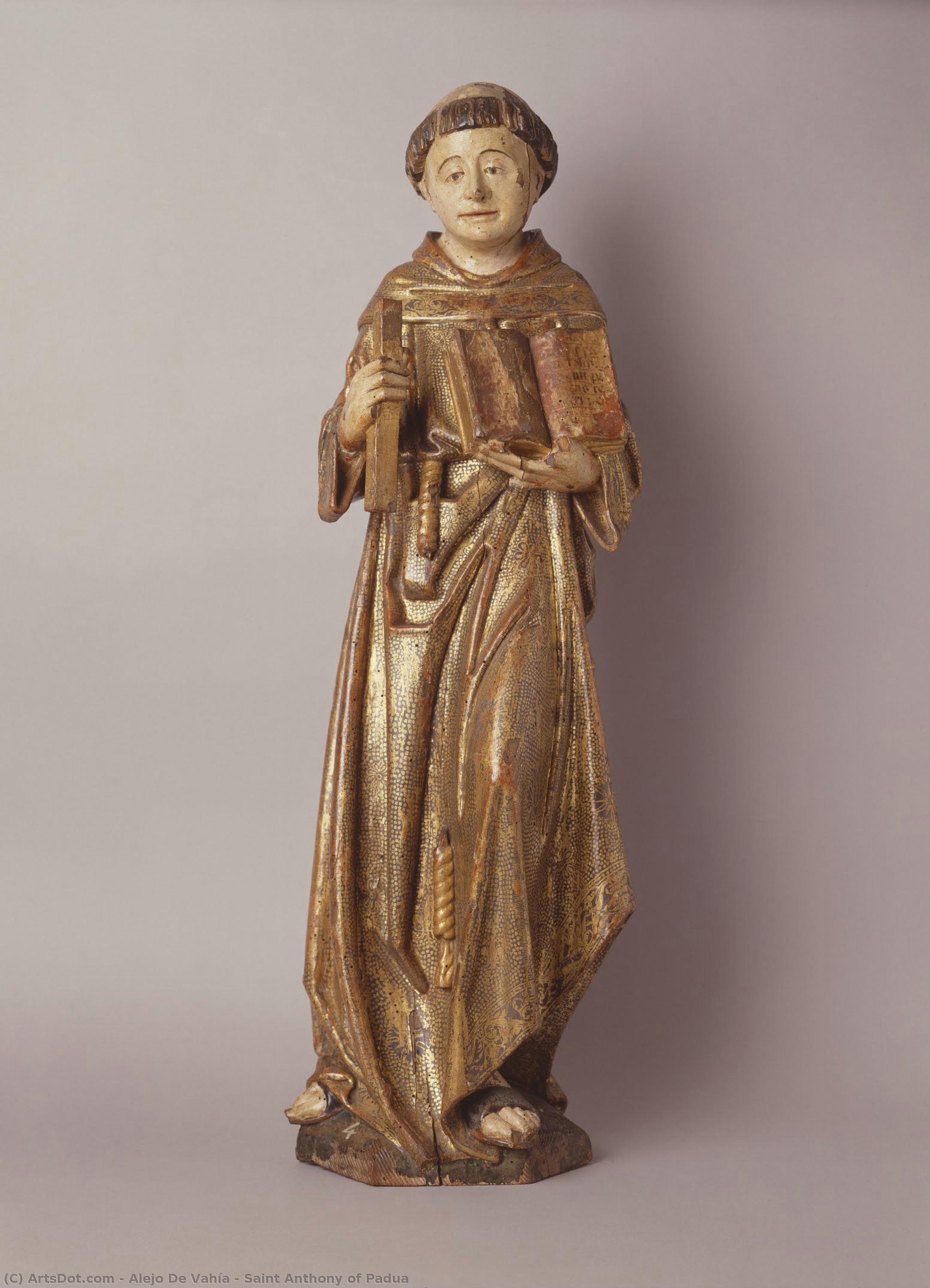
Saint Anthony of Padua
 1500
1500 83.0 x 24.0 cm
 Cau Ferrat Museum
 Read More
Purchase a high-resolution, enhanced digital image, far superior to the online preview.
Each file is meticulously prepared by our in-house specialists using advanced tools and expert manual retouching. We ensure every image has exceptional clarity, precise color accuracy, and fine detail.
The final file is delivered via email within 72 hours, optimized for immediate use in professional, editorial, and print environments. This is the same quality trusted by top-tier design studios, publishers, and galleries.
Digital Image
Download a high-resolution file for personal display, printing, and creative projects. ( Buy Print Buy Hand Made Painting)
Included in Every Digital Image Order
Expert Digital Delivery, Guaranteed
When you choose ArtsDot.com, you're not just getting an image - you're receiving a professionally enhanced digital artwork, crafted with precision and backed by a satisfaction guarantee. Here's everything that comes with your order, automatically:

Fast Email Delivery
Your high-resolution digital image file will be emailed to you within 72 hours of ordering - ready for immediate use.

AI-Enhanced Digital File
Your artwork is professionally optimized using advanced AI tools and manual editing, ensuring maximum detail, clarity, and color accuracy.

Free Lifetime Re-Delivery
Accidentally deleted or lost your file? No worries - we'll resend it to you anytime, free of charge.

No Import Fees - Ever
Enjoy your artwork instantly with zero customs, duties, or delivery fees - digital downloads are always tax-free.

Color Accuracy Guarantee
We ensure your digital image reflects the original colors as closely as possible using professional tools and color management.

60-Day Satisfaction Guarantee
If you're not satisfied with your digital image, we'll revise it or refund 100% within 60 days - no questions asked.

100% Money-Back Guarantee
Not satisfied? Get a full refund within 60 days of receiving your digital file - no questions asked.

Bulk Order Discounts
Buy 3 images, save 10% - Buy 5, save 15% - Buy 10+, save 20%. Great for creative projects, galleries, and agencies.
Related Artworks




Artist Biography
Leonardo da Vinci: A Renaissance Polymath
Leonardo da Vinci, born April 15, 1452, in Anchiano, near Vinci, Italy, remains one of the most iconic and endlessly fascinating figures in human history. More than simply a painter, he was a true polymath – an artist, scientist, inventor, anatomist, architect, engineer, geologist, cartographer, botanist, and writer. His life spanned nearly 67 years, during which he relentlessly pursued knowledge across a staggering array of disciplines, leaving behind a legacy that continues to inspire awe and wonder centuries later. His work embodies the very essence of the Renaissance ideal – a boundless curiosity about the world and an unwavering commitment to understanding its intricate workings.
Leonardo’s early life was marked by unconventionality. Born out of wedlock to Ser Piero da Vinci, a notary, and Caterina, a peasant woman, he received limited formal education but demonstrated exceptional artistic talent from a young age. He apprenticed under Andrea del Verrocchio in Florence, mastering the techniques of painting, sculpture, and drafting. This formative period exposed him to the vibrant artistic scene of the city and instilled in him a deep appreciation for classical art and humanist ideals. Verrocchio’s workshop provided Leonardo with invaluable experience, but it was his own independent spirit that truly shaped his unique approach to art and science.
The Artistic Masterpieces
Leonardo's artistic output, though relatively small compared to some of his contemporaries, is profoundly influential. He famously worked on multiple projects simultaneously, often leaving them unfinished – a characteristic attributed to his restless intellect and constant pursuit of new ideas. Among his most celebrated works are the Mona Lisa (c. 1503-1517), renowned for her enigmatic smile and masterful sfumato technique; The Last Supper (c. 1495-1498) in Milan, a revolutionary fresco depicting Christ’s final meal with his disciples; and Virgin of the Rocks (c. 1483-1486), showcasing his innovative use of light and shadow.
His technique was groundbreaking. Leonardo meticulously studied human anatomy through dissections, gaining an unparalleled understanding of musculature and skeletal structure – knowledge he brilliantly translated into his art. He employed *sfumato*, a subtle blurring of lines and colors, to create atmospheric effects and a sense of depth, while also experimenting with aerial perspective to mimic the way light behaves in nature. His works are not merely representations of reality; they are carefully constructed illusions designed to evoke emotion and convey complex ideas.
Scientific Inquiry and Engineering Innovations
Leonardo’s artistic pursuits were inextricably linked to his scientific investigations. He kept extensive notebooks filled with sketches, diagrams, and observations on a vast range of subjects – from the mechanics of flight to human anatomy, geology, botany, and hydraulics. His studies of optics led him to develop theories about light and color that were centuries ahead of their time.
He envisioned inventions far beyond his era, including flying machines (ornithopters), tanks, submarines, and automated looms. While many of these designs remained unrealized during his lifetime, they demonstrate his extraordinary foresight and inventive genius. Leonardo’s notebooks reveal a mind constantly engaged in problem-solving, seeking to understand the underlying principles governing the natural world. His meticulous drawings and detailed notes provide invaluable insights into his thought processes and scientific methodology.
Legacy and Historical Significance
Leonardo da Vinci died on May 2, 1519, in Amboise, France, where he had spent his final years under the patronage of King Francis I. His influence on art and science is immeasurable. He shifted the focus of artistic representation towards realism and psychological depth, paving the way for future generations of artists. His scientific investigations laid the groundwork for advancements in various fields, demonstrating the interconnectedness of knowledge and the importance of observation and experimentation.
Today, Leonardo da Vinci is revered as one of the greatest geniuses who ever lived – a symbol of human potential and the boundless possibilities of curiosity and creativity. His works continue to captivate audiences worldwide, reminding us of the enduring power of art and science to illuminate our understanding of ourselves and the world around us. His legacy extends far beyond his individual achievements; he embodies the spirit of the Renaissance itself—a testament to the transformative power of human intellect.
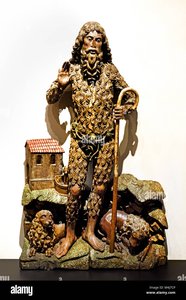
alejo de vahía
1500 - , Spain
Quick Facts
- Artistic Movement Or Style: High Renaissance
- Artists Or Movements Influenced By This Artist: ['Da Vinci family']
- Artists Who Influenced This Artist: ['Andrea del Verrocchio']
- Date Of Birth: 15 April 1452
- Date Of Death: 2 May 1519
- Full Name: Leonardo di ser Piero da Vinci
- Nationality: Italian
- Notable Artworks:
- Mona Lisa
- The Last Supper
- Vitruvian Man
- Place Of Birth: Vinci, Italy

