

 Preview
 Send
Send Share
Share
 Details

 Download
 Similars
 X-Ray
X-Ray Diaporama
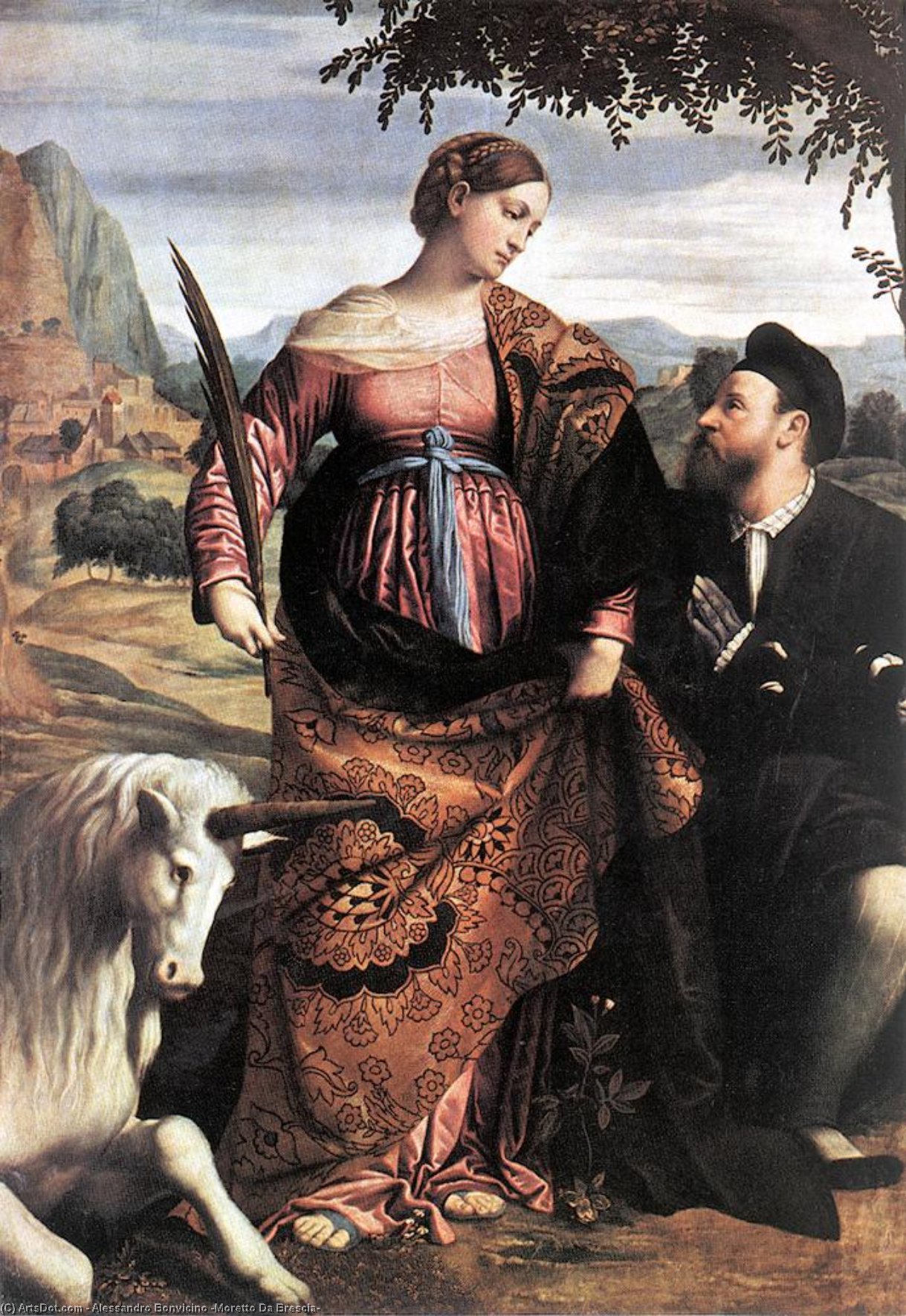
St Justina with the Unicorn
 Acrylic On Canvas
- WallArt
- Renaissance/Early Mannerism
 1530
1530 200.0 x 139.0 cm
 Kunsthistorisches Museum
 Read More
Purchase a high-resolution, enhanced digital image, far superior to the online preview.
Each file is meticulously prepared by our in-house specialists using advanced tools and expert manual retouching. We ensure every image has exceptional clarity, precise color accuracy, and fine detail.
The final file is delivered via email within 72 hours, optimized for immediate use in professional, editorial, and print environments. This is the same quality trusted by top-tier design studios, publishers, and galleries.
Digital Image
Download a high-resolution file for personal display, printing, and creative projects. ( Buy Print Buy Hand Made Painting)
Included in Every Digital Image Order
Expert Digital Delivery, Guaranteed
When you choose ArtsDot.com, you're not just getting an image - you're receiving a professionally enhanced digital artwork, crafted with precision and backed by a satisfaction guarantee. Here's everything that comes with your order, automatically:

Fast Email Delivery
Your high-resolution digital image file will be emailed to you within 72 hours of ordering - ready for immediate use.

AI-Enhanced Digital File
Your artwork is professionally optimized using advanced AI tools and manual editing, ensuring maximum detail, clarity, and color accuracy.

Free Lifetime Re-Delivery
Accidentally deleted or lost your file? No worries - we'll resend it to you anytime, free of charge.

No Import Fees - Ever
Enjoy your artwork instantly with zero customs, duties, or delivery fees - digital downloads are always tax-free.

Color Accuracy Guarantee
We ensure your digital image reflects the original colors as closely as possible using professional tools and color management.

60-Day Satisfaction Guarantee
If you're not satisfied with your digital image, we'll revise it or refund 100% within 60 days - no questions asked.

100% Money-Back Guarantee
Not satisfied? Get a full refund within 60 days of receiving your digital file - no questions asked.

Bulk Order Discounts
Buy 3 images, save 10% - Buy 5, save 15% - Buy 10+, save 20%. Great for creative projects, galleries, and agencies.
A Serene Vision of Faith and Myth
Alessandro Bonvicino, universally known as Moretto da Brescia, possessed a singular gift: the ability to imbue his paintings with an almost palpable tranquility. His work rarely explodes with dramatic gesture or flamboyant color; instead, he offers a quiet contemplation, a serene invitation into a world of carefully observed beauty and subtle symbolism. “St Justina with the Unicorn,” painted around 1530, exemplifies this approach perfectly – a captivating tableau that blends the solemnity of religious iconography with the fantastical allure of medieval legend.
The scene unfolds within a meticulously rendered landscape, rolling hills bathed in the soft light of an autumnal sky. At its heart stands St Justina, a figure of profound dignity and quiet strength. Dressed in a vibrant red gown, adorned with delicate blue patterns – colors often associated with royalty and piety – she commands attention not through ostentation but through her composed bearing. Her white headdress and veil further emphasize her spiritual stature, while the long arrow held firmly in her right hand hints at a role as a diviner or prophetess, suggesting an active engagement with the mysteries of the divine.
The Figure of the Donor and the Shadowed Presence
To St Justina’s left stands a man shrouded in shadow. Dressed in a dark, flowing robe with a high collar, his face remains obscured by the deep shade of his hat. This figure, often interpreted as a donor – someone who commissioned or provided for the saint – adds an element of mystery and intrigue to the composition. His posture suggests attentive listening, perhaps absorbing St Justina’s wisdom or seeking guidance from her prophetic abilities. The interplay of light and shadow creates a sense of depth and psychological complexity, inviting viewers to contemplate his identity and motivations.
Dominating the right side of the painting is the unicorn itself – a creature steeped in symbolism throughout Western art. Moretto’s rendition is particularly graceful, its head lowered as if in reverence or submission before St Justina. The unicorn's presence isn't merely decorative; it represents purity, grace, and divine favor. Its inclusion elevates the scene beyond a simple depiction of a saintly figure, transforming it into a meditation on faith, virtue, and the intersection of earthly and spiritual realms.
A Renaissance Synthesis: Style and Context
Moretto’s “St Justina with the Unicorn” is a masterful synthesis of influences. Rooted in the Venetian artistic tradition – particularly the work of Titian and Raphael – it retains a distinctly Italian sensibility, characterized by luminous color palettes and a focus on idealized beauty. However, Moretto departs from the exuberance of his contemporaries, prioritizing serenity and contemplative mood over dramatic narrative. The painting’s meticulous detail, evident in the textures of the fabrics, the rendering of the landscape, and the subtle expressions on the figures' faces, speaks to his rigorous training and artistic skill.
Painted around 1530, the work reflects the humanist ideals that were flourishing during the High Renaissance. The emphasis on virtue, faith, and the harmonious relationship between humanity and nature aligns with this broader cultural context. The choice of St Justina herself – a figure revered for her piety and martyrdom – further underscores the painting’s moral and spiritual message. It's a testament to Moretto's ability to capture not just a visual likeness but also the essence of his subject, creating an image that continues to resonate with viewers centuries later.
A Timeless Masterpiece
“St Justina with the Unicorn” is more than simply a beautiful painting; it’s a profound meditation on faith, virtue, and the enduring power of myth. Moretto's serene vision offers a rare moment of quiet contemplation – an invitation to lose oneself in its beauty and contemplate the mysteries of the human spirit.
Related Artworks


Artist Biography
A Serene Voice of the Venetian Renaissance
Alessandro Bonvicino, known universally as Moretto da Brescia, stands as a pivotal figure in the artistic landscape of 16th-century Italy. Born around 1498 in Rovato, Lombardy, he emerged during a period of intense artistic innovation, inheriting the legacy of masters like Titian and Raphael while forging his own distinctive style characterized by remarkable tranquility and luminous color palettes. Unlike many contemporaries consumed by dramatic narratives or flamboyant ornamentation, Moretto’s oeuvre prioritizes contemplative beauty—a reflection of the humanist ideals that permeated Renaissance Europe. His name, a tribute to his birthplace, serves as a permanent link to the rich cultural heritage of Brescia, a city that provided the perfect backdrop for his quiet, profound mastery.
His formative years were steeped in Brescia's artistic tradition, where he honed his skills under the tutelage of Giovanni Battista Brustolo. This early training instilled in him a profound appreciation for classical forms and harmonious compositions that would define his career. As his talent blossomed, Moretto’s work began to exhibit a unique synthesis of influences; while he absorbed the grace of Raphael and the atmospheric richness of the Venetian school, he resisted the more theatrical impulses of artists like Tintoretto. Instead, he cultivated an aesthetic of restraint, where figures are rendered with understated elegance against backgrounds bathed in soft, diffused light. This meticulous attention to detail and masterful use of glazing techniques contribute significantly to the ethereal quality of his canvases, making his work feel both physically present and spiritually transcendent.
Mastery of Light and Devotional Depth
The true essence of Moretto’s genius is perhaps most visible in his religious commissions. He mastered the genre of the altarpiece with unparalleled grace, transforming sacred narratives into moments of quiet introspection. In these works, biblical scenes are depicted with a remarkable sensitivity, conveying deep spiritual truths without resorting to overt emotionalism or jarring drama. His ability to manipulate light—creating a sense of sfumato that wraps around his subjects—allows for a soft, naturalistic glow that breathes life into the saints and martyrs he portrays. This luminous quality is not merely a technical feat but a symbolic one, representing the divine presence within the earthly realm.
Beyond his religious devotion, Moretto was also a celebrated portraitist. His portraits are noted for their psychological depth and a certain dignified stillness that captures the character of his subjects with remarkable clarity. Whether depicting high-ranking clergy or local nobility, he imbued his sitters with a sense of permanence and poise. The following elements characterize his technical approach:
- Luminous Color Palettes: A sophisticated use of color that emphasizes harmony over contrast.
- Atmospheric Perspective: The creation of depth through the subtle manipulation of light and shadow.
- Classical Composition: A reliance on balanced, stable structures derived from Renaissance humanism.
- Textural Realism: An extraordinary ability to render the tactile quality of fabrics, metals, and skin.
Legacy and Historical Significance
As the Renaissance progressed toward the more turbulent and energetic Mannerist style, Moretto da Brescia remained a steadfast guardian of serenity. His historical significance lies in his ability to maintain a sense of classical equilibrium amidst a changing artistic world. He provided a necessary counterpoint to the grandiosity of Veronese and the dynamism of Tintoretto, offering instead a vision of peace and spiritual clarity. This unique position allowed him to influence subsequent generations of Lombard painters, ensuring that the quiet dignity of the Brescian school would endure.
Today, Moretto’s works are cherished not only for their technical brilliance but for the emotional sanctuary they provide to the viewer. His paintings serve as windows into a period of profound intellectual and spiritual searching, where art was used to bridge the gap between the human experience and the divine. Through his enduring legacy, Alessandro Bonvicino continues to remind us that true power in art often resides not in the loudest gesture, but in the most whispered truth.
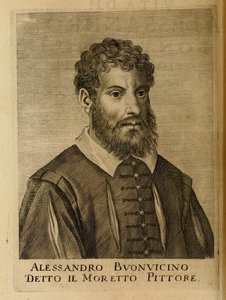
alessandro bonvicino (moretto da brescia)
1498 - 1554 , Italy
Quick Facts
- Artistic Movement Or Style: Renaissance art
- Artists Who Influenced This Artist:
- Titian
- Raphael
- Date Of Birth: c. 1498
- Date Of Death: December 1554
- Full Name: Alessandro Bonvicino
- Nationality: Italian
- Notable Artworks:
- Portrait of a Man
- Christ in the Wilderness
- Female portraits in front of landscapes 1
- Place Of Birth: Rovato, Italy

