

 Preview
 Send
Send Share
Share
 Details

 Download
 Similars
 X-Ray
X-Ray Diaporama
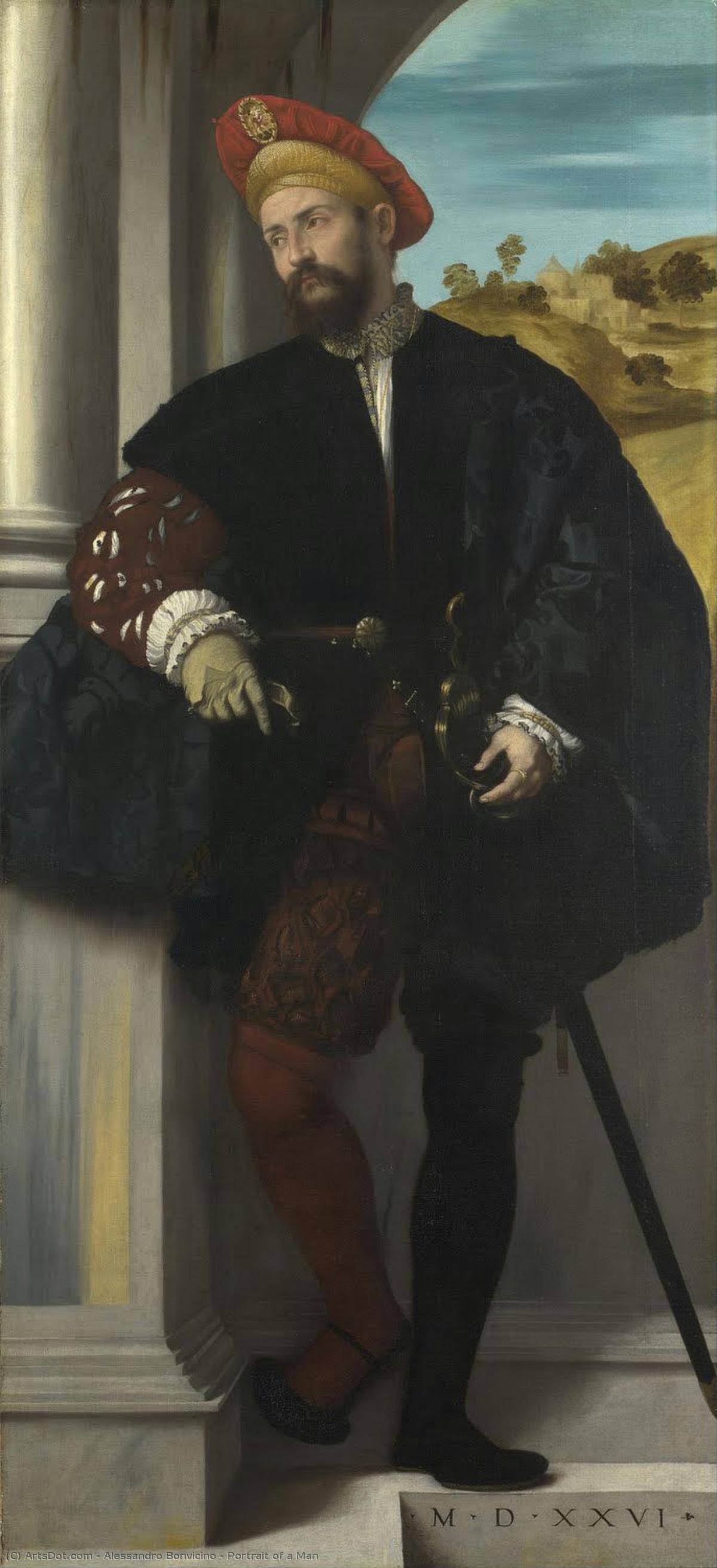
Portrait of a Man
 Oil On Canvas
- WallArt
- Early Renaissance
 1526
1526 201.0 x 92.0 cm
 National Gallery
 Read More
Purchase a high-resolution, enhanced digital image, far superior to the online preview.
Each file is meticulously prepared by our in-house specialists using advanced tools and expert manual retouching. We ensure every image has exceptional clarity, precise color accuracy, and fine detail.
The final file is delivered via email within 72 hours, optimized for immediate use in professional, editorial, and print environments. This is the same quality trusted by top-tier design studios, publishers, and galleries.
Digital Image
Download a high-resolution file for personal display, printing, and creative projects. ( Buy Print Buy Hand Made Painting)
Included in Every Digital Image Order
Expert Digital Delivery, Guaranteed
When you choose ArtsDot.com, you're not just getting an image - you're receiving a professionally enhanced digital artwork, crafted with precision and backed by a satisfaction guarantee. Here's everything that comes with your order, automatically:

Fast Email Delivery
Your high-resolution digital image file will be emailed to you within 72 hours of ordering - ready for immediate use.

AI-Enhanced Digital File
Your artwork is professionally optimized using advanced AI tools and manual editing, ensuring maximum detail, clarity, and color accuracy.

Free Lifetime Re-Delivery
Accidentally deleted or lost your file? No worries - we'll resend it to you anytime, free of charge.

No Import Fees - Ever
Enjoy your artwork instantly with zero customs, duties, or delivery fees - digital downloads are always tax-free.

Color Accuracy Guarantee
We ensure your digital image reflects the original colors as closely as possible using professional tools and color management.

60-Day Satisfaction Guarantee
If you're not satisfied with your digital image, we'll revise it or refund 100% within 60 days - no questions asked.

100% Money-Back Guarantee
Not satisfied? Get a full refund within 60 days of receiving your digital file - no questions asked.

Bulk Order Discounts
Buy 3 images, save 10% - Buy 5, save 15% - Buy 10+, save 20%. Great for creative projects, galleries, and agencies.
Collectible Description
A Window into Renaissance Venice: Alessandro Bonvicino’s “Portrait of a Man”
Alessandro Bonvicino, more intimately known as Moretto da Brescia, possessed a rare gift – the ability to capture not just likeness but also an elusive sense of mood and atmosphere within his paintings. His “Portrait of a Man,” created in 1526, offers a compelling glimpse into the burgeoning artistic landscape of Venice during the High Renaissance, a period marked by both opulent patronage and a subtle shift towards greater psychological depth. This remarkable work, once part of the esteemed Avogadro Collection in Brescia, is more than simply a depiction of an individual; it’s a carefully constructed tableau that speaks volumes about status, contemplation, and the burgeoning humanist ideals of the era.
The painting immediately draws the eye to its subject – a gentleman presented with a dignified composure. He stands before what appears to be a pillar or wall, suggesting a moment of quiet reflection. His attire is indicative of his social standing: a richly colored suit, likely crimson trousers and a blue shirt, speaks to wealth and influence. A prominent Saint Christopher badge adorning his chest further reinforces this image of nobility and piety – a common symbol during the period, representing protection on one’s journey through life. The sword casually resting at his side hints at both power and vigilance, a subtle reminder of the responsibilities associated with his position.
The Venetian Influence: Giorgione and Titian's Legacy
“Portrait of a Man” is deeply rooted in the artistic traditions of Venice, particularly those pioneered by Giorgione and the young Titian. These masters were instrumental in developing a distinctive style characterized by atmospheric perspective, muted color palettes, and an emphasis on capturing fleeting moments of beauty and emotion. Moretto’s work echoes these influences through its hazy background, which creates a sense of distance and mystery. The lighting is soft and diffused, contributing to the painting's overall mood of contemplative serenity. The composition itself—a single figure dominating the frame—is reminiscent of Giorgione’s portraits, prioritizing psychological insight over strict realism.
Notably, the portrait dates back to 1526, a pivotal year in Venetian art history. The city was experiencing a period of immense artistic innovation, fueled by wealthy patrons eager to commission works that reflected their status and refined tastes. This era witnessed the rise of artists like Titian, who pushed the boundaries of painting technique and explored new ways of representing human emotion. Moretto’s work represents a crucial link in this chain of artistic development, demonstrating the continued influence of Venetian masters while also establishing his own unique voice.
Technique and Materials: A Masterful Blend
Painted in oil on canvas, “Portrait of a Man” showcases Moretto's meticulous attention to detail and masterful control of color. The artist skillfully employs sfumato—a technique popularized by Leonardo da Vinci—to create subtle gradations of tone and shadow, lending the figure an ethereal quality. The brushwork is smooth and refined, suggesting a deliberate effort to achieve a sense of polished elegance. The use of layered glazes builds up rich colors and textures, adding depth and luminosity to the painting’s surface. The canvas itself, likely stretched over a wooden panel, provides a stable foundation for this intricate work.
A Portrait of Contemplation: Emotional Resonance
Beyond its formal elements, “Portrait of a Man” possesses a profound emotional resonance. The sitter's distant gaze—a hallmark of Venetian portraiture— invites the viewer to contemplate his thoughts and feelings. There’s an air of quiet introspection about him, as if he is lost in thought or perhaps burdened by some unspoken concern. This subtle ambiguity elevates the portrait beyond a mere likeness, transforming it into a poignant meditation on human experience. It's a reminder that even within the confines of a formal portrait, an artist can capture something far more profound – the essence of a soul.
Currently residing at the National Gallery in London, “Portrait of a Man” stands as a testament to Moretto da Brescia’s artistic skill and his enduring contribution to the rich tapestry of Renaissance art. Reproductions offer an accessible way to appreciate this captivating work, bringing its serene beauty and subtle complexities into any setting.
Related Artworks

Artist Biography
Alessandro Bonvicino (Moretto da Brescia): A Serene Voice of the Renaissance
Alessandro Bonvicino, more commonly known as Moretto da Brescia, stands as a testament to the enduring beauty and subtlety of Italian Renaissance painting. Born around 1498 in Rovato, Italy—a region steeped in artistic tradition—Moretto’s life was inextricably linked with the burgeoning cultural landscape of his time, shaping him into one of Brescia’s most celebrated painters and securing his place amongst the luminaries of Venetian and Florentine art.
Early Influences and Training: Bonvicino's formative years were marked by exposure to artistic excellence. He began his artistic journey under the tutelage of Fioravante Ferramola, a respected Brescia artist who instilled in him foundational techniques. Subsequently, he honed his skills further with Vincenzo Foppa, whose workshop fostered an environment conducive to experimentation and stylistic refinement. Notably, Bonvicino’s brothers, Pietro and Jacopo, were also painters—a familial connection that undoubtedly contributed to the artistic milieu surrounding his upbringing.
A Venetian Flair Amidst Central Italian Roots
Moretto's artistic style embodies a fascinating confluence of influences. While rooted in central italian traditions – particularly those championed by Raphael – he possessed a pronounced affinity for venetian aesthetics, mirroring the stylistic innovations spearheaded by Titian and Giorgione. This dual allegiance resulted in paintings characterized by luminous color palettes, masterful glazing techniques, and an understated elegance that distinguishes them from bolder expressions of the era.
Notable Works: Expressions of Faith and Portraiture
Bonvicino’s oeuvre comprises a selection of impactful altarpieces and portraits that exemplify his artistic prowess. Among his most revered creations is “Saint Jerome,” a serene depiction imbued with spiritual contemplation, reflecting the prevailing devotional fervor of the period. Similarly, “Portrait of a Boy with His Nurse” captures a tender moment between child and caregiver, demonstrating Bonvicino’s ability to convey emotion through nuanced observation.
However, it is perhaps his “Madonna with Child and the Young St John” that exemplifies Bonvicino's signature style—a masterpiece celebrated for its harmonious composition and luminous coloration. These paintings are not merely aesthetically pleasing; they represent profound explorations of human experience and faith, reflecting the humanist ideals prevalent during the Renaissance.
Museum Collections and Legacy
Bonvicino’s artworks grace prominent museums across Italy, including the Uffizi Gallery where his masterpieces reside within the Contini Bonacossi Collection. This collection underscores the enduring appreciation for Bonvicino's artistic vision and confirms his significance as a pivotal figure in Renaissance art history.
Moretto da Brescia’s legacy extends beyond individual paintings; he represents a cornerstone of Brescia’s artistic heritage. His meticulous attention to detail, combined with his masterful command of color and light—traits inherited from Raphael—established him as an influential artist who continues to inspire admiration for generations.
alessandro bonvicino
1498 - 1554 , Italy
Quick Facts
- Artistic Movement Or Style: Renaissance Painting; Oil Painting Altarpiece
- Artists Who Influenced This Artist:
- Titian
- Raphael
- Date Of Birth: c. 1498
- Date Of Death: December 1554
- Full Name: Alessandro Bonvicino
- Nationality: Italian
- Notable Artworks:
- Saint Jerome
- Portrait of a Boy with His Nurse
- Pieta
- Place Of Birth: Rovato, Italy

