

 Preview
 Send
Send Share
Share
 Details

 Download
 Similars
 X-Ray
X-Ray Diaporama
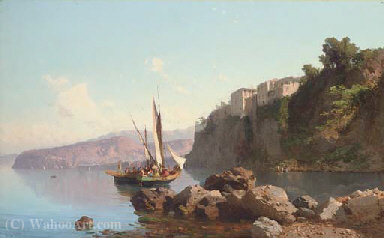
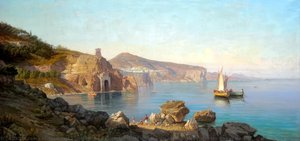
Fishing vessels before sorrento
 Read More
Purchase a high-resolution, enhanced digital image, far superior to the online preview.
Each file is meticulously prepared by our in-house specialists using advanced tools and expert manual retouching. We ensure every image has exceptional clarity, precise color accuracy, and fine detail.
The final file is delivered via email within 72 hours, optimized for immediate use in professional, editorial, and print environments. This is the same quality trusted by top-tier design studios, publishers, and galleries.
Digital Image
Download a high-resolution file for personal display, printing, and creative projects. ( Buy Print Buy Hand Made Painting)
Included in Every Digital Image Order
Expert Digital Delivery, Guaranteed
When you choose ArtsDot.com, you're not just getting an image - you're receiving a professionally enhanced digital artwork, crafted with precision and backed by a satisfaction guarantee. Here's everything that comes with your order, automatically:

Fast Email Delivery
Your high-resolution digital image file will be emailed to you within 72 hours of ordering - ready for immediate use.

AI-Enhanced Digital File
Your artwork is professionally optimized using advanced AI tools and manual editing, ensuring maximum detail, clarity, and color accuracy.

Free Lifetime Re-Delivery
Accidentally deleted or lost your file? No worries - we'll resend it to you anytime, free of charge.

No Import Fees - Ever
Enjoy your artwork instantly with zero customs, duties, or delivery fees - digital downloads are always tax-free.

Color Accuracy Guarantee
We ensure your digital image reflects the original colors as closely as possible using professional tools and color management.

60-Day Satisfaction Guarantee
If you're not satisfied with your digital image, we'll revise it or refund 100% within 60 days - no questions asked.

100% Money-Back Guarantee
Not satisfied? Get a full refund within 60 days of receiving your digital file - no questions asked.

Bulk Order Discounts
Buy 3 images, save 10% - Buy 5, save 15% - Buy 10+, save 20%. Great for creative projects, galleries, and agencies.
Related Artworks


Artist Biography
Alessandro La Volpe: Capturing the Soul of Southern Italy
Born in Lucera, a town nestled within the heart of Italy’s Campania region, Alessandro La Volpe (1820-1887) emerged as a pivotal figure in 19th-century Italian landscape painting. His artistic journey was deeply intertwined with his homeland – specifically, the sun-drenched landscapes and evocative light of Southern Italy, particularly the regions surrounding Naples and the Amalfi Coast. La Volpe’s work transcends mere representation; he sought to capture not just the visual appearance of these places but also their very essence, imbuing each canvas with a palpable sense of atmosphere and emotion.
La Volpe's early artistic training laid the foundation for his distinctive style. He began his formal studies at the Academy of Fine Arts in Naples, where he was mentored by Gabriele Smargiassi and Salvatore Fergola – both prominent figures within the burgeoning Posillipo School. This influential movement, centered around the picturesque district of Posillipo overlooking the Bay of Naples, emphasized a delicate realism combined with an expressive use of light and color. The influence of Smargiassi’s “rosy manner,” characterized by soft hues and atmospheric effects, is particularly evident in La Volpe's later works.
The Landscape as Narrative
La Volpe’s paintings are predominantly landscapes, but they function more like intimate narratives than simple depictions of scenery. He frequently chose subjects that resonated with the everyday lives of the people inhabiting these regions – bustling caravan scenes, quiet harbors dotted with fishing boats, and panoramic views of ancient ruins bathed in golden light. These weren't grand historical compositions; instead, he focused on capturing fleeting moments, the subtle shifts in light, and the interactions between man and his environment.
A key element of La Volpe’s technique was his masterful manipulation of *chiaroscuro* – the dramatic contrast between light and shadow. He employed this device not merely for aesthetic effect but to create a sense of depth, volume, and emotional intensity. The interplay of light and shade transforms ordinary landscapes into scenes brimming with drama and atmosphere. His use of color is equally noteworthy; he favored warm, earthy tones—ochres, siennas, and umbers—that perfectly mirrored the palette of the Italian countryside.
Influences and Artistic Development
La Volpe’s artistic development was shaped by a confluence of influences. As mentioned earlier, the Posillipo School provided him with a foundational understanding of landscape painting in Italy. However, he also drew inspiration from the Barbizon school in France, known for its emphasis on *plein air* (outdoor) painting and a direct observation of nature. This approach is reflected in his meticulous attention to detail and his ability to capture the nuances of light and color as they appear directly before him.
His early career saw him exhibiting at the annual exhibitions of the Promoter of Fine Arts in Naples, showcasing works such as “Temples of Paestum” and “Marina of Paestum.” Later, he moved to Rome, where he established a studio and continued to develop his distinctive style. His move to Rome marked a shift towards more urban landscapes, though he never abandoned his love for the natural beauty of Southern Italy.
Legacy and Historical Significance
Alessandro La Volpe’s contribution to Italian landscape painting is significant not only for his technical skill but also for his ability to evoke a profound sense of place. His paintings offer a glimpse into the soul of Southern Italy—its beauty, its history, and its enduring spirit. He remains an important figure in the Posillipo School and a testament to the power of art to capture the essence of a region and its people.
His work is held in several museums and private collections worldwide, including the Museum of La Plata in Argentina, where his landscapes of the Gulf of Naples are particularly celebrated. La Volpe’s legacy endures as an artist who masterfully translated the light and atmosphere of Southern Italy onto canvas, creating timeless images that continue to captivate viewers today.
alessandro la volpe
1820 - 1887
Quick Facts
- Artistic Movement Or Style: Posillipo School
- Artists Or Movements Influenced By This Artist: ['Macchiaioli']
- Artists Who Influenced This Artist:
- Gabriele Smargiassi
- Salvatore Fergola
- Date Of Birth: February 27, 1820
- Date Of Death: August 2, 1887
- Full Name: Alessandro La Volpe
- Nationality: Italian
- Notable Artworks:
- Paesaggio lacustre
- Temples of Paestum
- Place Of Birth: Lucera, Italy

