 Preview
 Send
Send Share
Share
 Details

 Download
 Similars
 X-Ray
X-Ray Diaporama
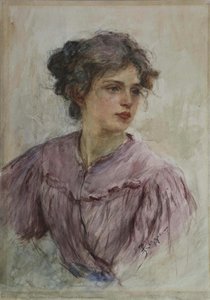
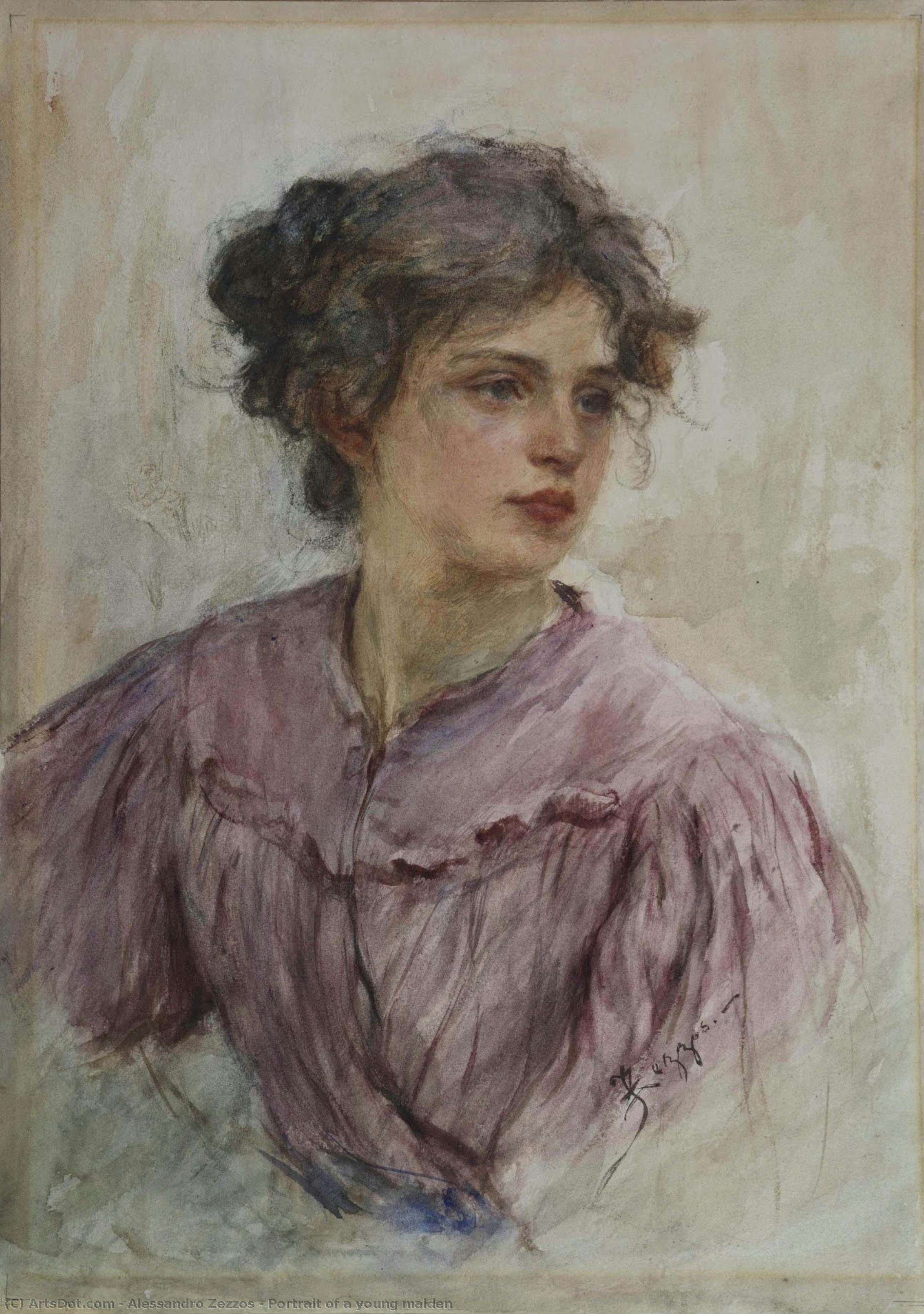
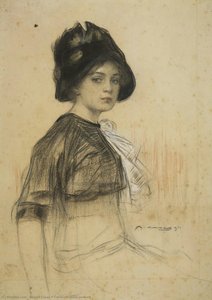
Portrait of a young maiden

 Read More
Hand Made Oil Reproduction
Hand-painted oil on canvas in your size and frame, made to order by our artists. ( Buy Print Buy Image)




































Pick from our preset sizes that match the artwork's original proportions.

You may enter your own dimensions to fit a specific frame or space. If your selected size does not match the original image's proportions, we will either crop the artwork or extend the painting with additional hand-painted elements. A digital mockup will be sent for your approval before production begins.
Please note that the on-screen preview does not reflect the actual cropping or extension. Only the mockup will accurately show the final composition.
While custom sizes are available, we recommend selecting a dimension from the predefined list to preserve the original proportions.
After order, ArtsDot.com team will email client for instructions and provide a mockup preview
Worldwide Delivery () in 3/4 weeks instead of standard 5 weeks. (23 August). No compromise on quality.

Free Worldwide Express Shipping

High-Quality Linen Canvas

Full Shipping Insurance

Customs Tax Refund Guarantee

True Color Matching Guarantee

60-Day Return Policy (Defects Only)

100% Money-Back Guarantee

Bulk Discount Offer
 Glass option is only available in size under 110 CM

Portrait of a young maiden
Reproduction Medium
Reproduction Size
-


Total Price
$ 263
Artwork Description
Related Artworks







Artist Biography
A Venetian Brush: The Life and Art of Alessandro Zezzos
Alessandro Zezzos, born in the romantic city of Venice in 1848, was a painter deeply entwined with the spirit of his birthplace. His life unfolded against a backdrop of shifting empires – he entered the world as part of the Austrian Empire, witnessing its transformation and ultimately becoming a citizen of a unified Italy. This sense of transition perhaps subtly informed his artistic choices, a fascination with capturing moments in time, particularly those steeped in Venetian history and costume. Zezzos wasn’t merely documenting scenes; he was preserving a cultural memory, an elegance that felt increasingly fragile as the 19th century progressed. He came from a mixed heritage – a Venetian mother and a Greek father – which may have contributed to his cosmopolitan outlook and appreciation for diverse artistic traditions. His formal training began at the prestigious Academy of Fine Arts in Venice, where he studied under Giacomo Favretto, Alessandro Milesi, and Luigi Nono. These masters instilled in him not only technical skill but also an understanding of light, color, and composition that would become hallmarks of his style.Early Influences and Artistic Development
Zezzos’s early work reflected the prevailing tastes of Venetian painting – genre scenes depicting everyday life, portraits capturing the likenesses of prominent citizens, and *vedute*, or cityscapes, celebrating the architectural beauty of Venice. However, he quickly distinguished himself through a particular fondness for costume scenes. These weren't simply historical recreations; they were vibrant narratives brought to life with meticulous detail and a keen eye for character. He debuted in 1868 at the halls of the Venetian Society Promoter of Fine Arts with paintings like “Figure of a woman” and “Exercise of inclination”, demonstrating an early aptitude for capturing human form and emotion. The influence of Favretto is particularly noticeable in these initial works, evident in the lively brushwork and attention to atmospheric effects. Critics such as Pompeo Molmenti recognized his talent alongside contemporaries Ciardi and Zandomeneghi in 1871, praising a burgeoning new voice within the Venetian art scene. While some, like Camillo Boito, differentiated his style from that of Zandomeneghi, favoring the latter’s approach, Zezzos continued to refine his own unique vision. His participation in exhibitions at Paris in 1877 – showcasing works such as “Les saltimbanques” and “Les pigeons de Saint Marc” – broadened his exposure and introduced his art to an international audience.A Master of Watercolor and Historical Detail
Zezzos excelled in both oil painting and watercolor, but it was perhaps in the latter medium that his artistry truly shone. His watercolors possess a remarkable luminosity and delicacy, capturing the subtle nuances of light and shadow on the canals and palazzi of Venice. Works like “Le rondini”, exhibited in Turin in 1880, exemplify this mastery – a fleeting moment of beauty rendered with exquisite precision. He wasn’t simply painting buildings; he was evoking an atmosphere, a feeling of being immersed in the Venetian landscape. Throughout his career, Zezzos consistently returned to themes of Italian life and historical moments. He illustrated Henry James's essay “The Grand Canal” in 1892, further cementing his reputation as a chronicler of Venetian culture. His participation in the Venice Biennale from 1897 onwards solidified his position within the Italian art world. Paintings like "Aratura" (Plowing) and "Piazza San Marco" showcased his versatility and continued exploration of genre and landscape themes.Legacy and Historical Significance
Alessandro Zezzos died in Vittorio Veneto in 1914, leaving behind a rich artistic legacy that continues to captivate audiences today. While he may not be as widely recognized as some of his contemporaries, his work offers a valuable glimpse into the social and cultural life of 19th-century Venice. His paintings are more than just pretty pictures; they are historical documents, preserving a sense of place and time. He was also an educator, with Umberto Boccioni among his pupils, demonstrating his commitment to passing on his knowledge and skills to future generations. Zezzos’s colleagues at the Academy – Bartolomeo Bezzi, Guglielmo Ciardi, Antonio Dal Zotto, Pietro Fragiacomo, Emilio Marsili, Luigi Nono, Augusto Sezanne, and Ettore Tito – formed a vibrant artistic community that shaped the landscape of Venetian painting during this period. His retrospective exhibit at the Castello Sforzesco in Milan in 1937 served as a testament to his enduring influence and the lasting beauty of his work. Alessandro Zezzos’s art remains a poignant reminder of Venice's timeless allure, a celebration of its history, culture, and the delicate beauty of everyday life.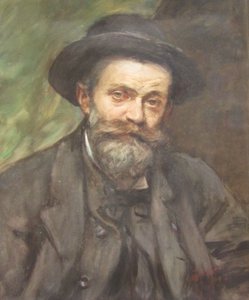
alessandro zezzos
1848 - 1914 , Italy
Quick Facts
- Artistic Movement Or Style: Genre Art
- Artists Or Movements Influenced By This Artist: ['Romanticism']
- Artists Who Influenced This Artist:
- Giacomo Favretto
- Alessandro Milesi
- Luigi Nono
- Date Of Birth: Venice, Italy (1848)
- Date Of Death: Vittorio Veneto (1914)
- Full Name: Alessandro Zezzos
- Nationality: Italian
- Notable Artworks:
- Le rondini
- Una calle
- Place Of Birth: Venice