 Preview
 Send
Send Share
Share
 Details

 Download
 Similars
 X-Ray
X-Ray Diaporama
 Stats
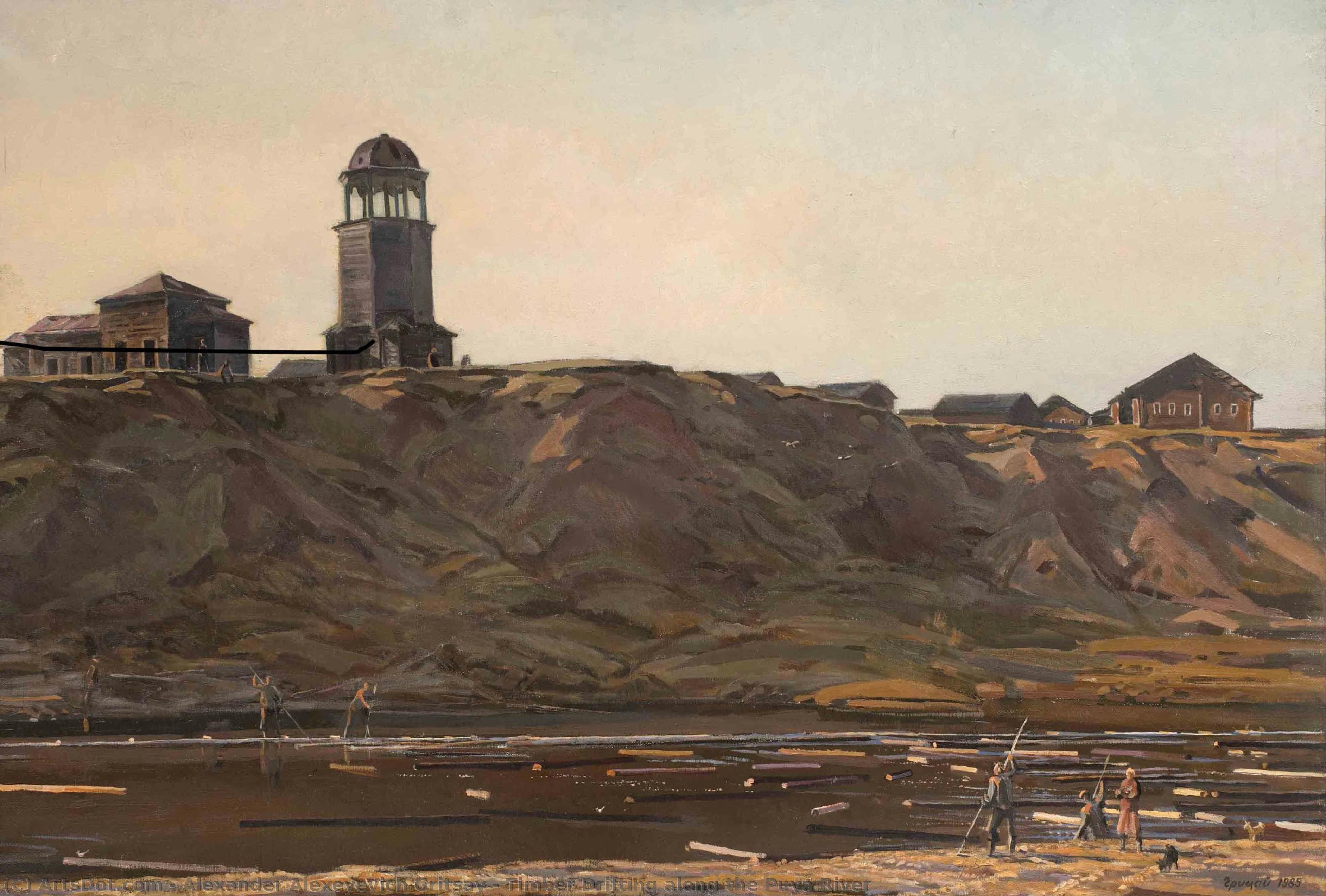
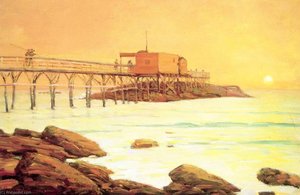
StatsTimber Drifting along the Puya River
 131.0 x 90.0 cm
 Read More
Giclée / Art Print
Museum-quality giclée or canvas print with fast production and flexible finish options. ( Buy Hand Made Painting Switch to Digital Image)




































Pick from our preset sizes that match the artwork's original proportions.

You may enter your own dimensions to fit a specific frame or space. If your selected size does not match the original image's proportions, we will either crop the artwork or extend the image with a mirrored or solid-fill edge. A digital mockup will be sent for your approval before production begins.
Please note that the on-screen preview does not reflect the actual cropping or extension. Only the mockup will accurately show the final composition.
While custom sizes are available, we recommend selecting a dimension from the predefined list to preserve the original proportions.
Worldwide Delivery () in 2 weeks instead of standard 4/5 weeks. (12 September)

Free Worldwide Express Shipping

High-Quality Linen Canvas

Full Shipping Insurance

Customs Tax Refund Guarantee

True Color Matching Guarantee

100-Day Return Policy (Defects Only)

100% Money-Back Guarantee

Bulk Discount Offer
 Glass option is only available in size under 110 CM

Timber Drifting along the Puya River
Giclée / Art Print
Reproduction Size
-


Total Price
$ 63
Related Artworks








Artist Biography
A Soulful Resonance: The Tragic Art of Alexander Gritsay
Born in Cherkasy, Ukraine, in 1950, Alexander Alexeyevich Gritsay’s life was tragically cut short at the age of 38. Yet, within those brief years, he etched a profound and deeply personal style onto the canvas—a style characterized by emotionally charged meditations, sober reflections, and an unwavering pursuit of truth tempered with mercy and understanding. His work isn't merely visual; it’s a visceral experience, inviting viewers into a world steeped in quiet contemplation and imbued with a palpable sense of longing. Gritsay’s artistic journey was fueled by a desire to capture the essence of human existence—the beauty intertwined with sorrow, the dignity found amidst hardship, and the enduring power of love as a guiding force.Early Life and Artistic Beginnings
Details surrounding Gritsay's early life remain somewhat sparse, contributing to the enigmatic quality that permeates his art. What is known suggests a formative period shaped by the complexities of post-Soviet Ukraine. While specific formal training isn’t widely documented, it’s clear that his artistic sensibility developed organically, absorbing influences from both traditional Russian painting and the burgeoning realist movements of the time. The muted color palettes and focus on everyday subjects—rural scenes, portraits of ordinary people—point to a deliberate rejection of grand narratives and an embrace of the quiet dignity of the commonplace. His work seems to be deeply rooted in his Ukrainian heritage, reflecting a sensitivity to the land, its people, and their enduring spirit.A Palette of Emotion: Style and Technique
Gritsay’s distinctive style is immediately recognizable through its masterful use of color and texture. He favored earthy tones—ochres, browns, grays, and muted greens—creating a sense of depth and atmosphere that draws the viewer into his scenes. His brushwork is often loose and expressive, conveying movement and emotion with subtle variations in tone and pressure. He employed an impressionistic realism, prioritizing capturing the *feeling* of a subject rather than photographic accuracy. This approach is particularly evident in works like “Egor,” where the depiction of rural labor—the quiet dignity of a farmer tending his land—is rendered with remarkable sensitivity and empathy. The painting’s muted palette and careful attention to light and shadow evoke a sense of timelessness, suggesting that this scene could be repeated endlessly across generations. Gritsay's technique wasn't about flashy displays of skill; it was about communicating profound emotional truths through the language of paint.Key Works and Recurring Themes
While his oeuvre is relatively small, Gritsay’s paintings possess a remarkable consistency in their thematic concerns. Recurring motifs include portraits of rural life—farmers, peasants, and simple villagers—often depicted engaged in everyday activities. These figures are not idealized; they are presented with an honest and unvarnished portrayal of human experience, reflecting the hardships and joys of peasant existence. Symbolism plays a subtle but significant role in his work. Landscapes frequently feature solitary trees or bodies of water, serving as metaphors for introspection, resilience, and the passage of time. The recurring presence of light—often diffused and melancholic—underscores the themes of hope and sorrow that permeate his art. “Egor” exemplifies this perfectly, capturing a moment of quiet contemplation amidst the rhythms of rural life.Legacy and Historical Significance
Alexander Gritsay’s tragically short career left behind a small but powerfully resonant body of work. His paintings are not merely decorative objects; they are windows into a soul—a testament to the enduring power of human emotion and the search for meaning in a complex world. Despite his untimely death, Gritsay's art continues to resonate with viewers who appreciate its quiet intensity and profound emotional depth. He stands as a poignant example of an artist whose brief life produced work of remarkable significance, reminding us that true artistic expression can transcend time and circumstance. His legacy lies not in fame or recognition, but in the enduring power of his paintings to evoke empathy, contemplation, and a deeper understanding of the human condition.
alexander alexeyevich gritsay
1950 - 1988 , Ukraine
Quick Facts
- Artistic Movement Or Style: Emotional paintings
- Date Of Birth: December 10, 1950
- Date Of Death: 1988
- Full Name: Alexander Alexeyevich Gritsay
- Nationality: Russian
- Notable Artworks: ['Egor']
- Place Of Birth: Cherkasy, Ukraine