 Preview
 Send
Send Share
Share
 Details

 Download
 Similars
 X-Ray
X-Ray Diaporama
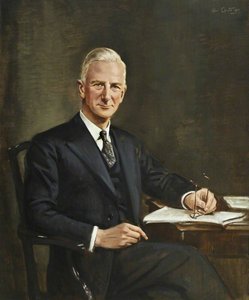
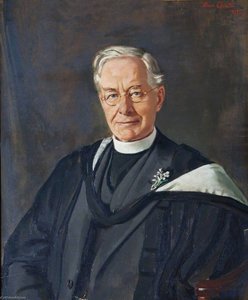
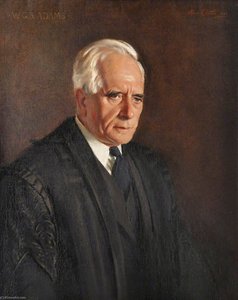
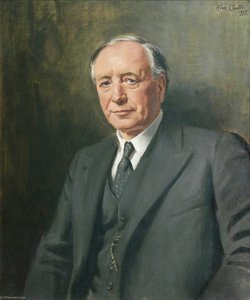
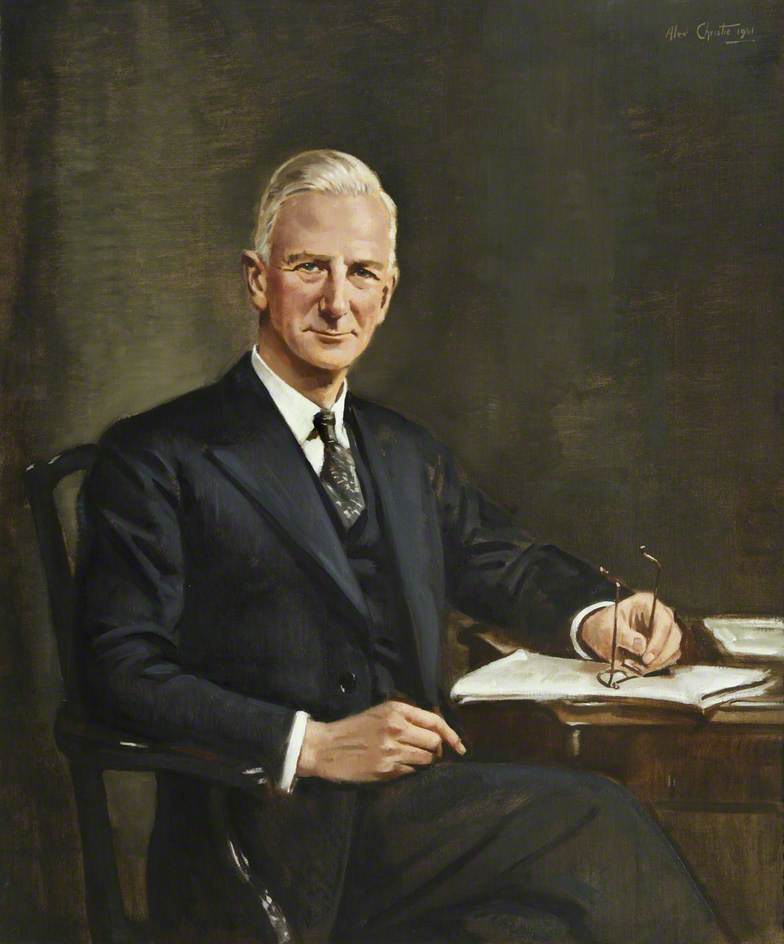
Edwin Stanley Hall (1881–1940), PRIBA
 1941
1941 102.0 x 87.0 cm
 Royal Institute of British Architects
 Read More
Giclée / Art Print
Museum-quality giclée or canvas print with fast production and flexible finish options. ( Buy Hand Made Painting Buy Image)




































Pick from our preset sizes that match the artwork's original proportions.

You may enter your own dimensions to fit a specific frame or space. If your selected size does not match the original image's proportions, we will either crop the artwork or extend the image with a mirrored or solid-fill edge. A digital mockup will be sent for your approval before production begins.
Please note that the on-screen preview does not reflect the actual cropping or extension. Only the mockup will accurately show the final composition.
While custom sizes are available, we recommend selecting a dimension from the predefined list to preserve the original proportions.
Worldwide Delivery () in 2 weeks instead of standard 4/5 weeks. (22 August)

Free Worldwide Express Shipping

High-Quality Linen Canvas

Full Shipping Insurance

Customs Tax Refund Guarantee

True Color Matching Guarantee

60-Day Return Policy (Defects Only)

100% Money-Back Guarantee

Bulk Discount Offer
 Glass option is only available in size under 110 CM

Edwin Stanley Hall (1881–1940), PRIBA
Giclée / Art Print
Reproduction Size
-


Total Price
$ 63
Related Artworks








Artist Biography
Alexander Christie: A Portraitist of Victorian Edinburgh
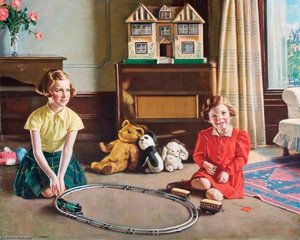
Alexander Christie (1901 – 1946) stands as a significant figure in Scottish art history, particularly renowned for his evocative depictions of Edinburgh life and aristocratic portraits during the Edwardian era. Born in Edinburgh to David Christie, a descendant of Hugh Christie—a prominent Scottish lawyer and statesman—Christie’s upbringing instilled within him an appreciation for intellectual pursuits alongside artistic ambition. Despite initial aspirations toward law, he ultimately abandoned legal studies to dedicate himself entirely to painting, guided by his father's encouragement and fueled by a lifelong fascination with visual storytelling. His formal training commenced in 1833 at the Trustees’ Academy in Edinburgh, under the tutelage of Sir William Allan—a pivotal influence who championed realism and established a celebrated artistic institution. Subsequent explorations in London and Paris broadened Christie’s stylistic repertoire, exposing him to Impressionist techniques while firmly grounding his work in Victorian sensibilities. Returning to Edinburgh, he secured a position as assistant at the Academy and later succeeded Thomas Duncan as Director of Ornamental Art, cementing his role as a leading voice within Scotland's artistic landscape. Christie’s membership in the Royal Scottish Academy (RSA) marked a crucial stage in his career, affording him consistent exposure to critical acclaim and showcasing his canvases alongside luminaries of the time. Though he only participated once in the RA exhibition in London—presenting “Wittemburg, 1526—Luther, the Married Priest”—his RSA affiliation solidified his reputation as a respected artist and contributed significantly to the dissemination of Scottish art internationally. His meticulous attention to detail and masterful use of color captured the essence of Edinburgh’s Victorian atmosphere, particularly evident in scenes portraying daily life and architectural grandeur. Among Christie's most celebrated works are “Marjory and Anne” (1943), a poignant portrayal of childhood innocence rendered with delicate brushstrokes and luminous hues—a stylistic homage to Edwardian portraiture—and “Huttleston Rogers Broughton (1st Lord Fairhaven)” (study). These paintings exemplify his commitment to capturing psychological depth alongside visual accuracy, reflecting the humanist ideals prevalent in Victorian art. Furthermore, Christie’s involvement in adapting architectural styles for modern needs demonstrated his intellectual curiosity and engagement with broader cultural dialogues. His legacy extends beyond individual artworks; he served as a lecturer at Edinburgh University, fostering artistic discourse and shaping the perceptions of younger generations. Notably, his contribution to the Abbotsford Edition of “The Bride of Lammermoor”—featuring illustrations designed by him—underscores his enduring influence on literary visual culture. Alexander Christie’s oeuvre remains a testament to Victorian Scotland's artistic spirit and continues to inspire admiration for its nuanced observation of human experience.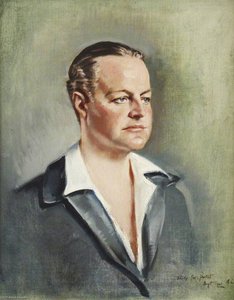
alexander christie
1901 - 1946
Quick Facts
- Artistic Movement Or Style: Victorian Art
- Artists Or Movements Influenced By This Artist: ['Edwardian Portraiture']
- Artists Who Influenced This Artist: ['Sir William Allan']
- Date Of Birth: 1901
- Date Of Death: 1946
- Full Name: Alexander Christie
- Nationality: Scottish
- Notable Artworks:
- Marjory and Anne
- Huttleston Rogers Broughton (study)
- Huttleston Rogers Broughton
- Place Of Birth: Edinburgh, Scotland