 Preview
 Send
Send Share
Share
 Details

 Download
 Similars
 X-Ray
X-Ray Diaporama
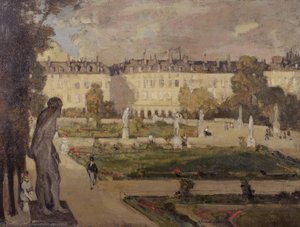
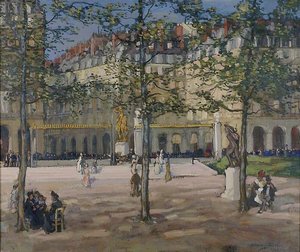
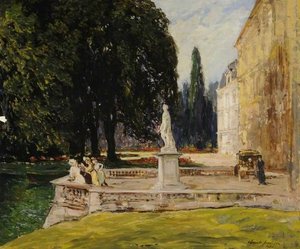
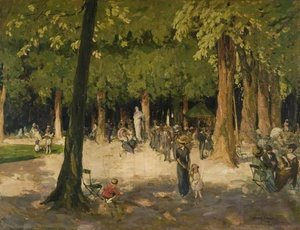
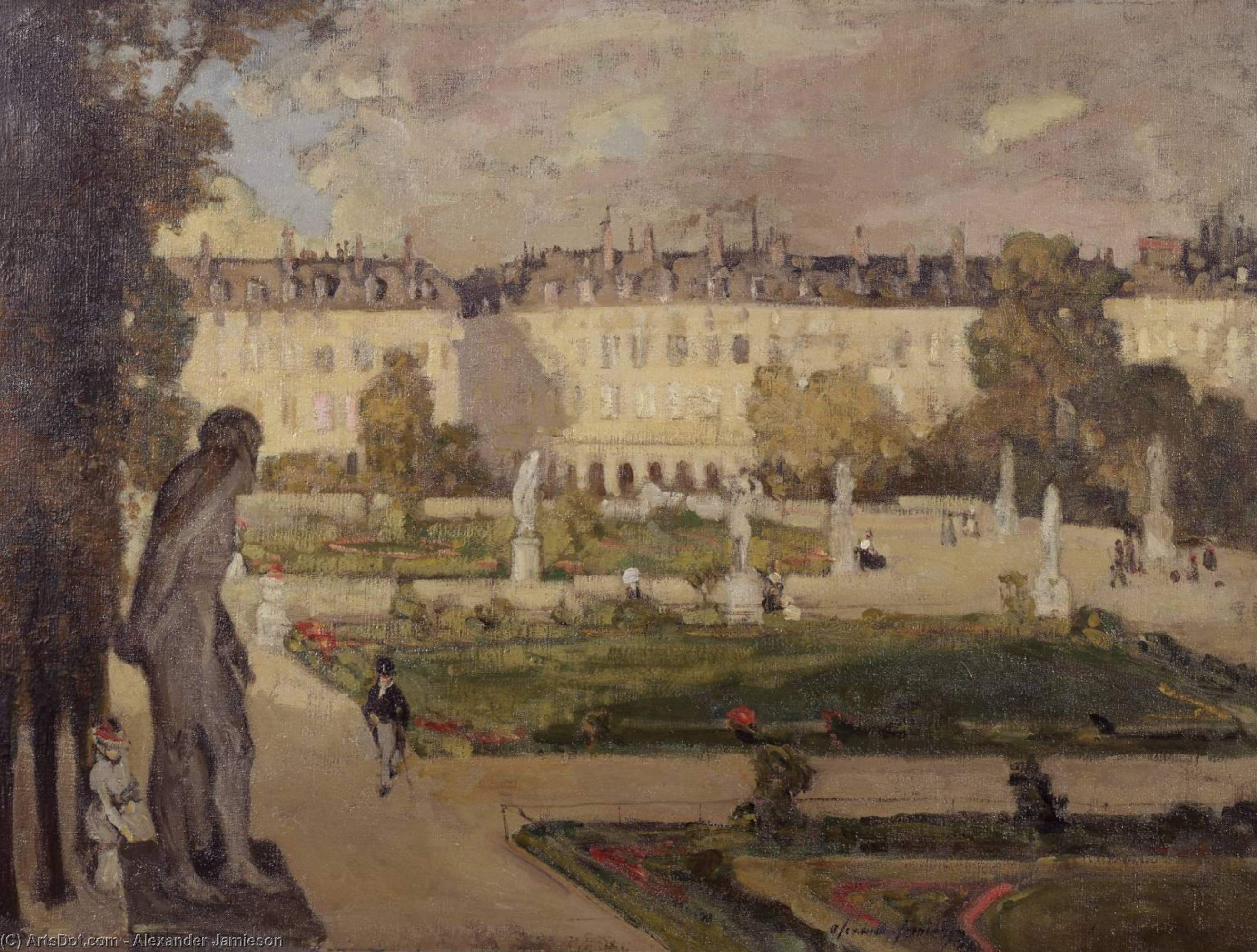
The Tuileries Gardens and the Rue de Rivoli


 Read More
Hand Made Oil Reproduction
Hand-painted oil on canvas in your size and frame, made to order by our artists. ( Buy Print Buy Image)




P118B $10

P118H $10

P118W $10

P438Z $10

P508JH $12

P508YH $12

P805H $10

P805Z $10

P919BZ $10

P919G $10

P919XJ $10

P959ZH $10

P968JZ $12

W106C $8

W218G $10

W218JH $8

W218Y $10

W307PJ $10

W316G $10

W316PJ $8

W316Y $10

W398PJ $8

W4111J $10

W500HY $15

W500JH $15

W692G $12

W849H $8

W940BG $15

W953PJ $8




Pick from our preset sizes that match the artwork's original proportions.

You may enter your own dimensions to fit a specific frame or space. If your selected size does not match the original image's proportions, we will either crop the artwork or extend the painting with additional hand-painted elements. A digital mockup will be sent for your approval before production begins.
Please note that the on-screen preview does not reflect the actual cropping or extension. Only the mockup will accurately show the final composition.
While custom sizes are available, we recommend selecting a dimension from the predefined list to preserve the original proportions.
After order, ArtsDot.com team will email client for instructions and provide a mockup preview
Worldwide Delivery () in 3/4 weeks instead of standard 5 weeks. (29 August). No compromise on quality.

Free Worldwide Express Shipping

High-Quality Linen Canvas

Full Shipping Insurance

Customs Tax Refund Guarantee

True Color Matching Guarantee

60-Day Return Policy (Defects Only)

100% Money-Back Guarantee

Bulk Discount Offer
 Glass option is only available in size under 110 CM

The Tuileries Gardens and the Rue de Rivoli
Reproduction Medium
Reproduction Size
-


Total Price
$ 263
A Parisian Dream Captured in Oil
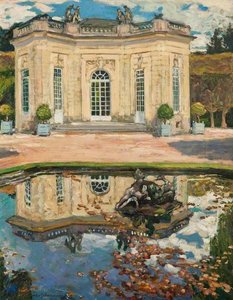
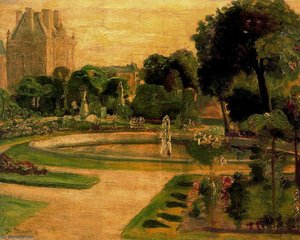
To gaze upon Alexander Jamieson's depiction of The Tuileries Gardens and the Rue de Rivoli is to be instantly transported across the Channel to the heart of turn-of-the-century Paris. This oil on canvas, painted in 1901, is far more than a mere topographical record; it is an immersion into a moment of cultivated Parisian serenity. Jamieson possesses a remarkable gift for capturing not just the visual splendor of monumental architecture and lush horticulture, but the very breath of life that moves through such grand public spaces. The composition unfolds like a gentle narrative, inviting the viewer to wander among the meticulously placed statues and follow the meandering paths suggested by the greenery.
The Artistry of Light and Leisure
Jamieson’s technique in this piece is a masterclass in rendering atmosphere. Working with oil on canvas allowed him to achieve a richness and depth of color that speaks volumes about the era's artistic sensibilities, while simultaneously echoing the Impressionistic concerns of light play. Notice how the sunlight seems to filter through the canopy, dappling the pathways and lending an almost ethereal glow to the scene. The inclusion of numerous figures—some in quiet contemplation, others engaged in leisurely strolls—grounds the painting in human experience. These scattered individuals are not merely filler; they imbue the garden with a palpable sense of ongoing life, suggesting that this peaceful moment is but one breath within the continuous rhythm of Parisian existence.
Historical Echoes and Enduring Beauty
The setting itself—the confluence of the grand Tuileries Gardens and the bustling Rue de Rivoli—places us at a pivotal juncture in Paris's history. While the energy of the early 20th century permeates the scene, Jamieson tempers any sense of chaos with an overarching feeling of tranquility. This balance is key; it speaks to the enduring appeal of structured beauty amidst urban dynamism. For the collector or designer, this piece offers a window into a romanticized vision of Parisian life—a place where classical artistry (represented by the statues) harmonizes perfectly with natural vitality.
Symbolism and Emotional Resonance
The garden, in art history, has always been a potent symbol. Here, the Tuileries Gardens represent cultivated civilization; they are nature tamed and ordered for human enjoyment. The interplay between the vibrant, living greenery and the permanence of the stone statues suggests a dialogue between the ephemeral—the passing people, the changing light—and the eternal ideals of art and beauty. Owning a reproduction of this work is to invite that very feeling into your own space: a sense of ordered calm, a sophisticated breath of fresh air, and the enduring romance of European culture.
Related Artworks


Artist Biography
A Legacy of Light and Atmosphere
Alexander Jamieson, born in the vibrant industrial heart of Glasgow in 1873, stands as a luminous figure within the Scottish watercolor movement of the late Victorian and early Edwardian eras. His artistic journey began amidst the rigorous academic environment of the Glasgow School of Art, where he first learned to translate the tangible world into the ethereal language of pigment and water. This formative period instilled in him a profound reverence for meticulous observation, a trait that would later allow him to capture the most fleeting of natural phenomena. Jamieson did not merely paint landscapes; he sought to capture the very breath of the atmosphere, turning the damp, shifting light of his native Scotland into enduring works of art.The Impressionist Pulse and Eastern Echoes
While his roots were firmly planted in Scottish soil, Jamieson’s artistic vision was profoundly international. He looked toward the continent, drawing deep inspiration from the Impressionist masters such as Claude Monet and Frédéric Bazille. From them, he adopted a fascination with the ephemeral—the way sunlight dances upon a frozen stream or how a sudden mist can soften the edges of a distant hill. This European sensibility was uniquely enriched by his appreciation for Japanese Ukiyo-e prints. The influence of these Eastern works is evident in his sophisticated use of asymmetrical compositions and bold, harmonious color palettes, which allowed him to break away from rigid traditionalism and embrace a more modern, fluid approach to the canvas.Mastering the Seasonal Shift
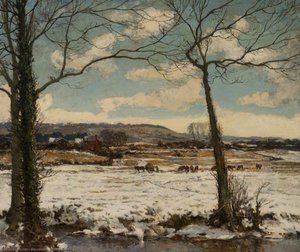
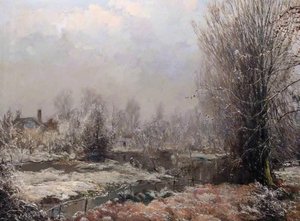
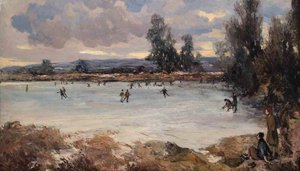
There is a particular magic found within Jamieson’s rendering of the winter season. He possessed a rare ability to depict the quiet, heavy stillness of snow-covered fields and the crystalline clarity of frozen waterways. Through delicate brushwork and luminous washes of color, he achieved a masterful rendering of tonal variations that made the cold seem almost palpable to the viewer. His technique in watercolor allowed for a transparency and light that mimicked the diffused glow of a winter sun, creating scenes that felt both intimately familiar and dreamlike. Whether capturing the stark beauty of a frost-bitten landscape or the soft textures of a snowdrift, his work remains a testament to his ability to find warmth and life within the coldest of settings.Urban Serenity and Coastal Drama
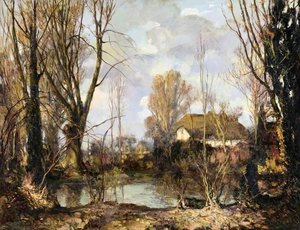
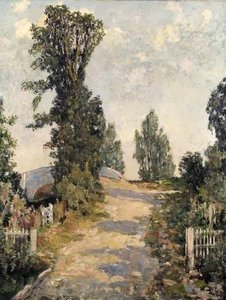
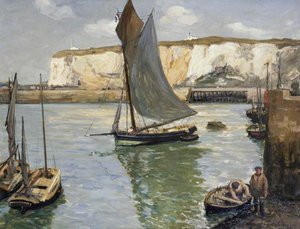
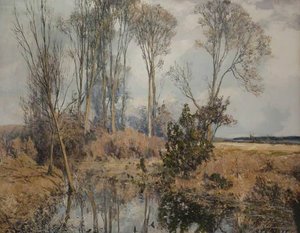
Beyond the quietude of the countryside, Jamieson’s repertoire extended into the grand, bustling stages of European urban life and the dramatic edges of the coastline. His oil paintings, such as the breathtaking Dieppe Cliffs, France, showcase a different facet of his talent, utilizing layered textures and vibrant hues to capture the raw power of the maritime landscape. Conversely, his depictions of Paris, most notably The Tuileries Gardens and the Rue de Rivoli, reveal a more refined, tranquil side of his artistry. In these works, he invites the viewer to wander through meticulously rendered gardens and sun-dappled pathways, imbuing the urban sprawl with a sense of cultivated peace. Through this diverse range of subject matter—from the serene A Lane in Marsworth to the lively streets of Paris—Jamieson secured his place as a true visionary of the landscape.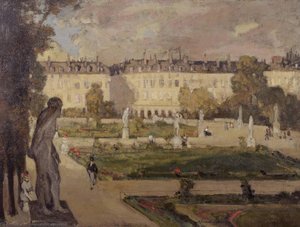
alexander jamieson
1873 - 1937 , United Kingdom
Quick Facts
- Artistic Movement Or Style: Impressionism
- Date Of Birth: Glasgow, United Kingdom (1873)
- Date Of Death: 1937
- Full Name: Alexander Jamieson
- Nationality: Scottish
- Notable Artworks:
- A Lane in Marsworth
- Dieppe Cliffs
- Place Of Birth: Glasgow
Related Articles
Cultivating Paradise: A Historical & Artistic Exploration of Gardens in Painting
Explore the rich history of gardens in painting! Discover masterpieces from Renaissance to Impressionism & beyond. Learn about symbolism, artists like Monet & Klimt, and find your perfect artwork at ArtsDot.

Impressionistic Landscapes: 10 Masterpieces That Changed Art & Decor
Journey into the heart of Impressionism! Explore 10 masterpieces by Monet, Renoir & Degas that revolutionized landscape art. Discover their stories, techniques & find museum-quality reproductions to elevate your home decor on ArtsDot.com.
Impressionist Landscapes: 10 Masterpieces for Your Home | ArtsDot
Journey through 10 iconic Impressionist landscapes by Monet, Renoir & Degas. Explore the history, techniques & emotions behind these masterpieces. Find museum-quality reproductions for your home at ArtsDot.com – where art comes to life! Discover all masterpieces on ArtsDot.com

Evocations of Place: A Historical Journey Through Landscape Art
Explore the rich history of landscape art with ArtsDot. Discover renowned artists, movements like Impressionism & Romanticism, and expert guidance for collecting timeless pieces. Find your perfect serene escape today!

Romantic Landscapes: 10 Masterpieces for Your Home | ArtsDot
Journey through 10 Romantic landscape masterpieces by Friedrich, Turner & Cole. Explore emotional art, sublime nature scenes & iconic 19th-century paintings. Find museum-quality reproductions for your home at ArtsDot.com – discover the full collection online!