 Preview
 Send
Send Share
Share
 Details

 Download
 Similars
 X-Ray
X-Ray Diaporama
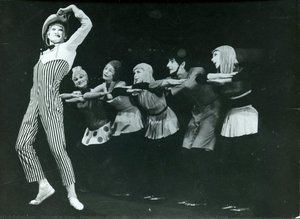
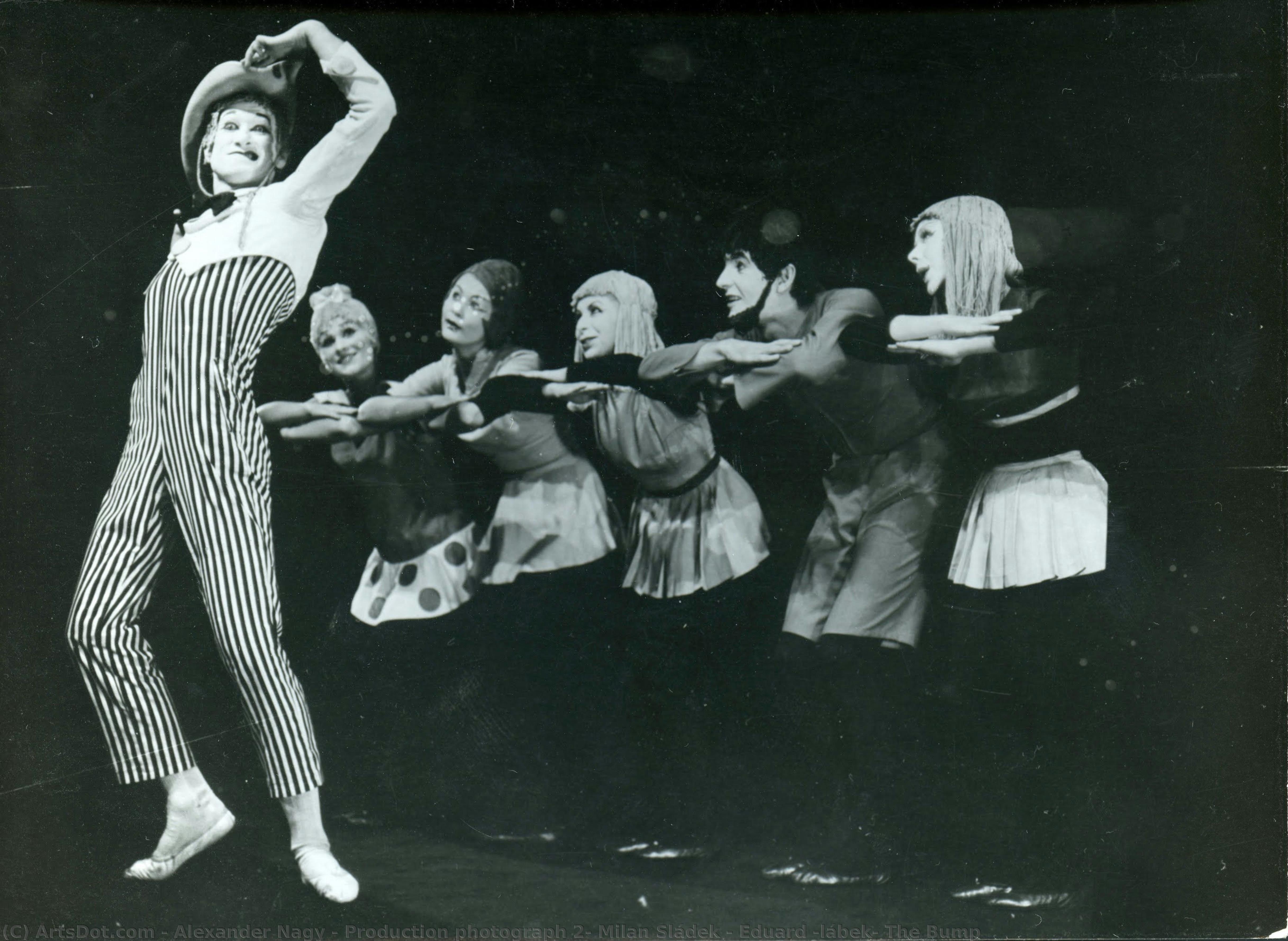
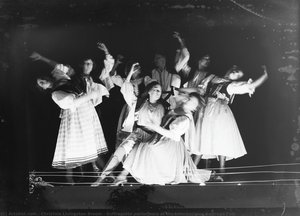
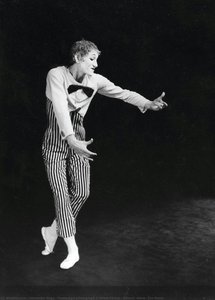
Production photograph 2, Milan Sládek – Eduard Žlábek: The Bump


 Read More
Giclée / Art Print
Museum-quality giclée or canvas print with fast production and flexible finish options. ( Buy Hand Made Painting Buy Image)




































Pick from our preset sizes that match the artwork's original proportions.

You may enter your own dimensions to fit a specific frame or space. If your selected size does not match the original image's proportions, we will either crop the artwork or extend the image with a mirrored or solid-fill edge. A digital mockup will be sent for your approval before production begins.
Please note that the on-screen preview does not reflect the actual cropping or extension. Only the mockup will accurately show the final composition.
While custom sizes are available, we recommend selecting a dimension from the predefined list to preserve the original proportions.
Worldwide Delivery () in 2 weeks instead of standard 4/5 weeks. (27 August)

Free Worldwide Express Shipping

High-Quality Linen Canvas

Full Shipping Insurance

Customs Tax Refund Guarantee

True Color Matching Guarantee

60-Day Return Policy (Defects Only)

100% Money-Back Guarantee

Bulk Discount Offer
 Glass option is only available in size under 110 CM

Production photograph 2, Milan Sládek – Eduard Žlábek: The Bump
Giclée / Art Print
Reproduction Size
-


Total Price
$ 63
Related Artworks








Artist Biography
The Fluidity of Motion: The Artistic Journey of Alexander Nagy
In the intersection of physical prowess and creative expression lies the evocative work of Alexander Nagy, an artist whose life story is as much a feat of athletic endurance as it is a testament to visual storytelling. Born on May 8, 1974, in Košice, Slovakia, Nagy’s early years were shaped by a dual passion for the rhythmic intensity of sport and the delicate nuances of fine art. While many artists find inspiration in still landscapes or classical mythology, Nagy draws his deepest musings from the high-stakes, liquid arena of water polo. His biography is not merely one of biographical milestones, but a narrative of how the discipline of an Olympic athlete can be transmuted into the textured layers of a canvas.
Nagy’s development as an artist was inextricably linked to his career as a professional sportsman. The rigorous training required for elite water polo—a sport defined by breathlessness, resistance, and sudden bursts of power—provided him with a unique psychological vantage point. He does not merely observe his subjects; he understands the physiological and emotional toll of competition from within. This intimate connection allows him to move beyond simple portraiture, seeking instead to capture the inner spirit of the athlete. His work serves as a bridge between the tangible sweat of the arena and the intangible essence of human determination.
Technique and the Language of Texture
To encounter a Nagy canvas is to witness a struggle with medium that mirrors the struggle of an athlete against the elements. Eschewing the sterile precision of traditional realism, Nagy employs a method characterized by the heavy layering of textures and colors. This technique creates a sense of depth that invites the viewer to look past the surface. His brushstrokes are often bold and unapologable, pulsating with a kinetic energy that mimics the churning waters of a polo match. Through this approach, he achieves several key artistic goals:
- Capturing Dynamism: Using vibrant palettes to evoke the sudden shifts in momentum during a game.
- Psychological Depth: Utilizing color temperature and texture to reveal the vulnerability and triumph hidden behind an athlete's mask.
- Fluidity of Form: Mirroring the physical properties of water through blended edges and sweeping, rhythmic movements.
The artist’s ability to translate the intangible qualities of sport—the tension in a muscle, the spray of a splash, the silent focus before a strike—into tangible visual representations has earned him significant respect within the contemporary art community. His work does not just depict a moment in time; it preserves the very feeling of movement itself.
A Legacy of Olympic Triumph and Artistic Vision
The historical significance of Alexander Nagy’s life is anchored by his remarkable achievement at the 2000 Summer Olympics in Sydney, Australia. As a vital member of the Slovak national water polo team, he contributed to a historic bronze medal victory. This moment of global athletic recognition provided a profound backdrop for his artistic evolution, cementing his reputation as an individual who could master both the physical and the cerebral. The discipline required to stand on an Olympic podium is reflected in the meticulous dedication found in his studio practice.
Ultimately, Nagy’s oeuvre stands as a powerful exploration of human resilience. His portraits of water polo players are more than mere tributes to sport; they are meditations on the beauty of grace under pressure. By focusing on themes of movement and fluidity, he has created a body of work that resonates far beyond the borders of Slovakia, offering a universal language of strength, struggle, and the enduring human spirit.
alexander nagy
1974 - , Slovakia
Quick Facts
- Artistic Movement Or Style: Water Polo
- Artists Or Movements Influenced By This Artist: ['']
- Artists Who Influenced This Artist: ['']
- Date Of Birth: 8 May 1974
- Full Name: Alexander Nagy
- Nationality: Slovak
- Notable Artworks: ['']
- Place Of Birth: Košice, Slovakia