

 Preview
 Send
Send Share
Share
 Details

 Download
 Similars
 X-Ray
X-Ray Diaporama
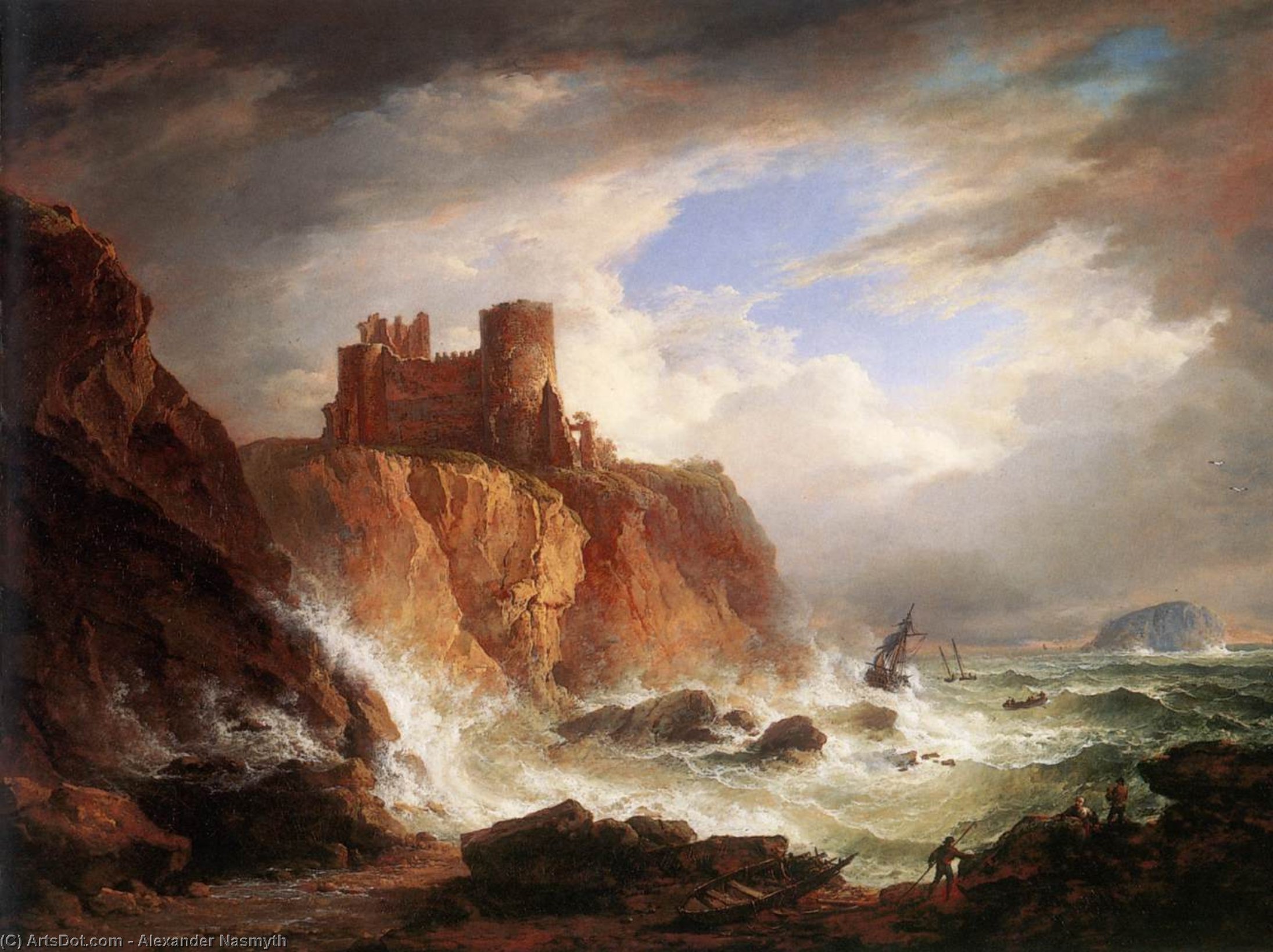
A View of Tantallon Castle
 Acrylic
- WallArt
- Romanticism
 1816
1816 92.0 x 122.0 cm
 National Gallery of Scotland
 Read More
Purchase a high-resolution, enhanced digital image, far superior to the online preview.
Each file is meticulously prepared by our in-house specialists using advanced tools and expert manual retouching. We ensure every image has exceptional clarity, precise color accuracy, and fine detail.
The final file is delivered via email within 72 hours, optimized for immediate use in professional, editorial, and print environments. This is the same quality trusted by top-tier design studios, publishers, and galleries.
Digital Image
Download a high-resolution file for personal display, printing, and creative projects. ( Buy Print Buy Hand Made Painting)
Included in Every Digital Image Order
Expert Digital Delivery, Guaranteed
When you choose ArtsDot.com, you're not just getting an image - you're receiving a professionally enhanced digital artwork, crafted with precision and backed by a satisfaction guarantee. Here's everything that comes with your order, automatically:

Fast Email Delivery
Your high-resolution digital image file will be emailed to you within 72 hours of ordering - ready for immediate use.

AI-Enhanced Digital File
Your artwork is professionally optimized using advanced AI tools and manual editing, ensuring maximum detail, clarity, and color accuracy.

Free Lifetime Re-Delivery
Accidentally deleted or lost your file? No worries - we'll resend it to you anytime, free of charge.

No Import Fees - Ever
Enjoy your artwork instantly with zero customs, duties, or delivery fees - digital downloads are always tax-free.

Color Accuracy Guarantee
We ensure your digital image reflects the original colors as closely as possible using professional tools and color management.

60-Day Satisfaction Guarantee
If you're not satisfied with your digital image, we'll revise it or refund 100% within 60 days - no questions asked.

100% Money-Back Guarantee
Not satisfied? Get a full refund within 60 days of receiving your digital file - no questions asked.

Bulk Order Discounts
Buy 3 images, save 10% - Buy 5, save 15% - Buy 10+, save 20%. Great for creative projects, galleries, and agencies.
Collectible Description
A Portrait of Romantic Scotland: Alexander Nasmyth’s “A View of Tantallon Castle”
Alexander Nasmyth's "A View of Tantallon Castle," completed around 1816, stands as a cornerstone of Scottish landscape painting and embodies the spirit of the Romantic era. More than just a depiction of a dramatic coastline, it’s an immersive experience rendered in oil on canvas that captures not only the physical beauty of Tantallon Castle perched precariously atop its cliffside but also the profound emotional resonance of Scotland's turbulent past.The Landscape as Narrative
Nasmyth wasn’t merely aiming for visual accuracy; he sought to convey a sense of grandeur and melancholy—characteristics central to Romantic artistic ideals. The castle itself, crumbling yet defiant against the relentless assault of wind and sea spray, symbolizes resilience amidst decay – a motif frequently explored in Romantic literature and art. Its jagged silhouette dominates the composition, mirroring the ruggedness of the Northumberland coastline and underlining the power of nature. Above, a brooding sky laden with clouds contributes to an atmosphere of unease and contemplation, reflecting the anxieties of a nation grappling with social upheaval and industrial progress. The artist meticulously observed the topography of Tantallon Castle and its surroundings, incorporating detailed geological formations and atmospheric perspective—techniques honed during Nasmyth’s extensive travels in Italy where he absorbed the influence of Claude Lorrain and Nicolas Poussin.Technique and Artistic Vision
Nasmyth's masterful brushwork is immediately apparent. Thick impasto – heavily textured paint – dominates the castle walls, conveying solidity and permanence despite their ruinous state. This textural richness contrasts sharply with the softer blending employed in depicting the turbulent sea below, creating a dynamic interplay of light and shadow that enhances the painting’s dramatic impact. The artist skillfully utilized atmospheric perspective—reducing detail and color intensity as objects recede into the distance—to establish depth and convey the vastness of the Northumberland landscape. This technique was particularly prevalent during Nasmyth's time, reflecting a growing fascination with scientific observation and its application to artistic representation.Historical Context: Scotland in Transition
Painted against the backdrop of Britain’s Industrial Revolution, “A View of Tantallon Castle” speaks to a broader cultural shift toward valuing untamed wilderness and celebrating the sublime—experiences that stirred the imagination and challenged Enlightenment rationalism. Nasmyth's work reflects the Romantic movement's preoccupation with emotion and intuition alongside reason, mirroring the artistic sensibilities of his contemporaries like William Wordsworth and Samuel Taylor Coleridge. The painting served as an emblem of Scotland’s heritage and its connection to the natural world—a sentiment that resonated deeply within a nation striving to define its identity amidst rapid modernization.Symbolism Beyond Beauty
Beyond its aesthetic appeal, “A View of Tantallon Castle” carries symbolic weight. The castle's ruined state serves as a reminder of Scotland’s medieval past – a time of kingship and conquest—while simultaneously hinting at the inevitable passage of time and the triumph of nature over human ambition. Nasmyth’s deliberate choice of subject matter underscores the Romantic belief in confronting mortality and embracing the sublime, prompting viewers to contemplate the enduring power of landscape to inspire awe and provoke reflection. It remains a testament to Nasmyth's artistic vision—a captivating portrayal of Scotland’s dramatic coastline and a poignant meditation on themes of resilience, decay, and beauty.Related Artworks
Artist Biography
Alexander Nasmyth: A Scottish Pioneer of Landscape Painting
- Born: Edinburgh, United Kingdom (1758)
- Died: 1840
Alexander Nasmyth was a pivotal figure in Scottish art history, renowned as both a portraitist and, more significantly, a landscape painter. He is often credited with being the "father of Scottish landscape painting," bridging the gap between traditional portraiture and the burgeoning Romantic movement's focus on natural scenery.
Early Life and Training
- Apprenticed to a coachbuilder before pursuing art.
- Studied at the Royal High School and Trustees’ Academy in Edinburgh.
- Worked as an assistant to Allan Ramsay, a prominent portrait painter, in London (1774-1778). This experience provided valuable technical training and exposure to contemporary artistic trends.
- Returned to Edinburgh in 1778 and established himself as a portraitist.
- Travelled to Italy (1782-1784) with financial support from Patrick Miller of Dalswinton, where he deepened his understanding of landscape painting by studying Italian masters and copying works, notably those by Claude Lorrain.
Artistic Development and Key Works
- Initially painted portraits in the style of Ramsay but gradually shifted towards conversation pieces with outdoor settings.
- His portrait of Robert Burns (1787) is a notable work from his early career, showcasing his skill in capturing character and likeness.
- Around 1792, Nasmyth abandoned portraiture entirely to focus on landscape painting, influenced by political events and shifting artistic preferences.
- Developed a distinctive style characterized by detailed observation of natural features and architectural elements. His landscapes are all depictions of actual places.
- He also designed scenery for theatres and painted panoramas, demonstrating his versatility as an artist.
- Notable works include: View of Edinburgh from the West (1822-6), A View Of Edinburgh From The Dean, Pass Of The Cows, Highlands, and various depictions of Scottish lochs and castles.
Engineering Interests and Innovations
- Nasmyth possessed a keen interest in engineering and proposed several innovative ideas, though he never patented them.
- He was involved in the improvement and beautification of estates for members of the Scottish nobility.
- Designed notable structures such as the circular temple covering St Bernard's Well (1789) and bridges at Almondell and Tongland.
- Participated in a historic trial of Patrick Miller’s steamship on Dalswinton Loch in 1788, demonstrating his forward-thinking perspective.
Legacy and Influence
- Established a drawing school in Edinburgh that profoundly influenced a generation of artists, including David Wilkie, David Roberts, Clarkson Stanfield, John Thomson of Duddingston, and even the young John James Ruskin (father of John Ruskin).
- His emphasis on drawing from nature directly had a lasting impact on artistic training.
- Six of his daughters also became notable artists, contributing to a family legacy in the arts.
- Nasmyth's work helped establish landscape painting as a respected genre in Scotland and paved the way for later generations of Scottish landscape artists.
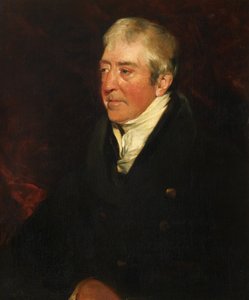
Alexander Nasmyth
1758 - 1840 , United Kingdom
Quick Facts
- Artistic Movement Or Style: Romanticism
- Artists Or Movements Influenced By This Artist:
- David Wilkie
- J.J. Ruskin
- Artists Who Influenced This Artist:
- Allan Ramsay
- Claude
- Date Of Birth: September 9, 1758
- Date Of Death: April 10, 1840
- Full Name: Alexander Nasmyth
- Nationality: Scottish
- Notable Artworks:
- Portrait of Robert Burns
- View Of Edinburgh From The Dean
- Landscape With A Bridge
- Pass Of The Cows, Highlands
- Place Of Birth: Edinburgh, United Kingdom

