

 Send
Send Share
Share
 Details

 Download
 Similars
 Diaporama
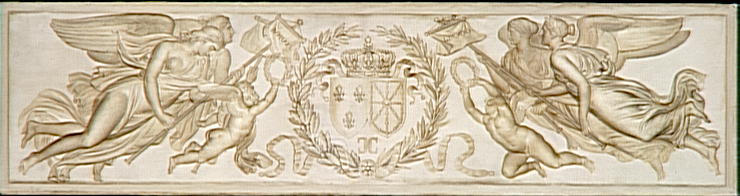
LES ARTS RENDENT HOMMAGE AU SOUVERAIN


 Read More
Purchase a high-resolution, enhanced digital image, far superior to the online preview.
Each file is meticulously prepared by our in-house specialists using advanced tools and expert manual retouching. We ensure every image has exceptional clarity, precise color accuracy, and fine detail.
The final file is delivered via email within 72 hours, optimized for immediate use in professional, editorial, and print environments. This is the same quality trusted by top-tier design studios, publishers, and galleries.
Digital Image
Download a high-resolution file for personal display, printing, and creative projects. ( Buy Print Buy Hand Made Painting)
Included in Every Digital Image Order
Expert Digital Delivery, Guaranteed
When you choose ArtsDot.com, you're not just getting an image - you're receiving a professionally enhanced digital artwork, crafted with precision and backed by a satisfaction guarantee. Here's everything that comes with your order, automatically:

Fast Email Delivery
Your high-resolution digital image file will be emailed to you within 72 hours of ordering - ready for immediate use.

AI-Enhanced Digital File
Your artwork is professionally optimized using advanced AI tools and manual editing, ensuring maximum detail, clarity, and color accuracy.

Free Lifetime Re-Delivery
Accidentally deleted or lost your file? No worries - we'll resend it to you anytime, free of charge.

No Import Fees - Ever
Enjoy your artwork instantly with zero customs, duties, or delivery fees - digital downloads are always tax-free.

Color Accuracy Guarantee
We ensure your digital image reflects the original colors as closely as possible using professional tools and color management.

60-Day Satisfaction Guarantee
If you're not satisfied with your digital image, we'll revise it or refund 100% within 60 days - no questions asked.

100% Money-Back Guarantee
Not satisfied? Get a full refund within 60 days of receiving your digital file - no questions asked.

Bulk Order Discounts
Buy 3 images, save 10% - Buy 5, save 15% - Buy 10+, save 20%. Great for creative projects, galleries, and agencies.
Collectible Description
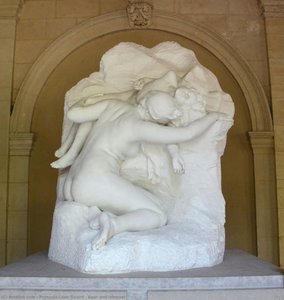
Les Arts Rendant Hommage Au Souverain – Alexandre Évariste Fragonard
Alexandre Évariste Fragonard (1780–1850) stands as a pivotal figure bridging the opulent Rococo era and the ascendant Neoclassical movement, cementing his legacy as one of France’s most prolific painters and sculptors. Born into the artistic milieu fostered by Jean-Honoré Fragonard and Marie-Anne Fragonard in Grasse, Alpes-Maritimes, he inherited not merely lineage but a foundational immersion in expressive art—a tradition that profoundly shaped his formative years and instilled within him an instinctive understanding of captivating subject matter and masterful execution. Yet, Fragonard’s artistic journey wouldn't be solely defined by replicating his father’s flamboyant style; rather, it would unfold as a deliberate negotiation between the fading grandeur of Rococo and the burgeoning ideals of Neoclassicism, ultimately forging a distinctive voice within the evolving panorama of 19th-century French art. His output—over 550 paintings alongside drawings and etchings—testifies to an unparalleled dedication to artistic exploration and a remarkable ability to capture fleeting moments of beauty and emotion.- Early Influences & Rococo Flair: Fragonard’s initial training under Chardin instilled in him a disciplined approach, tempered by the exuberant spirit characteristic of Jean-Honoré Fragonard's oeuvre. However, it was Jacques-Louis David who truly ignited his artistic passion, introducing him to the principles of classical composition and elevating his technical skill to new heights. This formative period established a bedrock of stylistic awareness that would permeate his subsequent works—particularly those produced during the reign of Louis XV, where he embraced the Rococo style’s penchant for delicate ornamentation and sensual indulgence.
- The Venetian Connection & Neoclassical Awakening: Fragonard's travels to Venice in 1760 proved transformative, exposing him to the monumental canvases of Giovanni Battista Tiepolo—a revelation that instilled within him a deep admiration for the grandeur and clarity of Venetian painting. Simultaneously, he absorbed the stylistic innovations championed by Rembrandt and Hals, mastering their loose brushstrokes and capturing the immediacy of human emotion with unparalleled sensitivity. This confluence of influences propelled him toward a gradual embrace of Neoclassicism, marked by an emphasis on order, symmetry, and idealized forms—a stylistic shift that reflected the broader cultural currents shaping France at the time.
- Notable Works & Artistic Legacy: Fragonard’s artistic output spanned genres ranging from mythological narratives to portraits of aristocratic figures, demonstrating his versatility as a painter and sculptor. Among his most celebrated achievements are “Francis I Armed as a Knight,” “Francis I Receiving Primaticcio” (a monumental ceiling fresco adorning the Louvre), and “Joan of Arc Climbing to the Stake”—each piece embodying Fragonard’s mastery of technique and conveying profound emotional resonance. His sculptural endeavors included the Old Pediment of the Chambre des Députés and a colossal statue of Pichegru—testaments to his artistic ambition and enduring influence on French sculpture.
- Technique & Artistic Vision: Fragonard's distinctive style was characterized by subtractive sculpting, where material is meticulously removed to reveal the desired form—a technique honed through years of experience and reflecting a profound understanding of sculptural principles. His paintings showcased an astonishing command of color and texture, utilizing pigments with exceptional vibrancy and blending them seamlessly to create luminous surfaces that captured the essence of his subjects.
- Symbolism & Emotional Impact: Fragonard’s artistic vision transcended mere aesthetic beauty; it sought to communicate complex ideas about human experience—particularly themes of love, desire, and heroism. His depictions frequently employed allegorical figures and symbolic imagery—such as laurel wreaths signifying victory and honor—to convey profound emotional depth and intellectual nuance.
Related Artworks

Artist Biography
A Legacy Bridging Eras: Alexandre-Évariste Fragonard
Born into the radiant world of Rococo artistry in Grasse, France, on October 26, 1780, Alexandre-Évariste Fragonard inherited a legacy that both propelled and subtly challenged his artistic path. As the son of the celebrated Jean-Honoré Fragonard and Marie-Anne Fragonard, he was immersed from infancy in an atmosphere of creative fervor, where brushstrokes danced with light and emotion. This familial connection wasn’t merely one of lineage; it was a foundational education, a direct transmission of technical skill and a sensibility for evocative subject matter that would shape his early development. However, Alexandre-Évariste wouldn't simply replicate his father’s style. His journey would be marked by a fascinating negotiation between the fading elegance of the Rococo and the rising tide of Neoclassicism, ultimately forging a distinctive voice within the evolving landscape of 19th-century French art. He passed away in Paris on November 10, 1850, leaving behind a body of work that offers valuable insights into an era defined by political upheaval and shifting aesthetic ideals.Formative Years and Artistic Education
Alexandre-Évariste’s initial artistic training was, unsurprisingly, guided by his father. Jean-Honoré Fragonard instilled in him a mastery of drawing and painting techniques, nurturing an innate talent for capturing form and expression. This early tutelage laid the groundwork for a fluid and graceful style that would remain characteristic throughout his career. Yet, recognizing the changing artistic climate, Jean-Honoré also encouraged his son to broaden his horizons. This led Alexandre-Évariste to study under Jacques-Louis David, the leading figure of Neoclassicism—a pivotal moment in his development. David’s influence introduced a new discipline and rigor to Fragonard's approach, emphasizing structured composition, precise draftsmanship, and a focus on historical accuracy. This exposure wasn’t about abandoning the Rococo entirely; rather, it was about synthesizing its inherent grace with the Neoclassical emphasis on order and clarity. The result was an artistic sensibility uniquely positioned between two worlds—a blend of emotional resonance and intellectual control.The Troubadour Style and Major Works
Alexandre-Évariste Fragonard found his niche within the *Troubadour* style, a popular movement in 19th-century France that romanticized historical and literary subjects. This genre allowed him to explore narratives rich with drama, emotion, and nationalistic fervor. His paintings are not merely depictions of past events; they are carefully constructed scenes designed to evoke a specific mood or convey a particular message. François Ier armé chevalier par Bayard, for example, vividly portrays the knighting of Francis I by Bayard, capturing a moment of chivalry and regal power. Vivant Denon Replacing El Cid's Remains in their Tombs is a particularly poignant work, exploring themes of mortality, grief, and the enduring legacy of heroes. Cardinal Mazarin at the Deathbed of Eustache Le Sueur offers another compelling glimpse into French history, illustrating a tender yet somber scene with masterful use of light and shadow. Beyond painting, Fragonard also excelled as a sculptor, notably creating the pediment for the Chambre des Députés (French Chamber of Deputies) and a colossal statue of General Pichegru—demonstrating his versatility and skill across different artistic mediums.Navigating a Turbulent Era
Fragonard’s career unfolded against a backdrop of immense political and social change in France, encompassing the French Revolution, the Napoleonic era, and the subsequent Restoration period. This turbulent context profoundly influenced his work. He received commissions from Napoleon Bonaparte himself, a testament to his growing reputation as an artist capable of capturing historical narratives with both grandeur and sensitivity. These commissions weren’t simply about artistic patronage; they were statements of power and national identity. The prevailing tastes of the time favored dramatic storytelling and themes that resonated with a sense of French pride—qualities that Fragonard skillfully incorporated into his paintings. He adeptly navigated the shifting political landscape, adapting his style to meet the demands of different patrons while maintaining his own artistic integrity. His ability to capture both the spectacle and the human cost of these historical events cemented his place as a significant chronicler of his time.A Lasting Impression
While Alexandre-Évariste Fragonard may not enjoy the same widespread recognition as his father, his contribution to 19th-century French art is undeniable. He successfully bridged the gap between the Rococo’s playful elegance and Neoclassicism’s formal rigor, creating a distinctive style that resonated with contemporary audiences and continues to captivate viewers today. His paintings and sculptures offer invaluable insights into the artistic preferences and historical consciousness of his era—a period marked by both upheaval and innovation. He wasn't merely an imitator of past styles; he was a synthesist, blending tradition with modernity to create works that are both visually stunning and intellectually stimulating. Fragonard’s legacy lies in his ability to tell compelling stories through art, capturing the drama, emotion, and complexity of a nation undergoing profound transformation.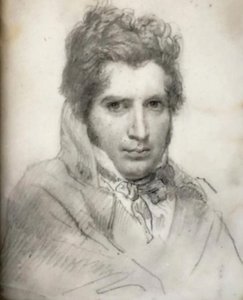
alexandre évariste fragonard
1780 - 1850 , France
Quick Facts
- Artistic Movement Or Style: Troubadour style
- Artists Who Influenced This Artist:
- Jean-Honoré Fragonard
- Jacques-Louis David
- Date Of Birth: October 26, 1780
- Date Of Death: November 10, 1850
- Full Name: Alexandre-Évariste Fragonard
- Nationality: French
- Notable Artworks:
- François Ier armé chevalier
- Vivant Denon Replacing El Cid
- Cardinal Mazarin at Deathbed
- Place Of Birth: Grasse, France

