

 Preview
 Send
Send Share
Share
 Details

 Download
 Similars
 X-Ray
X-Ray Diaporama
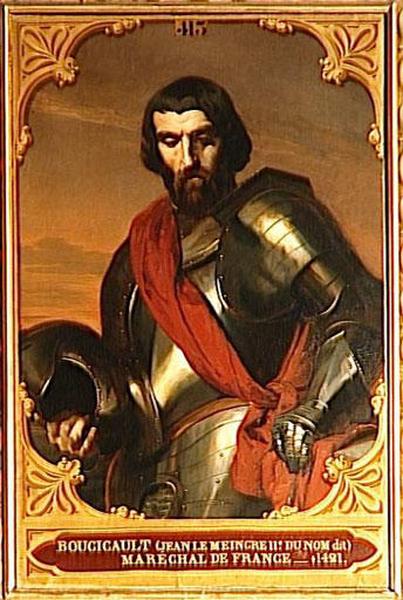
JEAN LE MEINGRE, DIT BOUCICAULT, MARECHAL DE FRANCE (1364 1421)
 Read More
Purchase a high-resolution, enhanced digital image, far superior to the online preview.
Each file is meticulously prepared by our in-house specialists using advanced tools and expert manual retouching. We ensure every image has exceptional clarity, precise color accuracy, and fine detail.
The final file is delivered via email within 72 hours, optimized for immediate use in professional, editorial, and print environments. This is the same quality trusted by top-tier design studios, publishers, and galleries.
Digital Image
Download a high-resolution file for personal display, printing, and creative projects. ( Buy Print Buy Hand Made Painting)
Included in Every Digital Image Order
Expert Digital Delivery, Guaranteed
When you choose ArtsDot.com, you're not just getting an image - you're receiving a professionally enhanced digital artwork, crafted with precision and backed by a satisfaction guarantee. Here's everything that comes with your order, automatically:

Fast Email Delivery
Your high-resolution digital image file will be emailed to you within 72 hours of ordering - ready for immediate use.

AI-Enhanced Digital File
Your artwork is professionally optimized using advanced AI tools and manual editing, ensuring maximum detail, clarity, and color accuracy.

Free Lifetime Re-Delivery
Accidentally deleted or lost your file? No worries - we'll resend it to you anytime, free of charge.

No Import Fees - Ever
Enjoy your artwork instantly with zero customs, duties, or delivery fees - digital downloads are always tax-free.

Color Accuracy Guarantee
We ensure your digital image reflects the original colors as closely as possible using professional tools and color management.

60-Day Satisfaction Guarantee
If you're not satisfied with your digital image, we'll revise it or refund 100% within 60 days - no questions asked.

100% Money-Back Guarantee
Not satisfied? Get a full refund within 60 days of receiving your digital file - no questions asked.

Bulk Order Discounts
Buy 3 images, save 10% - Buy 5, save 15% - Buy 10+, save 20%. Great for creative projects, galleries, and agencies.
Related Artworks



Artist Biography
A Chronicler of Courts: The Life and Art of Alexandre Laemlein
Alexandre Laemlein, born in 1813 and passing in 1871, occupies a fascinating, if often overlooked, niche within the pantheon of 19th-century French painting. He wasn’t a revolutionary like Delacroix or Courbet, nor did he strive for the atmospheric effects of the Barbizon school. Instead, Laemlein dedicated his considerable talent to meticulously recreating scenes from the opulent world of the French aristocracy – specifically, the era preceding and during the Revolution. His work is not born of direct experience; rather, it’s a carefully constructed homage, a visual archaeology of a vanished age fueled by rigorous research and a remarkable technical skill. He stands as a testament to the enduring power of historical fascination and the desire to preserve, through art, the memory of a bygone era.Early Life and Artistic Formation
Details surrounding Laemlein’s early life remain somewhat scarce. What is known suggests he received a traditional academic training, likely at the École des Beaux-Arts in Paris – though concrete records are elusive. This foundation instilled within him a mastery of draftsmanship and an understanding of classical composition, elements that would become hallmarks of his style. However, it was not the contemporary world that captured Laemlein’s imagination. He turned instead to the past, specifically the reigns of Louis XV and Louis XVI. This predilection wasn't merely aesthetic; it reflected a broader Romantic interest in history as a source of national identity and moral lessons. The July Revolution of 1830 likely played a role, fostering a sense of nostalgia for the pre-revolutionary order among certain segments of French society. Laemlein’s art catered to this sentiment, offering meticulously rendered glimpses into a world perceived as possessing grace, elegance, and stability – qualities increasingly absent in the rapidly changing France of his time.The Art of Reconstruction: Style and Technique
Laemlein's paintings are characterized by their painstaking attention to detail. He wasn’t interested in grand narratives or dramatic gestures; instead, he focused on recreating the *atmosphere* of court life – the textures of silks and velvets, the gleam of polished furniture, the intricate details of hairstyles and jewelry. His compositions often feature intimate scenes: ladies-in-waiting gossiping, courtiers engaged in polite conversation, musicians performing in lavish salons. He was a master of light and shadow, using it to create a sense of depth and realism. His work is not about invention; it’s about reconstruction. He meticulously researched period costumes, furniture styles, and architectural details, consulting historical documents and engravings to ensure accuracy. This dedication to verisimilitude sets him apart from many of his contemporaries who employed looser interpretations of history. He aimed to transport the viewer back in time, offering a window into the daily lives of those who inhabited these grand spaces.Themes and Influences
The dominant theme throughout Laemlein’s oeuvre is undoubtedly the French court. He depicted scenes from Versailles, Fontainebleau, and other royal residences, focusing on the social rituals and personal dramas that unfolded within their walls. While he painted portraits of specific historical figures – Marie Antoinette being a frequent subject – his work often features anonymous sitters, allowing him to explore broader themes of class, gender, and power. His influences are diverse. He clearly drew inspiration from 18th-century artists like Watteau and Boucher, admiring their elegance and refinement. However, he also studied the works of earlier masters such as Rembrandt and Caravaggio, adopting their techniques for creating dramatic lighting effects.- The influence of historical documentation is paramount.
- A fascination with Rococo aesthetics is evident in his color palettes and compositions.
- He demonstrates a keen understanding of portraiture traditions.
Legacy and Historical Significance
Alexandre Laemlein’s work, while not widely celebrated during his lifetime, has experienced a resurgence of interest in recent years. He is now recognized as an important chronicler of French court life, offering valuable insights into the material culture and social customs of the 18th century. His paintings are prized for their meticulous detail, technical skill, and evocative atmosphere. He doesn’t offer a critical commentary on history; rather, he presents a romanticized vision of the past. This is not necessarily a flaw – his work serves as a powerful reminder of the enduring appeal of nostalgia and the desire to preserve cultural heritage. In an age increasingly dominated by rapid change, Laemlein's paintings provide a glimpse into a world that has vanished, inviting us to reflect on the complexities of history and the power of art to shape our understanding of the past. His dedication to recreating this lost world ensures his place as a significant, if often understated, figure in 19th-century French painting.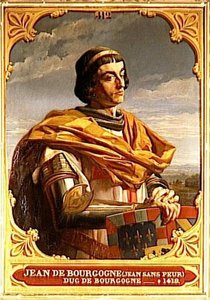
alexandre laemlein
1813 - 1871
Quick Facts
- Artistic Movement Or Style: Romanticism
- Artists Or Movements Influenced By This Artist: ['Eugène Delacroix']
- Artists Who Influenced This Artist: ['Jean-Auguste Dominique Ingres']
- Date Of Birth: 1813
- Date Of Death: 1871
- Full Name: Alexandre Laemlein
- Nationality: French
- Notable Artworks: ['Portrait of Madame Louise de Bourbon']
- Place Of Birth: Paris, France

