

 Preview
 Send
Send Share
Share
 Details

 Download
 Similars
 X-Ray
X-Ray Diaporama
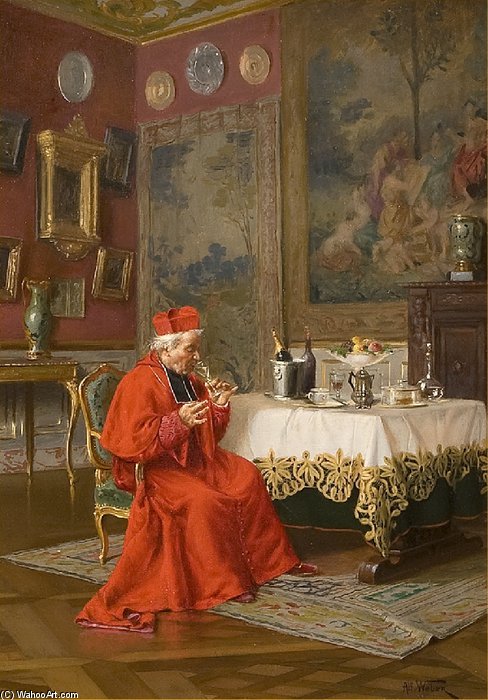
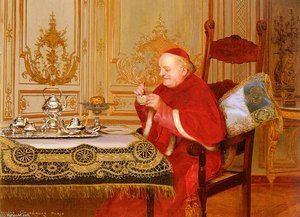
Cardinals Drinking Champagne

 Read More
Purchase a high-resolution, enhanced digital image, far superior to the online preview.
Each file is meticulously prepared by our in-house specialists using advanced tools and expert manual retouching. We ensure every image has exceptional clarity, precise color accuracy, and fine detail.
The final file is delivered via email within 72 hours, optimized for immediate use in professional, editorial, and print environments. This is the same quality trusted by top-tier design studios, publishers, and galleries.
Digital Image
Download a high-resolution file for personal display, printing, and creative projects. ( Buy Print Buy Hand Made Painting)
Included in Every Digital Image Order
Expert Digital Delivery, Guaranteed
When you choose ArtsDot.com, you're not just getting an image - you're receiving a professionally enhanced digital artwork, crafted with precision and backed by a satisfaction guarantee. Here's everything that comes with your order, automatically:

Fast Email Delivery
Your high-resolution digital image file will be emailed to you within 72 hours of ordering - ready for immediate use.

AI-Enhanced Digital File
Your artwork is professionally optimized using advanced AI tools and manual editing, ensuring maximum detail, clarity, and color accuracy.

Free Lifetime Re-Delivery
Accidentally deleted or lost your file? No worries - we'll resend it to you anytime, free of charge.

No Import Fees - Ever
Enjoy your artwork instantly with zero customs, duties, or delivery fees - digital downloads are always tax-free.

Color Accuracy Guarantee
We ensure your digital image reflects the original colors as closely as possible using professional tools and color management.

60-Day Satisfaction Guarantee
If you're not satisfied with your digital image, we'll revise it or refund 100% within 60 days - no questions asked.

100% Money-Back Guarantee
Not satisfied? Get a full refund within 60 days of receiving your digital file - no questions asked.

Bulk Order Discounts
Buy 3 images, save 10% - Buy 5, save 15% - Buy 10+, save 20%. Great for creative projects, galleries, and agencies.
Related Artworks
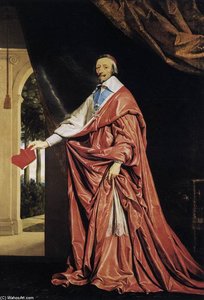
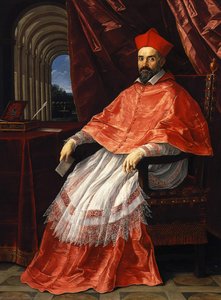
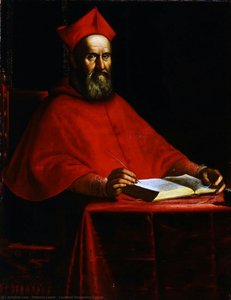
Artist Biography
Gustav Klimt: A Rebel of Form and Emotion
Born in Vienna in 1862, Gustav Klimt emerged as a pivotal figure in the late 19th-century art world, a time of rapid change and burgeoning artistic experimentation. His life was marked by both personal tragedy and professional triumph, ultimately shaping an oeuvre characterized by opulent decoration, symbolic depth, and a profound exploration of human emotion – particularly love, desire, and mortality. Klimt’s journey wasn't one of straightforward progression; it involved a deliberate rejection of academic constraints, a passionate embrace of symbolism, and a relentless pursuit of his own unique visual language.
Klimt’s early artistic training was decidedly traditional. He enrolled at the Vienna School of Arts and Crafts in 1879, initially intending to become a drawing teacher – a pragmatic ambition reflecting the social realities of the time for aspiring artists. However, his talent quickly garnered attention, securing commissions for murals and decorative panels. This period saw him working within the confines of the “Company of Artists,” a conservative group that adhered to historical styles favored by Vienna’s elite. These early works, including those adorning the Vienna Burgtheater and the Kunsthistorisches Museum, demonstrated technical proficiency but lacked the individualistic spirit that would soon define his mature style. The death of his brother Ernst in 1891 proved a watershed moment, triggering a profound shift in Klimt's artistic direction.
The Secession and the Dawn of a New Style
Following Ernst’s untimely demise, Klimt experienced a dramatic transformation. He spearheaded the formation of the Vienna Secession in 1897 – a radical movement that challenged the established art establishment. The Secession aimed to create an independent artistic space, rejecting the rigid rules and conservative tastes of the traditional Viennese Salon. This act of rebellion was visually manifested in Klimt’s iconic “Meeting of Man and Woman” (1894-1898), a shimmering tapestry of gold leaf, geometric patterns, and stylized figures that signaled a decisive break from academic realism. The Secession's manifesto declared a new era of art, one driven by aesthetic expression rather than historical imitation.
Klimt’s style during this period is instantly recognizable: rich, layered surfaces adorned with gold leaf, intricate patterns inspired by Byzantine mosaics and Japanese prints, and a deliberate flattening of perspective. He employed a distinctive palette – often dominated by golds, browns, and deep reds – to create an atmosphere of sensual intensity. His figures are frequently rendered in simplified forms, their faces obscured or stylized, emphasizing the emotional core of his subjects rather than precise anatomical detail. This approach was heavily influenced by his close friendship with Emilie Flöge, who became a lifelong muse and source of inspiration.
Key Works and Recurring Themes
Klimt’s most celebrated works—*The Kiss*, *Portrait of Adele Bloch-Bauer*, and *Judith I*—are testaments to his artistic vision. *The Kiss* (1907-1908), arguably his most famous painting, depicts a couple locked in an embrace, enveloped in a shimmering golden aura. The work is not merely a representation of romantic love but a symbolic meditation on the union of opposites – masculine and feminine, earthly and divine. Similarly, *Portrait of Adele Bloch-Bauer* (1907) showcases Klimt’s mastery of decorative patterning and his ability to imbue a portrait with psychological depth. The painting's intricate surface reflects Adele’s wealth and status while simultaneously hinting at her hidden desires and vulnerabilities.
Recurring themes in Klimt’s oeuvre include sexuality, death, spirituality, and the duality of human experience. He frequently explored the tension between beauty and decay, life and death, using symbolic imagery to convey complex emotional states. His work reflects a fascination with mythology, folklore, and ancient cultures, drawing inspiration from sources as diverse as Byzantine art, Japanese prints, and medieval tapestries.
Legacy and Historical Significance
Gustav Klimt’s impact on the course of modern art is undeniable. He paved the way for Expressionism and other avant-garde movements by prioritizing emotional expression over objective representation. His innovative use of color, pattern, and symbolism challenged traditional artistic conventions and opened up new possibilities for visual communication. Despite facing criticism during his lifetime—particularly for his depictions of female sexuality—Klimt’s work has since been recognized as a cornerstone of the Vienna Secession and a significant contribution to the development of 20th-century art. His paintings continue to captivate audiences with their opulent beauty, symbolic depth, and profound exploration of the human condition. Klimt died in 1918, during the final months of World War I, leaving behind a legacy that endures as one of artistic brilliance and revolutionary spirit.
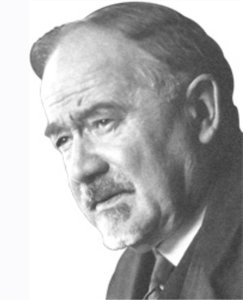
alfred charles weber
1862 - 1922 , France
Quick Facts
- Artistic Movement Or Style: Portrait, cityscape
- Date Of Birth: 1862
- Date Of Death: 1891
- Full Name: Robert S German
- Nationality: German
- Notable Artworks: ['At Binsey, near Oxford']
- Place Of Birth: Berlin, Germany

