

 Preview
 Send
Send Share
Share
 Details

 Download
 Similars
 X-Ray
X-Ray Diaporama
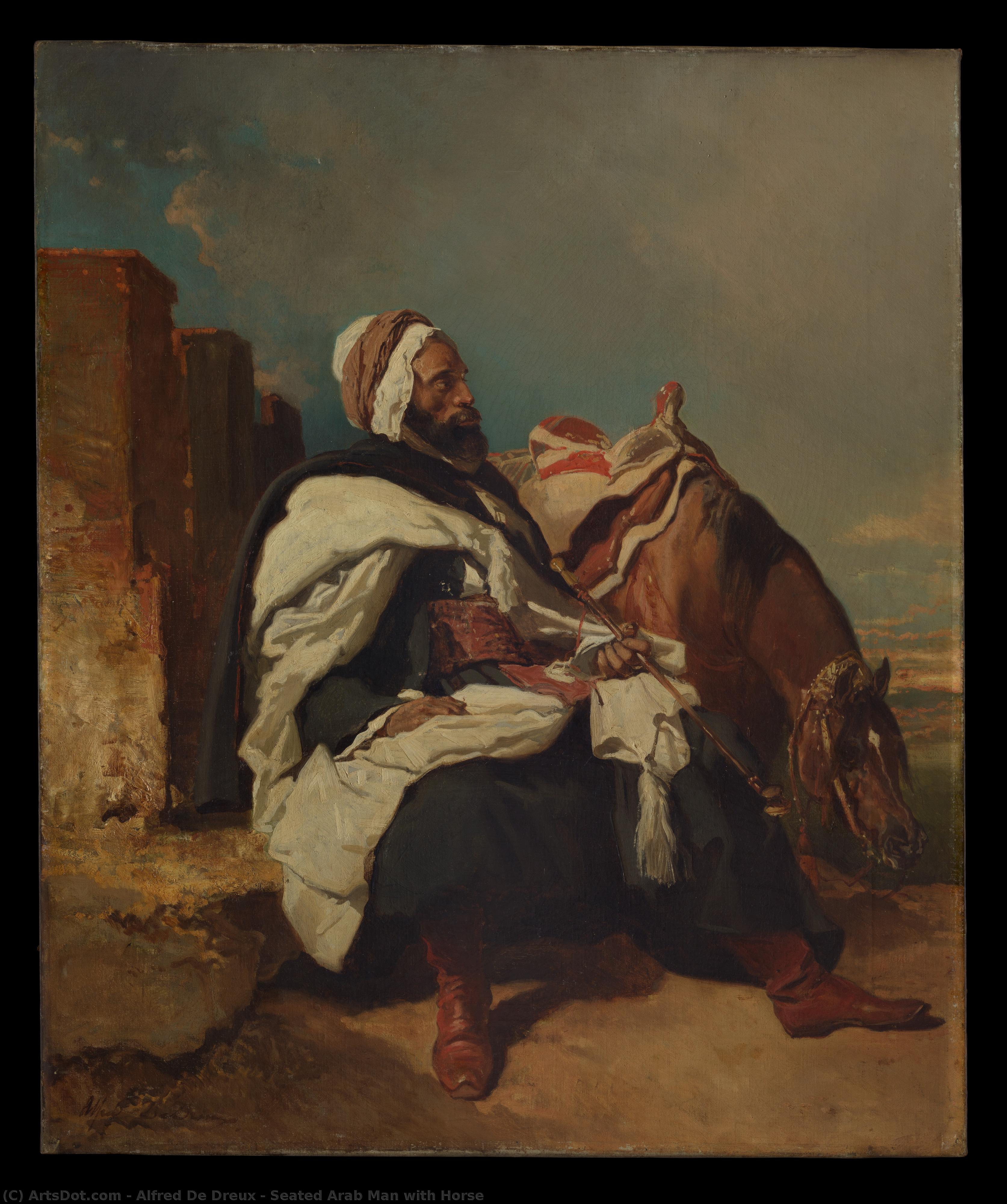
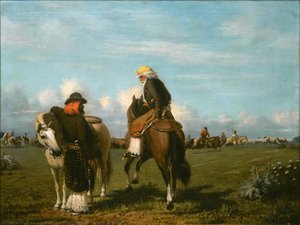
Seated Arab Man with Horse
 1850
1850 65.0 x 54.0 cm
 Read More
Purchase a high-resolution, enhanced digital image, far superior to the online preview.
Each file is meticulously prepared by our in-house specialists using advanced tools and expert manual retouching. We ensure every image has exceptional clarity, precise color accuracy, and fine detail.
The final file is delivered via email within 72 hours, optimized for immediate use in professional, editorial, and print environments. This is the same quality trusted by top-tier design studios, publishers, and galleries.
Digital Image
Download a high-resolution file for personal display, printing, and creative projects. ( Buy Print Buy Hand Made Painting)
Included in Every Digital Image Order
Expert Digital Delivery, Guaranteed
When you choose ArtsDot.com, you're not just getting an image - you're receiving a professionally enhanced digital artwork, crafted with precision and backed by a satisfaction guarantee. Here's everything that comes with your order, automatically:

Fast Email Delivery
Your high-resolution digital image file will be emailed to you within 72 hours of ordering - ready for immediate use.

AI-Enhanced Digital File
Your artwork is professionally optimized using advanced AI tools and manual editing, ensuring maximum detail, clarity, and color accuracy.

Free Lifetime Re-Delivery
Accidentally deleted or lost your file? No worries - we'll resend it to you anytime, free of charge.

No Import Fees - Ever
Enjoy your artwork instantly with zero customs, duties, or delivery fees - digital downloads are always tax-free.

Color Accuracy Guarantee
We ensure your digital image reflects the original colors as closely as possible using professional tools and color management.

60-Day Satisfaction Guarantee
If you're not satisfied with your digital image, we'll revise it or refund 100% within 60 days - no questions asked.

100% Money-Back Guarantee
Not satisfied? Get a full refund within 60 days of receiving your digital file - no questions asked.

Bulk Order Discounts
Buy 3 images, save 10% - Buy 5, save 15% - Buy 10+, save 20%. Great for creative projects, galleries, and agencies.
Collectible Description
Related Artworks






Artist Biography
The Spirit of the Equestrian Romantic
Alfred de Dreux, born Pierre-Alfred Dedreux, was far more than a mere chronicler of horses; he was the poet of the nineteenth-century saddle. Emerging from the vibrant heart of Paris in 1810, his life and art were inextricably linked to the grace, power, and nobility of the equine form. To gaze upon a de Dreux canvas is to step into an era of Romanticism, where emotional intensity meets a profound fascination with the natural world. His work does not simply depict animals; it captures a palpable sense of movement and a certain aristocratic grandeur that defined the French social landscape of his time.His mastery lay in his ability to blend impressionistic realism with the dramatic flair of his era. Whether capturing the quiet dignity of a portrait or the thundering energy of a hunt, de Dreux possessed an uncanny knack for rendering textures—the sheen of a horse's coat, the heavy drape of velvet, and the misty atmosphere of a forest at dawn. His paintings serve as windows into a lost world of elegance, where the bond between human and beast was celebrated with unparalleled sensitivity.
Artistic Lineage and Formative Years
The foundations of de Dreux’s brilliance were laid within the prestigious studios of his contemporaries, surrounded by an environment steeped in artistic excellence. Growing up in a family of distinction—his father was the esteemed architect Pierre-Anne Dedreux—he was uniquely positioned to absorb the nuances of fine art from a young age. Most significantly, he found mentorship under the legendary Théodore Géricault, a close family friend whose influence breathed life into de Dreux’s early works. From Géricault, he inherited a Romantic ethos characterized by dramatic lighting and an expressive, almost visceral, approach to subject matter.This training was further refined at the studio of Léon Cogniet, where he mastered the art of realistic observation. This dual education allowed him to navigate the delicate balance between different artistic demands, specifically:
- The raw, dynamic energy found in his celebrated equestrian scenes
- The meticulous, polished precision required for high-society portraiture
A Legacy of Elegance and Influence
De Dreux’s ascent in the Parisian art world was meteoric, marked by his frequent and successful appearances at the Paris Salon. Since his debut in 1831, he had been a fixture of the prestigious exhibitions, earning him the reputation as one of the premier horse painters of the Romantic era. His subjects were often the very elite of French society, ranging from the Duc d’Orléans to members of the English aristocracy. Through his brush, the leisure activities of the upper class—hunting expeditions and equestrian displays—were elevated to the level of high art.Though his life ended prematurely in 1860, the impact of Alfred de Dreux remains etched into the fabric of visual culture. His influence transcends the boundaries of traditional oil painting, reaching even into the modern realm of luxury branding. It is widely noted that his evocative depictions of equestrian elegance served as a profound inspiration for the iconic Hermès logo, bridging the gap between nineteenth-century Romanticism and contemporary prestige. Today, de Dreux stands as a master of movement and light, ensuring that his canvases continue to captivate collectors and art enthusiasts alike.
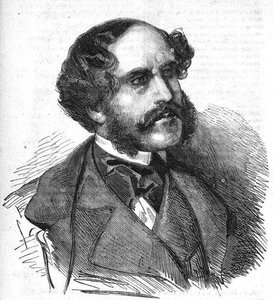
Alfred de Dreux
1810 - 1860 , France
Quick Facts
- Artistic Movement Or Style: Romanticism
- Artists Or Movements Influenced By This Artist: ['Hermès']
- Artists Who Influenced This Artist: ['Théodore Gericault']
- Date Of Birth: March 23, 1810
- Date Of Death: March 5, 1860
- Full Name: Pierre-Alfred Dedreux
- Nationality: French
- Notable Artworks:
- Interior del Salon
- Duc d'Orléans Equestrian Portrait
- Place Of Birth: Paris, France

