 Preview
 Send
Send Share
Share
 Details

 Download
 Similars
 X-Ray
X-Ray Diaporama
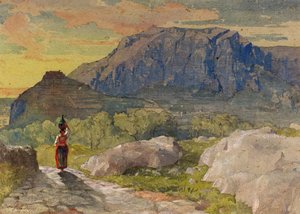
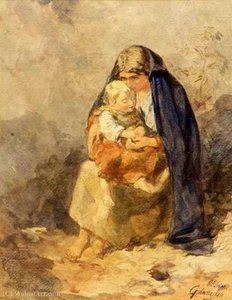
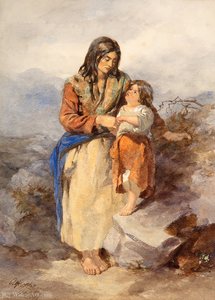
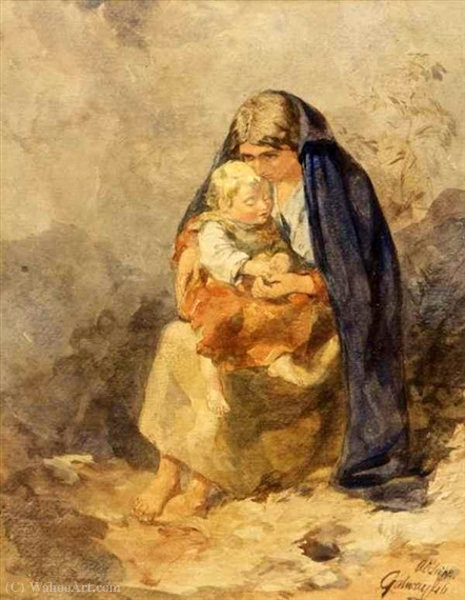
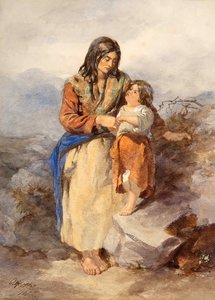
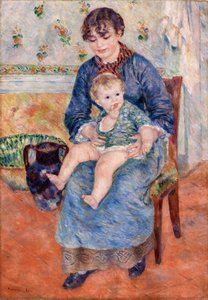
The irish mother
 Read More
Hand Made Oil Reproduction
Hand-painted oil on canvas in your size and frame, made to order by our artists. ( Buy Print Buy Image)




































Pick from our preset sizes that match the artwork's original proportions.

You may enter your own dimensions to fit a specific frame or space. If your selected size does not match the original image's proportions, we will either crop the artwork or extend the painting with additional hand-painted elements. A digital mockup will be sent for your approval before production begins.
Please note that the on-screen preview does not reflect the actual cropping or extension. Only the mockup will accurately show the final composition.
While custom sizes are available, we recommend selecting a dimension from the predefined list to preserve the original proportions.
After order, ArtsDot.com team will email client for instructions and provide a mockup preview
Worldwide Delivery () in 3/4 weeks instead of standard 5 weeks. (17 August). No compromise on quality.

Free Worldwide Express Shipping

High-Quality Linen Canvas

Full Shipping Insurance

Customs Tax Refund Guarantee

True Color Matching Guarantee

60-Day Return Policy (Defects Only)

100% Money-Back Guarantee

Bulk Discount Offer
 Glass option is only available in size under 110 CM

The irish mother
Reproduction Medium
Reproduction Size
-


Total Price
$ 263
Related Artworks
Artist Biography
The Gentle Soul of the British Landscape
Alfred Downing Fripp (1822 – 1895) stands as a significant figure in British watercolour painting, particularly renowned for his depictions of the picturesque landscapes and humble lives of rural England during the Romantic era. His artistic lineage traced back to Nicholas Pocock, a celebrated naval artist, which established him within a family tradition of excellence. Born in Bristol, Fripp’s formative years were marked by exposure to influential artistic figures and fostered a deep appreciation for the beauty of the British countryside. He pursued formal training at the Royal Academy of Arts, immersing himself in classical techniques and broadening his understanding of artistic principles. This grounding proved invaluable as he embarked on his professional career, establishing himself as an artist who captured the essence of everyday rural existence with remarkable sensitivity and detail.
His early works showcased Irish and Welsh peasants amidst breathtaking landscapes—a stylistic choice that reflects the Romantic preoccupation with emotion and imagination alongside meticulous observation. Fripp’s membership in the Old Watercolour Society – beginning as an associate in 1844 and ascending to full secretary in 1870 – solidified his position within the artistic community and provided him with access to influential networks of fellow artists. Notably, he collaborated closely with Frederick Leighton and Edward Poynter, engaging in spirited discussions about art and technique—a testament to his intellectual curiosity and commitment to artistic advancement.
A Journey Through Light and Sorrow
The profound impact of personal tragedy – the untimely death of his first wife in 1850 – spurred a period of artistic exploration in Italy, where he cultivated friendships with fellow painters and absorbed new stylistic influences. During these years in Rome, his subjects shifted toward Italian themes, often focusing on studies of young peasants that mirrored the genre work he had mastered in Britain. This Mediterranean influence breathed a new warmth into his palette, even as he maintained the precision of his training. Upon his return to Britain, Fripp reverted to painting British subjects, yet he carried with him a refined sense of light and atmosphere that would define his later mastery.
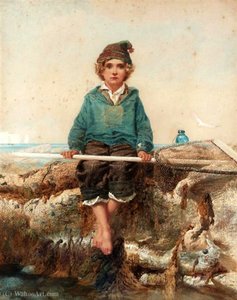
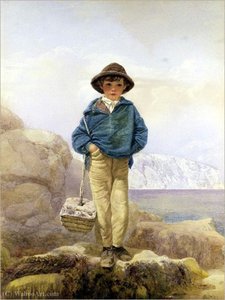
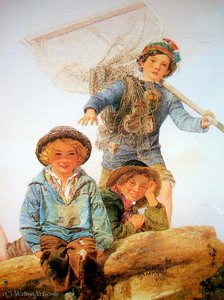
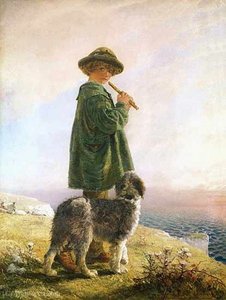
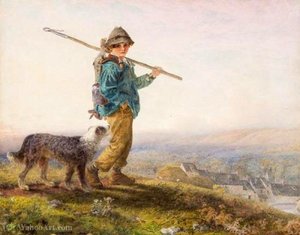
His later years were marked by a deep connection to the English terrain, particularly the scenic beauty of Dorset around Lulworth. This period saw him producing some of his most evocative works, where the landscape was not merely a backdrop but a living character in his narratives. His ability to weave human presence into the natural world was often aided by his personal life; many of his models were the younger siblings of his second wife, Eliza Banister Roe, creating a sense of intimacy and warmth that permeates works such as "A Fisher Boy."
Legacy of the Rural Romantic
The historical significance of Alfred Downing Fripp lies in his ability to bridge the gap between meticulous topographical recording and the emotional depth of the Romantic movement. His work serves as a poignant window into a vanishing way of life, preserving the dignity of the rural working class and the untouched splendor of the nineteenth-century countryside. Through his mastery of watercolour, he achieved a level of translucency and texture that allowed the viewer to feel the dampness of the English mist and the golden glow of a coastal afternoon.
His contributions to the art world can be summarized through several key pillars of his career:
- Artistic Lineage: Carrying forward the traditions of the marine artist Nicholas Pocock and working alongside contemporaries like George Arthur Fripp.
- Institutional Leadership: His transformative role as Secretary of the Old Watercolour Society, which helped shape the direction of British watercolourism.
- Genre Mastery: The seamless integration of human figures—from Irish peasants to English gamekeepers—into expansive, atmospheric landscapes.
- Cultural Preservation: Creating a visual archive of the social fabric and natural beauty of 19th-century Britain and Italy.
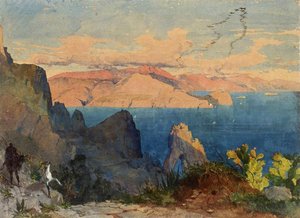
Alfred Downing Fripp
1822 - 1895 , United Kingdom
Quick Facts
- Artistic Movement Or Style: Romantic Watercolourism
- Artists Or Movements Influenced By This Artist: ['Romantic Painting']
- Artists Who Influenced This Artist:
- Nicholas Pocock
- George Arthur Fripp
- Date Of Birth: 1822 Bristol UK
- Date Of Death: 1895 London UK
- Full Name: Alfred Downing Fripp
- Nationality: British
- Notable Artworks:
- A fisher boy
- The little shrimper
- Young gamekeeper
- Place Of Birth: Bristol UK