 Preview
 Send
Send Share
Share
 Details

 Download
 Similars
 X-Ray
X-Ray Diaporama
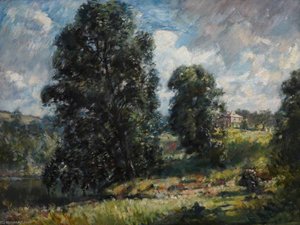
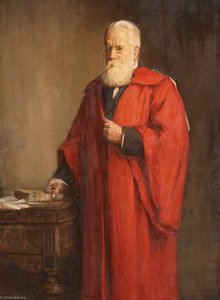
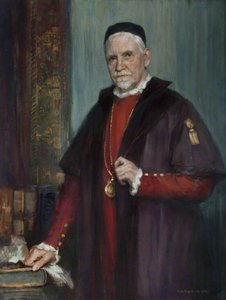
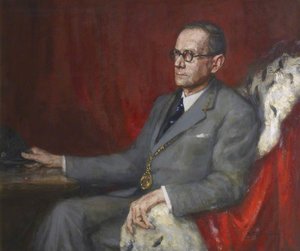
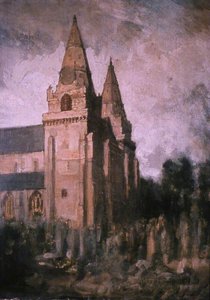
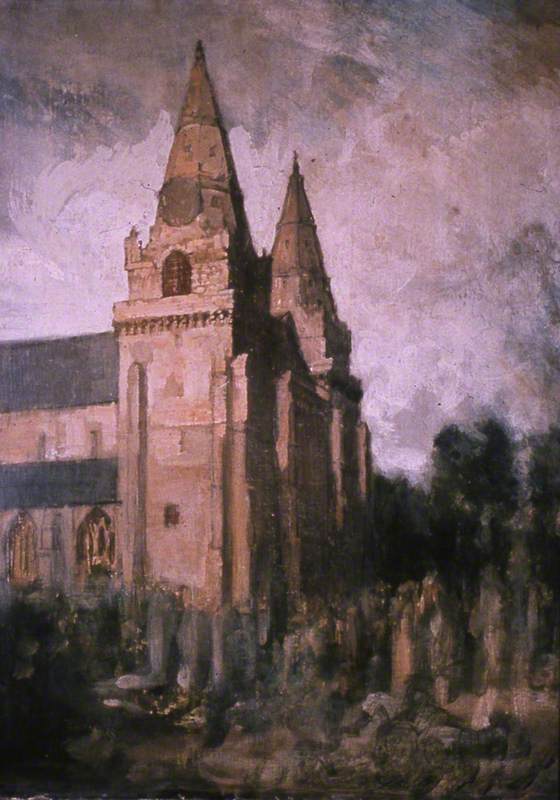
St Machar's Cathedral, Aberdeen
 77.0 x 56.0 cm
 Read More
Hand Made Oil Reproduction
Hand-painted oil on canvas in your size and frame, made to order by our artists. ( Buy Print Buy Image)




































Pick from our preset sizes that match the artwork's original proportions.

You may enter your own dimensions to fit a specific frame or space. If your selected size does not match the original image's proportions, we will either crop the artwork or extend the painting with additional hand-painted elements. A digital mockup will be sent for your approval before production begins.
Please note that the on-screen preview does not reflect the actual cropping or extension. Only the mockup will accurately show the final composition.
While custom sizes are available, we recommend selecting a dimension from the predefined list to preserve the original proportions.
After order, ArtsDot.com team will email client for instructions and provide a mockup preview
Worldwide Delivery () in 3/4 weeks instead of standard 5 weeks. (24 August). No compromise on quality.

Free Worldwide Express Shipping

High-Quality Linen Canvas

Full Shipping Insurance

Customs Tax Refund Guarantee

True Color Matching Guarantee

60-Day Return Policy (Defects Only)

100% Money-Back Guarantee

Bulk Discount Offer
 Glass option is only available in size under 110 CM

St Machar's Cathedral, Aberdeen
Reproduction Medium
Reproduction Size
-


Total Price
$ 263
Related Artworks









Artist Biography
The Soul Behind the Canvas: The Life and Legacy of Alfred Edward Borthwick
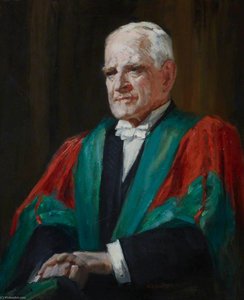
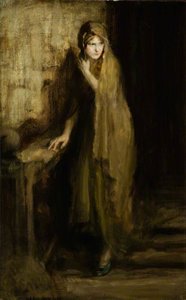
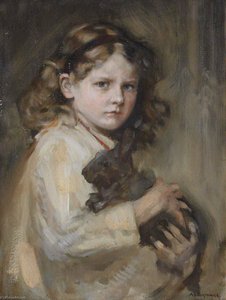
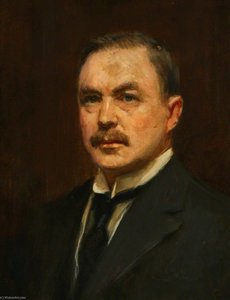
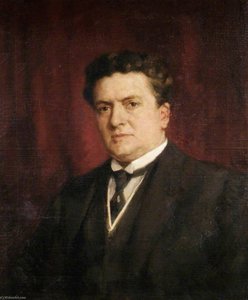
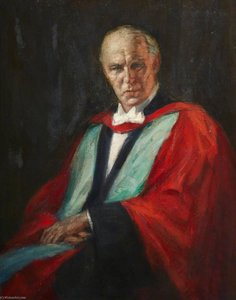
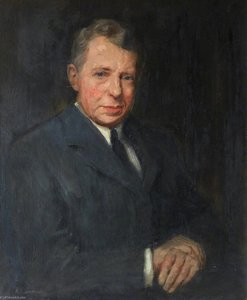
In the golden, shifting light of the Edwardian era, few artists possessed the ability to capture the quiet dignity of a passing age quite like Alfred Edward Borthwick. Born in 1871, Borthwick emerged not merely as a chronicler of faces, but as a poet of character. His journey through the great art capitals of Europe—from the rigorous academies of Edinburgh and London to the refined studios of Antwerp and Paris—imbued his work with a profound technical versatility. As a pupil of masters such as Bouguereau and Flury, he mastered the delicate balance between academic precision and the burgeoning freedom of impressionistic light. This training allowed him to navigate the complexities of human emotion, ensuring that every brushstroke served to reveal the psychological depth of his subjects.
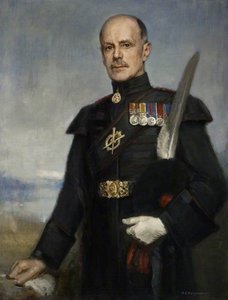
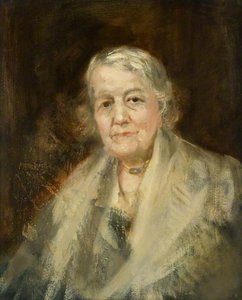
Borthwick’s life was as much a tapestry of historical drama as his paintings were of color and form. His experiences during the South African War, serving with the Scottish Sharpshooters, and his later service during the Great War, lent him a unique perspective on the fragility and resilience of the human spirit. This lived experience is palpable in his portraiture; he did not merely paint the nobility and society figures of his time, but sought to capture their internal gravity. His fascination with depicting older individuals—portraying them with an emphasis on wisdom and grace—found its most poignant expression in works like Lady Fairfax Lucy and Sir Ernest C. MacMillan. Through a palette of muted tones and subtle tonal variations, he could evoke the very atmosphere of a room or the weight of a lifetime of experience.
A Mastery of Light and Landscape
While his reputation was firmly anchored in the realm of portraiture, Borthwick’s artistic vision extended far beyond the studio walls. He possessed an extraordinary ability to translate the rugged textures of the natural world onto canvas, treating landscapes and seascapes with the same emotional intensity as his human subjects. In works such as Stonehaven Harbour, one can witness the artist's command over texture; his brushstrokes evoke the salt-sprayed, weathered beauty of the Scottish coastline, mirroring the Impressionist movement’s devotion to capturing fleeting moments of light and atmosphere. This duality—the ability to move between the intimate psychological study of a sitter and the expansive, atmospheric grandeur of a landscape—is what defined his unique aesthetic contribution to British art.
His achievements were recognized by the highest institutions of his day, marking him as a central figure in the Scottish art scene. His ascent within the Royal Scottish Academy, moving from an Associate in 1928 to a full Member in 1938, stands as a testament to his enduring influence and popularity. Perhaps no single work captured the public imagination quite like “The Presence,” painted in 1909. This masterpiece, which eventually found its home in St. Mary’s Cathedral in Edinburgh, became one of the most widely reproduced images of its era, demonstrating Borthwick's rare ability to create art that resonated deeply with the collective consciousness of the public.
Historical Significance and Artistic Enduringness
The passing of Alfred Edward Borthwick on December 7, 1955, marked the end of an era, yet his artistic legacy remains a vital link to the cultural landscape of the early twentieth century. He stood at the crossroads of tradition and modernity, bridging the gap between the formal, idealized beauty of the Victorian masters and the emotive, light-driven explorations of the modernists. His work serves as a historical window into the Edwardian and interwar periods, preserving the likenesses and the very essence of a society in transition.
To study Borthwick is to encounter an artist who believed that painting was a vessel for truth—not just the truth of physical appearance, but the truth of the human condition. His contributions can be summarized through several key pillars of his career:
- Technical Versatility: A seamless blend of academic realism and impressionistic technique learned from the finest masters in Europe.
- Psychological Depth: An unparalleled ability to imbue portraits with a sense of dignity, wisdom, and intangible emotion.
- Atmospheric Landscapes: A mastery of light and texture that brought the rugged beauty of the British landscape to life.
- Institutional Impact: A distinguished career within the Royal Scottish Academy and the Society of Scottish Artists, influencing generations of viewers and collectors alike.
Today, Borthwick’s canvases continue to captivate, offering a sense of permanence in an ever-changing world. His ability to find the extraordinary within the ordinary, and the eternal within the fleeting, ensures that his name remains etched in the annals of British art history.
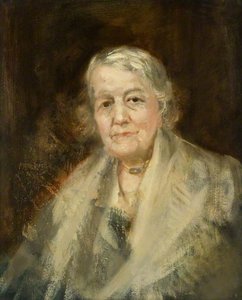
alfred edward borthwick
1871 - 1955
Quick Facts
- Artistic Movement Or Style: Impressionism
- Artists Or Movements Influenced By This Artist: ['Post-Impressionism']
- Artists Who Influenced This Artist: ['Claude Monet']
- Date Of Death: 1955
- Full Name: Alfred Edward Borthwick
- Nationality: British
- Notable Artworks:
- Lady Fairfax Lucy
- Sir Ernest C. MacMillan
- Stonehaven Harbour, Aberdeenshire
- Place Of Birth: Newcastle upon Tyne, England