

 Preview
 Send
Send Share
Share
 Details

 Download
 Similars
 X-Ray
X-Ray Diaporama
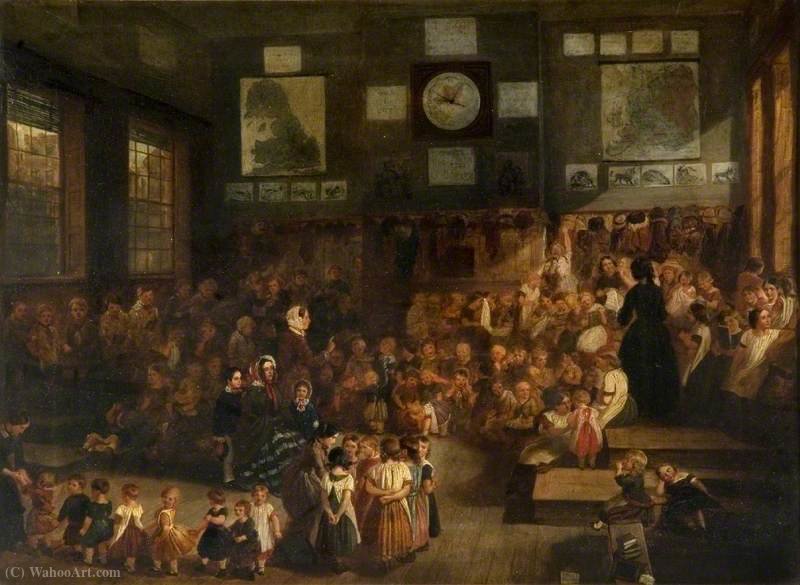
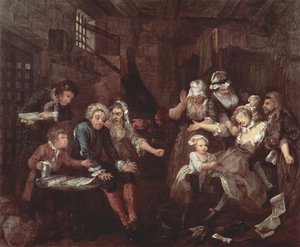
Ann street school, birmingham
 Read More
Purchase a high-resolution, enhanced digital image, far superior to the online preview.
Each file is meticulously prepared by our in-house specialists using advanced tools and expert manual retouching. We ensure every image has exceptional clarity, precise color accuracy, and fine detail.
The final file is delivered via email within 72 hours, optimized for immediate use in professional, editorial, and print environments. This is the same quality trusted by top-tier design studios, publishers, and galleries.
Digital Image
Download a high-resolution file for personal display, printing, and creative projects. ( Buy Print Buy Hand Made Painting)
Included in Every Digital Image Order
Expert Digital Delivery, Guaranteed
When you choose ArtsDot.com, you're not just getting an image - you're receiving a professionally enhanced digital artwork, crafted with precision and backed by a satisfaction guarantee. Here's everything that comes with your order, automatically:

Fast Email Delivery
Your high-resolution digital image file will be emailed to you within 72 hours of ordering - ready for immediate use.

AI-Enhanced Digital File
Your artwork is professionally optimized using advanced AI tools and manual editing, ensuring maximum detail, clarity, and color accuracy.

Free Lifetime Re-Delivery
Accidentally deleted or lost your file? No worries - we'll resend it to you anytime, free of charge.

No Import Fees - Ever
Enjoy your artwork instantly with zero customs, duties, or delivery fees - digital downloads are always tax-free.

Color Accuracy Guarantee
We ensure your digital image reflects the original colors as closely as possible using professional tools and color management.

60-Day Satisfaction Guarantee
If you're not satisfied with your digital image, we'll revise it or refund 100% within 60 days - no questions asked.

100% Money-Back Guarantee
Not satisfied? Get a full refund within 60 days of receiving your digital file - no questions asked.

Bulk Order Discounts
Buy 3 images, save 10% - Buy 5, save 15% - Buy 10+, save 20%. Great for creative projects, galleries, and agencies.
Related Artworks

Artist Biography
Andrew Wyeth: A Vision of American Isolation
Andrew Newell Wyeth, born in Wyncote, Pennsylvania, in 1917, wasn’t a flamboyant figure of the art world; he was a quiet observer, a meticulous recorder of his surroundings. His life and work were deeply rooted in the rural landscape of Chadds Ford, Pennsylvania, and its surrounding countryside – a place that would become the central subject of nearly all his paintings. Wyeth's career spanned over seven decades, during which he developed a distinctive style characterized by a haunting realism, an almost unnerving stillness, and a profound sense of melancholy. He resisted easy categorization, often described as a regionalist, but his work transcended simple labels, delving into themes of memory, family, mortality, and the enduring power of place. Wyeth’s artistic journey began with informal lessons from his father, N.C. Wyeth, a celebrated illustrator known for his dynamic Western scenes. This early exposure to illustration instilled in Andrew a keen eye for detail and an understanding of storytelling through visual imagery. However, Andrew quickly diverged from his father's more overtly narrative style, seeking instead to capture the subtle nuances of light, texture, and emotion within his chosen subjects. His influences were diverse – Winslow Homer’s evocative landscapes, Henry David Thoreau’s appreciation for nature, and even the silent drama of early cinema, particularly the work of King Vidor, all contributed to his unique artistic vision. His wife, Betsy Wyeth, played a crucial role in managing his career and providing emotional support, often acting as a sounding board for his ideas and a critical eye on his evolving style. Wyeth’s most famous works are undoubtedly his depictions of the Christina series, beginning with *Christina's World* (1948). This iconic painting, depicting an elderly woman walking barefoot across a barren field towards a distant farmhouse, has become synonymous with Wyeth’s oeuvre. The subject, Mary Abbott, a local resident who suffered from polio and was often seen struggling through the fields, became a recurring figure in his paintings – a symbol of resilience, vulnerability, and the passage of time. Beyond *Christina's World*, the series explored the lives of other residents of Chadds Ford, capturing their physical presence and emotional states with remarkable sensitivity. He also gained recognition for his “windows” paintings—intimate studies of panes of glass reflecting domestic interiors, offering glimpses into private worlds and hinting at unseen narratives. These works demonstrated a mastery of light and shadow, transforming ordinary windows into portals to deeper meaning. Wyeth’s artistic process was characterized by painstaking observation and meticulous execution. He often worked on a single painting for months or even years, layering thin washes of paint to build up complex textures and subtle gradations of color. His use of muted tones—primarily browns, grays, and greens—created an atmosphere of quiet contemplation and understated emotion. He rarely used brushes directly, preferring instead to apply paint with palette knives or rags, further enhancing the tactile quality of his work. This deliberate slowness and attention to detail reflected a deep respect for the subjects he depicted and a desire to capture their essence with unwavering accuracy. In 1987, Andrew Wyeth received the Presidential Medal of Freedom, the highest civilian honor bestowed by the United States government, recognizing his significant contribution to American art. He was also elected to the French Académie des Beaux-Arts in 1988, a rare distinction for an American artist. His work continues to be exhibited and studied worldwide, captivating viewers with its haunting beauty, psychological depth, and profound connection to the landscape of Pennsylvania. Wyeth’s legacy lies not only in his masterful technique but also in his ability to evoke a sense of longing, nostalgia, and the enduring mysteries of human experience—a testament to the power of art to illuminate the quiet corners of our lives.The Legacy of Andrew Wyeth: A Painter of Place
Andrew Wyeth’s artistic identity was inextricably linked to his hometown of Chadds Ford, Pennsylvania, and its surrounding countryside. He didn't simply paint landscapes; he painted *place*—a place imbued with memory, history, and a palpable sense of solitude. This deep connection to the land informed every aspect of his work, from the choice of subjects to the subtle shifts in color and light. The rolling hills, weathered barns, and quiet streams of Chester County became recurring motifs, appearing again and again throughout his career. Wyeth’s depictions of rural life were often tinged with a melancholic undertone, reflecting a profound awareness of mortality and the fragility of human existence. His subjects—often elderly residents of Chadds Ford—were not idealized heroes but rather ordinary people grappling with the challenges of aging, loss, and isolation. He captured their physical presence with unflinching honesty, revealing both their beauty and their imperfections. The figures in his paintings are often rendered in muted tones, their faces etched with lines of experience, suggesting a lifetime of quiet contemplation and unspoken stories. The influence of N.C. Wyeth, his father, is evident in Andrew’s early work, particularly in his use of detailed observation and storytelling through visual imagery. However, Andrew quickly developed his own distinct style, moving away from his father's more overtly narrative approach. He sought to capture the *essence* of his subjects—their inner lives and emotional states—rather than simply depicting their outward appearances. This shift is particularly evident in the Christina series, where he uses the figure of Mary Abbott not as a symbol of physical disability but as a representation of resilience, dignity, and the enduring spirit of humanity. Wyeth’s work has been interpreted through various lenses – regionalism, realism, and even surrealism—but ultimately, it defies easy categorization. His paintings are characterized by a unique blend of observation, emotion, and symbolism, creating images that are both deeply personal and universally resonant. His meticulous attention to detail, his masterful use of light and shadow, and his profound understanding of human psychology have cemented his place as one of the most important American artists of the 20th century. His paintings continue to provoke contemplation and evoke a sense of longing for a simpler time—a time when life was lived at a slower pace and connections to the land were still deeply felt.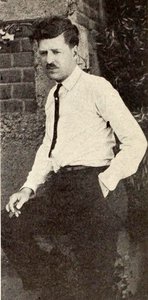
alfred h. green
1917 - 2013 , United Kingdom
Quick Facts
- Artistic Movement Or Style: Regionalist, Realism
- Artists Who Influenced This Artist: ['Winslow Homer, Henry David Thoreau, King Vidor],\n "Artists or movements influenced by this artist": ["N.C. Wyeth", "Brandywine School"]\n}']
- Date Of Birth: July 12, 1917
- Date Of Death: January 16, 2009
- Full Name: Andrew Newell Wyeth
- Nationality: American
- Notable Artworks:
- Christina's World
- Windows Series
- Place Of Birth: Chadds Ford, PA, USA

