 Preview
 Send
Send Share
Share
 Details

 Download
 Similars
 X-Ray
X-Ray Diaporama
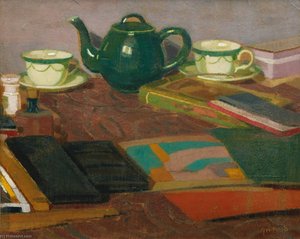
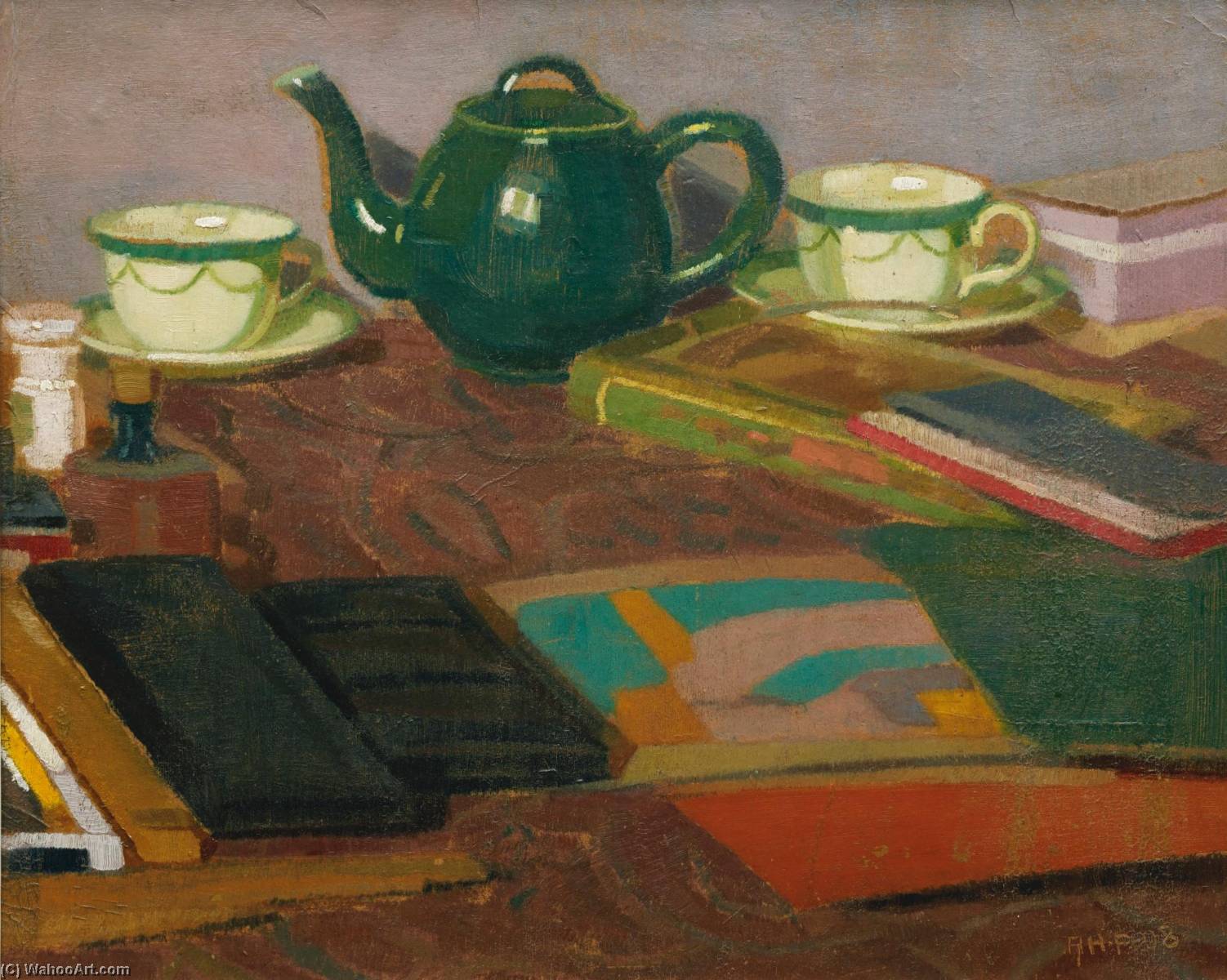
Teegeschirr und Bücher, 1908

 Read More
Giclée / Art Print
Museum-quality giclée or canvas print with fast production and flexible finish options. ( Buy Hand Made Painting Buy Image)




































Pick from our preset sizes that match the artwork's original proportions.

You may enter your own dimensions to fit a specific frame or space. If your selected size does not match the original image's proportions, we will either crop the artwork or extend the image with a mirrored or solid-fill edge. A digital mockup will be sent for your approval before production begins.
Please note that the on-screen preview does not reflect the actual cropping or extension. Only the mockup will accurately show the final composition.
While custom sizes are available, we recommend selecting a dimension from the predefined list to preserve the original proportions.
Worldwide Delivery () in 2 weeks instead of standard 4/5 weeks. (23 August)

Free Worldwide Express Shipping

High-Quality Linen Canvas

Full Shipping Insurance

Customs Tax Refund Guarantee

True Color Matching Guarantee

60-Day Return Policy (Defects Only)

100% Money-Back Guarantee

Bulk Discount Offer
 Glass option is only available in size under 110 CM

Teegeschirr und Bücher, 1908
Giclée / Art Print
Reproduction Size
-


Total Price
$ 63
Related Artworks
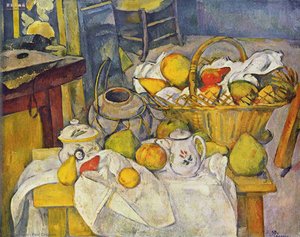
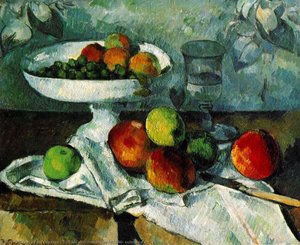
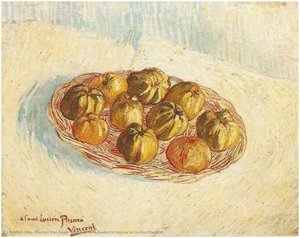
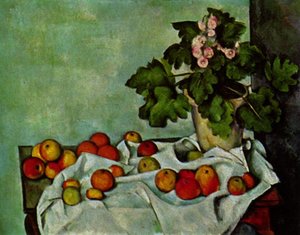
Artist Biography
Alfred Heinrich Pellegrini: A Dreamy Vision of Alpine Landscapes
Alfred Heinrich Pellegrini (1881-1958) remains a relatively obscure figure in the annals of Swiss art history, yet his paintings possess an undeniable allure – a captivating blend of Impressionistic softness and Expressionist fervor that captures the ethereal beauty of the alpine wilderness. Born in Basel, Switzerland, Pellegrini’s artistic journey began modestly, influenced by the burgeoning Symbolist movement prevalent at the time. Early works showcased a preoccupation with melancholic themes and muted palettes, reflecting the anxieties of the era alongside an inherent sensitivity to color and light.- Early Influences: Pellegrini's formative years coincided with the rise of Symbolism in Europe, spearheaded by artists like Edvard Munch and Gustav Klimt. These masters championed emotional expression over objective representation, prioritizing subjective experience as paramount to artistic endeavor.
- Basel Art Academy Training: He honed his skills at Basel Art Academy, absorbing techniques from prominent instructors who emphasized meticulous observation coupled with imaginative interpretation.
- The Alpine Landscape Motif: Pellegrini swiftly established himself as a master of the alpine landscape, transforming snow-capped peaks and verdant valleys into canvases imbued with dreamlike serenity. His distinctive style—characterized by hazy atmospheric perspective and luminous color harmonies—became his signature.
Notable Works & Artistic Style
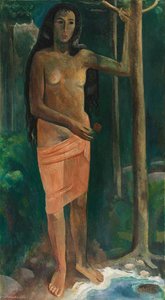
Pellegrini’s oeuvre comprises approximately 300 paintings, predominantly landscapes executed in oil on canvas. However, he also ventured into decorative arts, crafting exquisite teegeschirr (tea sets) adorned with intricate floral motifs—a testament to his artistic versatility and meticulous craftsmanship. His approach to painting was deeply rooted in Impressionism, yet he transcended its limitations by incorporating elements of Expressionism, particularly in conveying mood and emotion. He skillfully manipulated color and brushstrokes to evoke feelings of solitude, contemplation, and wonder.- ‘Mädchen im Walde’ (Girl in the Forest): Arguably Pellegrini's most celebrated masterpiece, ‘Mädchen im Walde,’ exemplifies his stylistic prowess. The painting depicts a young woman bathed in dappled sunlight amidst a dense pine forest—a scene rendered with breathtaking realism yet imbued with an intangible aura of melancholy and enchantment.
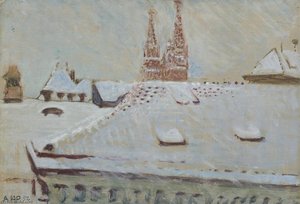
- ‘Februarschnee’ (February Snow): Another evocative landscape, ‘Februarschnee,’ captures the stark beauty of a February snowfall. Pellegrini's masterful use of tonal gradation creates a palpable sense of coldness and stillness—a poignant meditation on winter’s transformative power.
Murals & Decorative Arts Commissions
Beyond his easel paintings, Pellegrini undertook significant mural commissions for public spaces in Basel and Zurich. These monumental artworks served as visual narratives, celebrating Swiss cultural heritage and fostering civic pride. His murals—often depicting alpine vistas or scenes from Swiss folklore—demonstrate his commitment to artistic engagement with the broader community. Furthermore, Pellegrini’s teegeschirr designs—characterized by delicate floral patterns and subtle glaze effects—represent a remarkable achievement in decorative arts, reflecting his mastery of technique and aesthetic sensibility.Legacy & Historical Significance
Alfred Heinrich Pellegrini's contribution to Swiss art remains understated yet profound. His paintings continue to inspire admiration for their lyrical beauty and psychological depth—a testament to his enduring artistic vision. He stands as a pivotal figure in bridging the gap between Impressionism and Expressionism, demonstrating how artists can simultaneously embrace observational accuracy while conveying subjective emotion. Pellegrini’s legacy resides not merely in his artworks themselves but also in his unwavering dedication to preserving Alpine traditions and enriching the cultural landscape of Switzerland.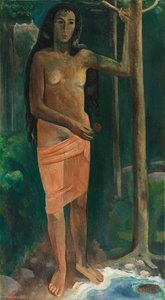
Quick Facts
- Artistic Movement Or Style: Expressionism Swiss
- Artists Or Movements Influenced By This Artist: ['']
- Artists Who Influenced This Artist: ['']
- Date Of Death: Living
- Full Name: Alfred Heinrich Pellegrini
- Nationality: Swiss
- Notable Artworks:
- Teegeschirr und Bücher
- Mädchen im Walde
- Place Of Birth: Switzerland
Related Articles

Sir Alfred Munnings' Masterpieces: 25 Paintings That Define Equine Art | ArtsDot
Explore 25 iconic Sir Alfred Munnings paintings! Discover the beauty of British Impressionism, equine art & rural England. Find museum-quality reproductions and elevate your home decor with ArtsDot. Explore the full collection online.
Beyond Impressionism: Exploring the Emotional Depth of Post-Impressionist Painting
Explore the profound emotional depth & innovative techniques of Post-Impressionism with ArtsDot. Discover Cézanne, Van Gogh, Gauguin & more – and their lasting impact on modern art.

Cézanne's Masterpieces: 25 Iconic Artworks to Transform Your Space
Journey through 25 iconic artworks by Paul Cézanne – a master of Impressionism and Post-Impressionism. Explore his landscapes, still lifes, and the stories behind these timeless masterpieces. Discover museum-quality reproductions & curated decor at ArtsDot.com.
Post-Impressionism's 10 Defining Masterpieces: Art for Your Home |
Journey through Post-Impressionism's 10 defining masterpieces – Van Gogh, Monet & more. Explore iconic paintings, art history & find museum-quality reproductions for your home at . Discover all masterpieces online!
Beyond Light & Color: Impressionism vs. Post-Impressionism for the Discerning Collector
Explore the nuances of Impressionism & Post-Impressionism with . Expert insights for collectors on style, investment, and acquiring museum-quality reproductions.