

 Preview
 Send
Send Share
Share
 Details

 Download
 Similars
 X-Ray
X-Ray Diaporama
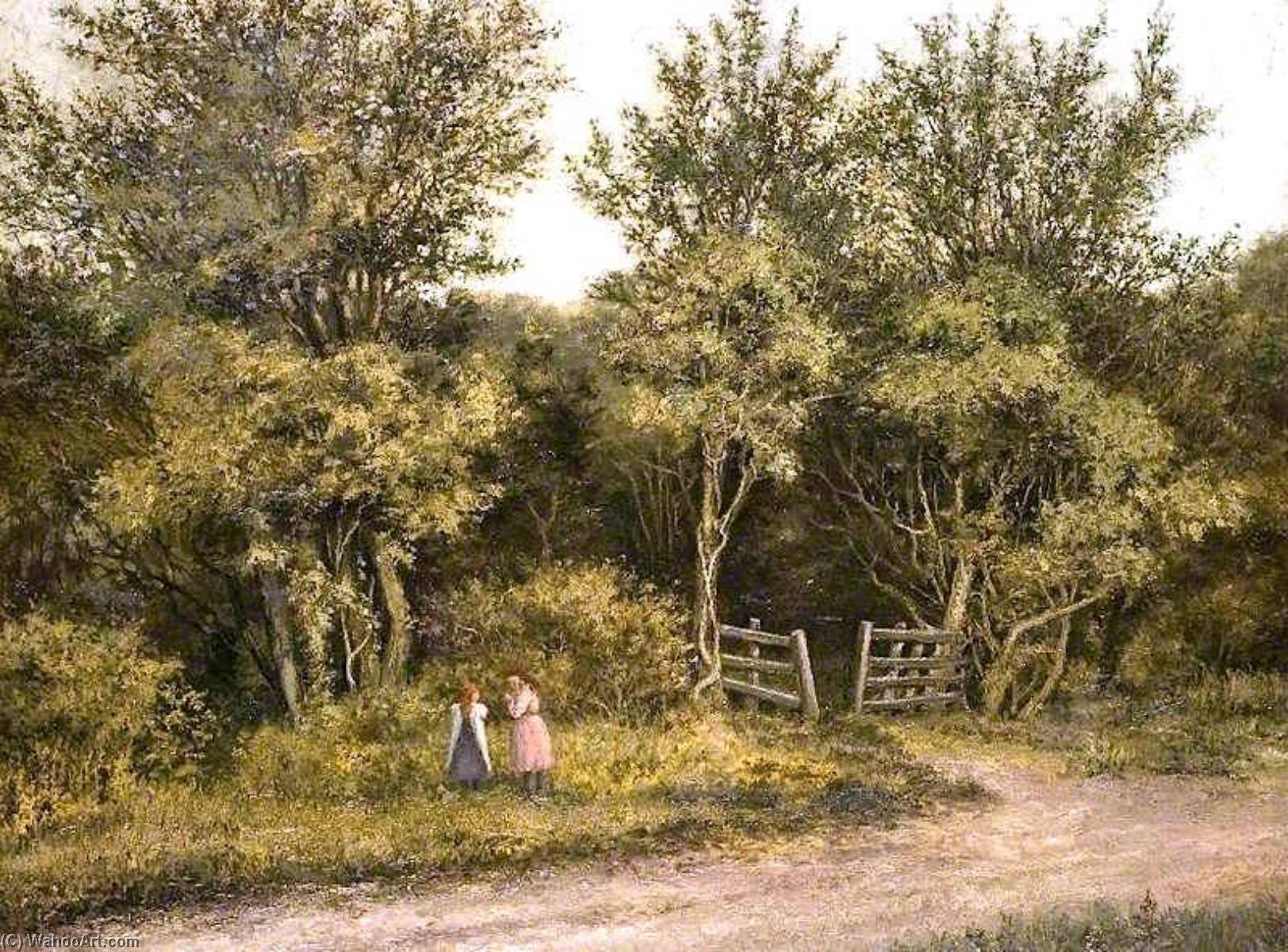
Entrance to Norton Common
 45.0 x 60.0 cm
 Read More
Purchase a high-resolution, enhanced digital image, far superior to the online preview.
Each file is meticulously prepared by our in-house specialists using advanced tools and expert manual retouching. We ensure every image has exceptional clarity, precise color accuracy, and fine detail.
The final file is delivered via email within 72 hours, optimized for immediate use in professional, editorial, and print environments. This is the same quality trusted by top-tier design studios, publishers, and galleries.
Digital Image
Download a high-resolution file for personal display, printing, and creative projects. ( Buy Print Buy Hand Made Painting)
Included in Every Digital Image Order
Expert Digital Delivery, Guaranteed
When you choose ArtsDot.com, you're not just getting an image - you're receiving a professionally enhanced digital artwork, crafted with precision and backed by a satisfaction guarantee. Here's everything that comes with your order, automatically:

Fast Email Delivery
Your high-resolution digital image file will be emailed to you within 72 hours of ordering - ready for immediate use.

AI-Enhanced Digital File
Your artwork is professionally optimized using advanced AI tools and manual editing, ensuring maximum detail, clarity, and color accuracy.

Free Lifetime Re-Delivery
Accidentally deleted or lost your file? No worries - we'll resend it to you anytime, free of charge.

No Import Fees - Ever
Enjoy your artwork instantly with zero customs, duties, or delivery fees - digital downloads are always tax-free.

Color Accuracy Guarantee
We ensure your digital image reflects the original colors as closely as possible using professional tools and color management.

60-Day Satisfaction Guarantee
If you're not satisfied with your digital image, we'll revise it or refund 100% within 60 days - no questions asked.

100% Money-Back Guarantee
Not satisfied? Get a full refund within 60 days of receiving your digital file - no questions asked.

Bulk Order Discounts
Buy 3 images, save 10% - Buy 5, save 15% - Buy 10+, save 20%. Great for creative projects, galleries, and agencies.
Related Artworks










Artist Biography
Alfred John Bamford: A Rural English Visionary
Alfred John Bamford (1850-1929) remains a quietly significant figure in 19th and early 20th century British art, an artist whose prolific output and evocative landscapes often go unnoticed outside specialist circles. Born in Romford, Essex, his life was inextricably linked to the evolving social and artistic landscape of rural England, and his work offers a poignant glimpse into the changing relationship between humanity and the natural world. Bamford’s story is one of a man who skillfully navigated the demands of both military service and artistic expression, ultimately forging a distinctive style deeply rooted in observation and a profound appreciation for the subtle beauty of the countryside.
Bamford's early life was shaped by his family’s connection to the East Anglian mercantile world. His father, Daniel Bamford, was a successful manager at Kemsley’s auctioneers, exposing young Alfred to the rhythms of commerce and the importance of detailed observation – skills that would later inform his artistic practice. Following a brief education at Manchester Grammar School, he entered the military service, joining the First Volunteer Battalion Regiment around 1875. This commitment to duty continued throughout his life, punctuated by periods of civilian art production. It’s crucial to understand that Bamford rarely considered himself solely an artist; rather, painting was often a means of managing the dual demands of his existence – a soldier and, increasingly, a keen observer of rural life.
The Influence of Cotman and the Rise of Watercolour
Bamford’s artistic development is inextricably linked to John Sell Cotman, a leading watercolourist of the early 19th century. Like Cotman, Bamford was captivated by the medium's unique ability to capture fleeting moments and atmospheric effects. He admired Cotman’s mastery of light and colour, particularly his skill in conveying the sense of stillness and tranquility that he sought in his own work. This influence is evident in Bamford’s compositions – often characterized by a quiet stillness, a careful rendering of detail, and an emphasis on capturing the subtle nuances of light and shadow. The prevalent use of watercolour reflects this approach; it allowed for delicate washes and atmospheric effects, perfectly suited to depicting the soft, diffused light of the English countryside.
Furthermore, Bamford’s artistic journey coincided with a broader shift in British art towards landscape painting. The Romantic movement had championed dramatic vistas and sublime landscapes, but by the mid-19th century, there was growing interest in more intimate depictions of rural life. Bamford's work aligns with this trend, focusing on scenes from everyday life – farmers tending their fields, children playing in meadows, and glimpses of charming village interiors. He wasn’t interested in grand narratives or heroic figures; instead, he sought to capture the quiet dignity and inherent beauty of the ordinary.
Norton Common and a Distinctive Style
Bamford's most celebrated work undoubtedly revolves around his depictions of Norton Common in Hampshire. This vast expanse of heathland became a recurring subject throughout his career, providing him with endless opportunities to explore light, texture, and colour. The common’s undulating landscape, dotted with ancient trees and punctuated by patches of vibrant wildflowers, offered a rich tapestry for his artistic eye. His paintings of Norton Common are not merely topographical representations; they are imbued with a sense of atmosphere and mood – capturing the feeling of solitude, contemplation, and connection to the natural world.
A key element of Bamford’s style is his meticulous attention to detail. He carefully observed the textures of grass, heather, and soil, rendering them with remarkable accuracy. His use of colour was equally subtle and nuanced, employing a wide range of tones to create a sense of depth and realism. While influenced by Cotman's approach, Bamford developed a distinctive style characterized by a quiet confidence and an understated elegance. His paintings possess a serene quality that invites the viewer to linger and contemplate the beauty of the scene.
A Legacy of Observation
Alfred John Bamford’s artistic output is remarkably extensive – over 120 works are attributed to him, many of which can be found in public collections across the UK. His prolificness speaks to a deep-seated passion for observation and a commitment to capturing the beauty of his surroundings. Despite often being overshadowed by more celebrated contemporaries, Bamford’s work offers a valuable insight into the artistic sensibilities of Victorian England and the evolving relationship between art and rural life.
Today, Bamford's paintings are appreciated for their quiet dignity, technical skill, and evocative portrayal of the English countryside. His legacy lies not in grand pronouncements or revolutionary innovations, but rather in his unwavering dedication to observing and representing the beauty of the world around him – a testament to the power of simple observation and a profound appreciation for the subtle wonders of nature.
alfred john bamford
1850 - 1929
Quick Facts
- Artistic Movement Or Style: English Landscape Painting
- Artists Or Movements Influenced By This Artist: ['British Impressionism']
- Artists Who Influenced This Artist: ['John Sell Cotman']
- Date Of Birth: 1850
- Date Of Death: 1929
- Full Name: Alfred John Bamford
- Nationality: British
- Notable Artworks:
- In Norton Common
- The Chapel of St Erasmus
- Various rural scenes
- Place Of Birth: Romford, Essex, UK

