 Preview
 Send
Send Share
Share
 Details

 Download
 Similars
 X-Ray
X-Ray Diaporama
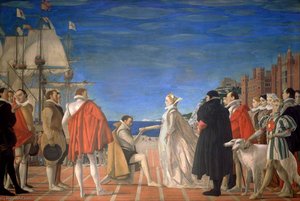
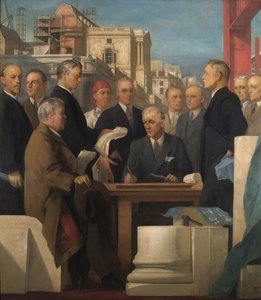
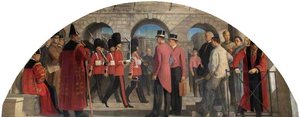
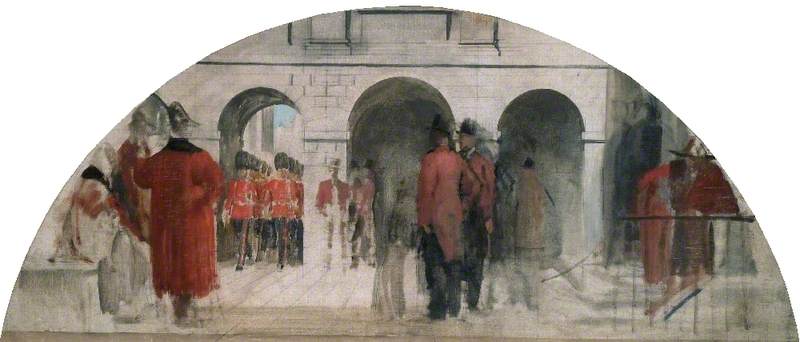
The Old Threadneedle Street Courtyard with Guard Arriving at the Bank (sketch)
 77.0 x 135.0 cm
 Read More
Giclée / Art Print
Museum-quality giclée or canvas print with fast production and flexible finish options. ( Buy Hand Made Painting Buy Image)




































Pick from our preset sizes that match the artwork's original proportions.

You may enter your own dimensions to fit a specific frame or space. If your selected size does not match the original image's proportions, we will either crop the artwork or extend the image with a mirrored or solid-fill edge. A digital mockup will be sent for your approval before production begins.
Please note that the on-screen preview does not reflect the actual cropping or extension. Only the mockup will accurately show the final composition.
While custom sizes are available, we recommend selecting a dimension from the predefined list to preserve the original proportions.
Worldwide Delivery () in 2 weeks instead of standard 4/5 weeks. (23 August)

Free Worldwide Express Shipping

High-Quality Linen Canvas

Full Shipping Insurance

Customs Tax Refund Guarantee

True Color Matching Guarantee

60-Day Return Policy (Defects Only)

100% Money-Back Guarantee

Bulk Discount Offer
 Glass option is only available in size under 110 CM

The Old Threadneedle Street Courtyard with Guard Arriving at the Bank (sketch)
Giclée / Art Print
Reproduction Size
-


Total Price
$ 63
Related Artworks







Artist Biography
The Soul of the English Landscape: The Life and Art of Alfred Kingsley Lawrence
Born in the historic town of Lewes, Sussex, on October 4th, 1893, Alfred Kingsley Lawrence emerged as a profound voice in British art, weaving together the quiet dignity of portraiture with the sweeping, atmospheric beauty of the English countryside. His early life was shaped by a resilience born of necessity; following the untimely death of his father, Lawrence was raised by his mother, Fanny Beatrice Lawrence, whose dedication to his education allowed his innate artistic talents to flourish. This foundational period of discipline and devotion set the stage for a career defined by meticulous observation and an unwavering commitment to capturing the essence of his subjects, whether they were the rugged terrains of Northumberland or the nuanced expressions of the British elite.
Lawrence’s formal training was as prestigious as it was transformative. At the King Edward VII School of Art, Armstrong College, he flourished under the mentorship of Professor Richard Hatton, a period that established him as one of Newcastle’s most promising young talents. His pursuit of excellence led him to the Royal College of Art, where he studied under the renowned William Rothenstein. It was here that Lawrence began to absorb the complex influences of Impressionism and Symbolism, learning to balance the structural integrity of realism with a more emotive, fluid approach to light and atmosphere. The pinnacle of his academic journey arrived in 1923 when he was awarded the prestigious Prix de Rome scholarship, an achievement that transported him to the heart of Italy, allowing him to refine his technique amidst the timeless grandeur of Roman classical art.
A Mastery of Realism and Emotional Resonance
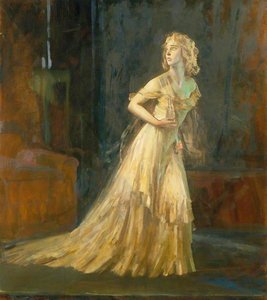
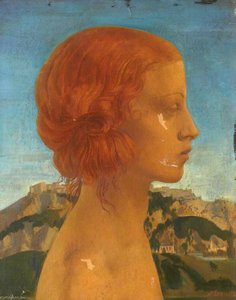
The artistry of Alfred Kingsley Lawrence is best understood through his ability to bridge the gap between the physical world and the psychological realm. His landscapes are far more than mere topographical records; they are evocative studies of light, weather, and mood. In his depictions of the Northumbrian landscape, one can sense the dampness of the mist and the heavy, shifting skies that define the region. This mastery of atmosphere was complemented by a remarkable skill in portraiture, where he sought to capture not just a likeness, but the very soul of the sitter. His portraits are celebrated for their psychological depth, utilizing subtle shading and realistic brushwork to convey wisdom, melancholy, or quiet strength.
His diverse repertoire includes several notable achievements that highlight his versatility as a painter:
- The Altruists: A monumental commission for St Stephen's Hall in Westminster, showcasing his ability to handle large-scale, significant historical subject matter.
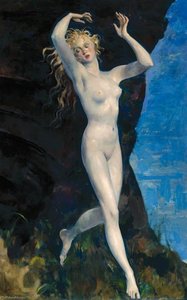
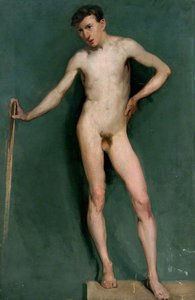
- Persephone (1938): A dramatic departure into the realm of Romanticism, where he utilized a swirling blue background and a nude figure to create a powerful, mythic resonance.
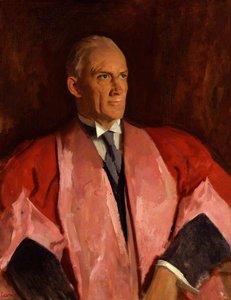
- T. M. Temperley (1933): An oil painting that exemplifies his ability to use muted tones and realistic textures to evoke a sense of timelessness and dignity.
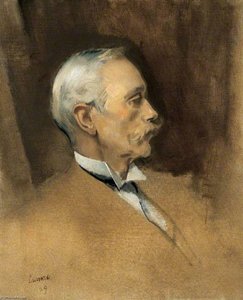
- Sir Herbert Baker Study: A delicate pastel work that demonstrates his command over different mediums and his ability to capture the architectural spirit through portraiture.
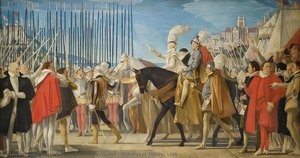
Throughout his life, Lawrence remained a steadfast observer of the world around him. From the sporting scenes and hunting traditions that earned him recognition in the realm of British sporting art to the intimate, historical portraits like Queen Elizabeth I at Tilbury, his work serves as a vital visual record of a changing Britain. His legacy lives on through the collections of institutions such as the Munnings Art Museum, where his ability to blend the precision of a realist with the heart of an impressionist continues to captivate and inspire new generations of art lovers.
alfred kingsley lawrence
1893 - 1975
Quick Facts
- Artistic Movement Or Style: Romantic
- Artists Or Movements Influenced By This Artist: ['William Rothenstein']
- Artists Who Influenced This Artist: ['Richard Hatton']
- Date Of Birth: October 4, 1893
- Date Of Death: 1975
- Full Name: Alfred Kingsley Lawrence
- Nationality: British
- Notable Artworks:
- Queen Elizabeth I at Tilbury
- Persephone
- Place Of Birth: Lewes, Sussex