 Preview
 Send
Send Share
Share
 Details

 Download
 Similars
 X-Ray
X-Ray Diaporama
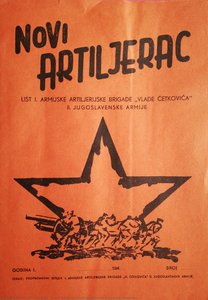
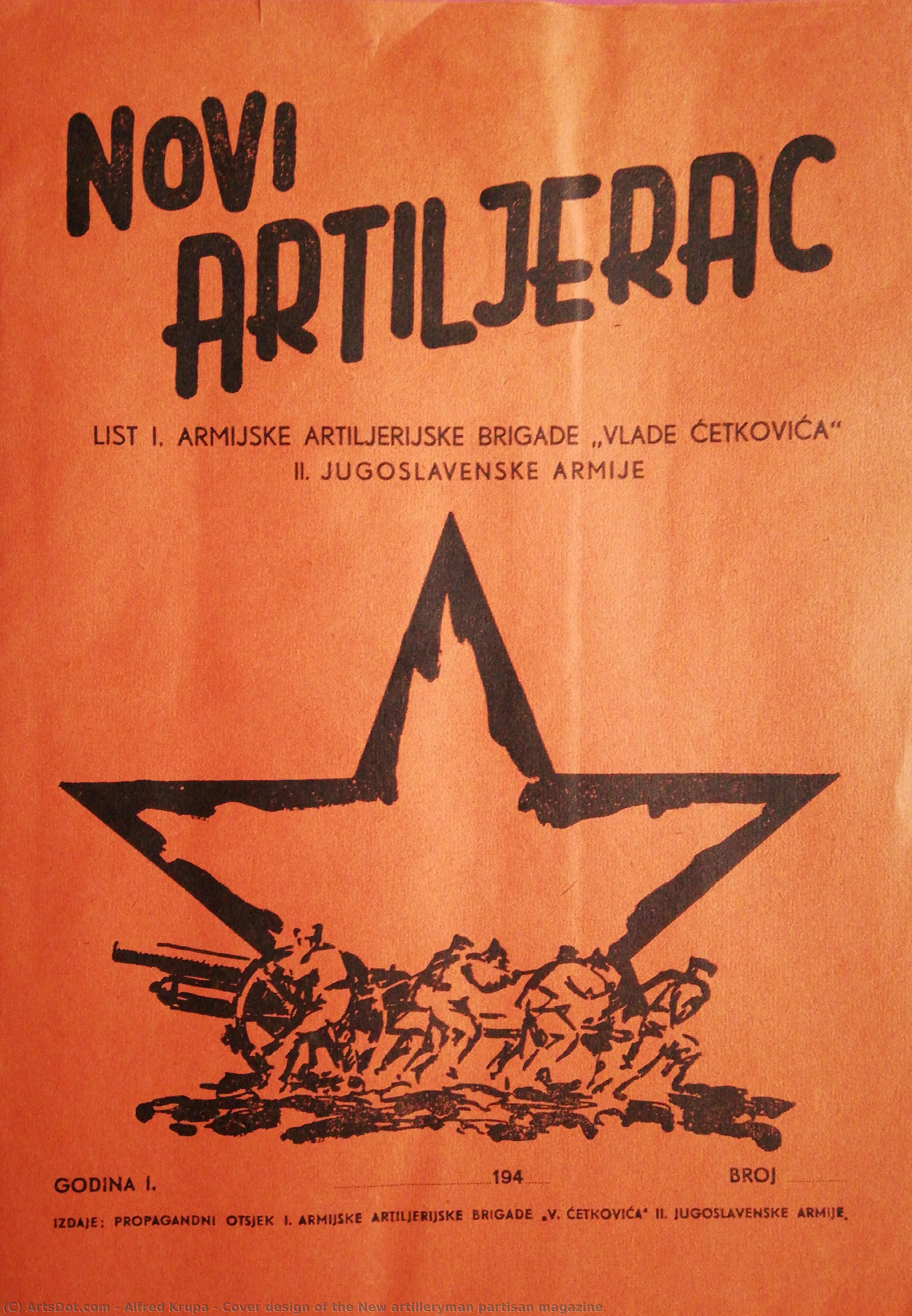
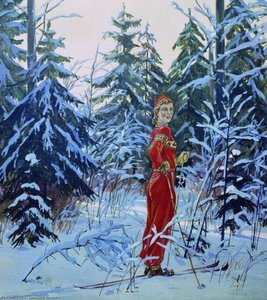
Cover design of the New artilleryman partisan magazine


 Read More
Giclée / Art Print
Museum-quality giclée or canvas print with fast production and flexible finish options. ( Buy Hand Made Painting Buy Image)




































Pick from our preset sizes that match the artwork's original proportions.

You may enter your own dimensions to fit a specific frame or space. If your selected size does not match the original image's proportions, we will either crop the artwork or extend the image with a mirrored or solid-fill edge. A digital mockup will be sent for your approval before production begins.
Please note that the on-screen preview does not reflect the actual cropping or extension. Only the mockup will accurately show the final composition.
While custom sizes are available, we recommend selecting a dimension from the predefined list to preserve the original proportions.
Worldwide Delivery () in 2 weeks instead of standard 4/5 weeks. (3 September)

Free Worldwide Express Shipping

High-Quality Linen Canvas

Full Shipping Insurance

Customs Tax Refund Guarantee

True Color Matching Guarantee

60-Day Return Policy (Defects Only)

100% Money-Back Guarantee

Bulk Discount Offer
 Glass option is only available in size under 110 CM

Cover design of the New artilleryman partisan magazine
Giclée / Art Print
Reproduction Size
-


Total Price
$ 63
Related Artworks


Artist Biography
The Enigmatic Vision of Alfred Krupa
Alfred Krupa remains a somewhat elusive figure in the contemporary art landscape, an artist whose work speaks volumes while his personal narrative has remained largely unchronicled. Born in (date and location currently unavailable), Krupa’s artistic journey is one of quiet dedication and evolving exploration. Unlike many artists propelled into prominence by academic training or bustling gallery scenes, Krupa's development appears to have been a more internal process, driven by an intrinsic need to translate his perceptions onto canvas. This relative obscurity only adds to the mystique surrounding his pieces, allowing viewers to engage with the work on a purely visceral level, unburdened by preconceived notions of biography or artistic intent. While details regarding his early life are scarce, it is evident that Krupa possesses a profound sensitivity to color and form, qualities that have become hallmarks of his distinctive style.A Language of Abstraction and Emotion
Krupa’s work defies easy categorization, existing in the liminal space between abstract expressionism and lyrical abstraction. His canvases are rarely representational; instead, they function as emotional landscapes, built from layers of luminous color and dynamic brushwork. The artist eschews rigid geometric structures in favor of organic shapes and flowing lines, creating compositions that feel both spontaneous and meticulously planned. There’s a palpable sense of movement within his paintings – colors bleed into one another, forms seem to dissolve and reform, evoking the fluidity of memory or the shifting patterns of light. Influences are difficult to pinpoint with certainty; however, echoes of Mark Rothko's color field paintings and Wassily Kandinsky's explorations of synesthesia can be detected in Krupa’s work. Yet, he has forged a unique visual vocabulary that is distinctly his own. He often employs a restrained palette, favoring muted tones punctuated by bursts of vibrant hue, creating a compelling tension between serenity and intensity.Technique as Intuitive Process
Krupa's artistic process appears deeply intuitive. He builds up layers of paint over extended periods, often scraping back sections to reveal underlying colors and textures. This technique creates a sense of depth and complexity, inviting viewers to lose themselves in the intricacies of the surface. He frequently works with acrylics, exploiting their versatility and rapid drying time to achieve a range of effects – from delicate washes to bold impasto strokes. The physicality of the paint is crucial; Krupa doesn’t simply apply color but manipulates it, coaxing it into forms that resonate with emotional weight.- The use of glazing techniques adds luminosity and depth.
- His brushwork varies from broad, sweeping gestures to precise, controlled lines.
- He often incorporates subtle textural elements, adding another layer of visual interest.