 Preview
 Send
Send Share
Share
 Details

 Download
 Similars
 X-Ray
X-Ray Diaporama
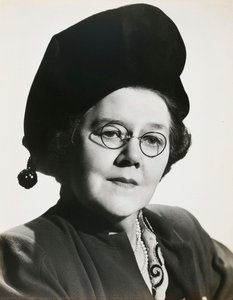
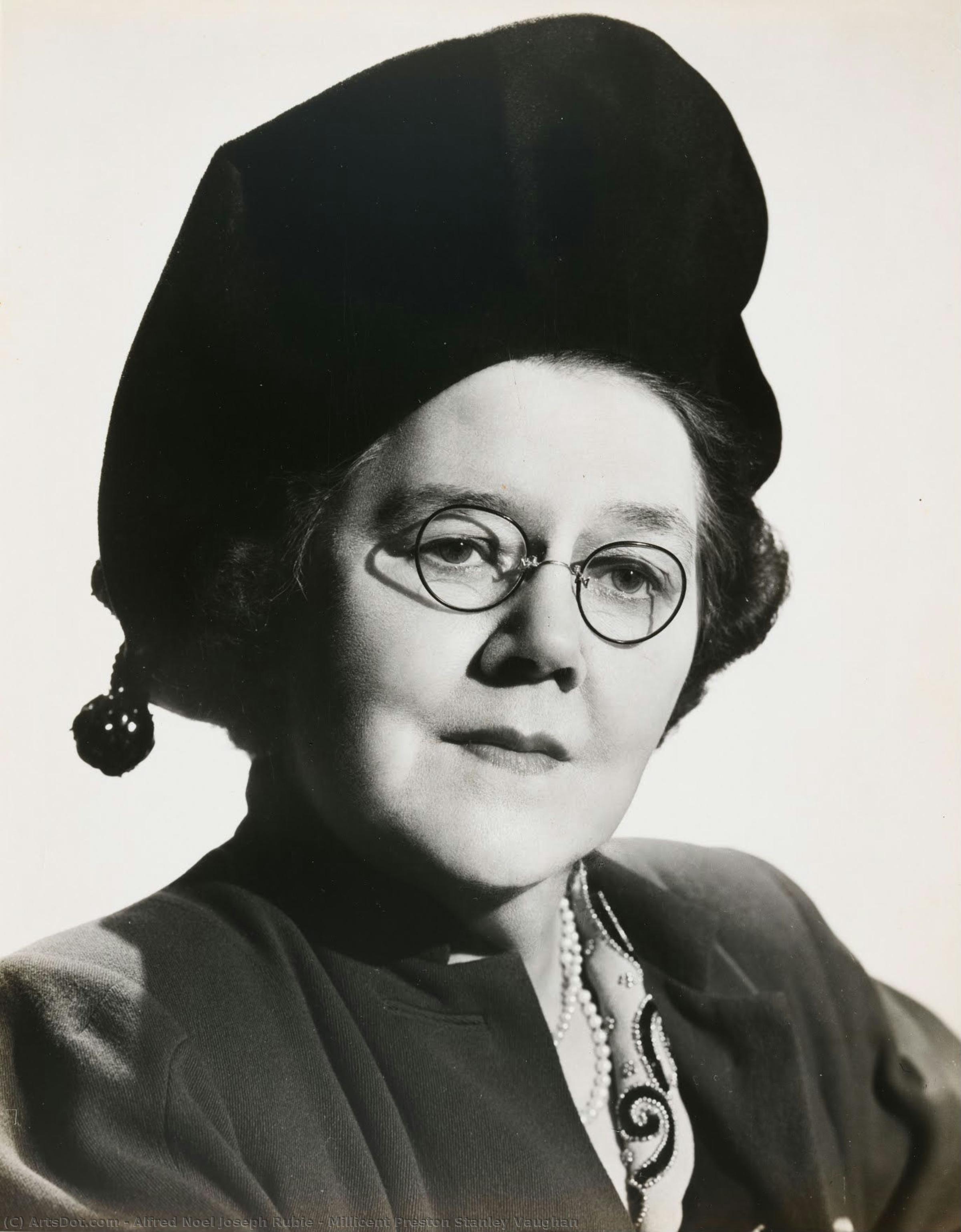
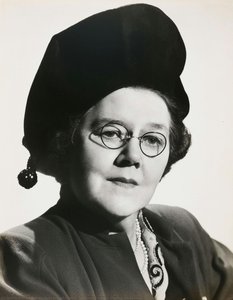
Millicent Preston Stanley Vaughan
 1945
1945 24.0 x 19.0 cm
 National Portrait Gallery
 Read More
Giclée / Art Print
Museum-quality giclée or canvas print with fast production and flexible finish options. ( Buy Hand Made Painting Buy Image)




































Pick from our preset sizes that match the artwork's original proportions.

You may enter your own dimensions to fit a specific frame or space. If your selected size does not match the original image's proportions, we will either crop the artwork or extend the image with a mirrored or solid-fill edge. A digital mockup will be sent for your approval before production begins.
Please note that the on-screen preview does not reflect the actual cropping or extension. Only the mockup will accurately show the final composition.
While custom sizes are available, we recommend selecting a dimension from the predefined list to preserve the original proportions.
Worldwide Delivery () in 2 weeks instead of standard 4/5 weeks. (22 August)

Free Worldwide Express Shipping

High-Quality Linen Canvas

Full Shipping Insurance

Customs Tax Refund Guarantee

True Color Matching Guarantee

60-Day Return Policy (Defects Only)

100% Money-Back Guarantee

Bulk Discount Offer
 Glass option is only available in size under 110 CM

Millicent Preston Stanley Vaughan
Giclée / Art Print
Reproduction Size
-


Total Price
$ 63
Related Artworks





Artist Biography
Henri de Toulouse-Lautrec: A Life Painted in Shadow and Light
Henri de Toulouse-Lautrec (1864–1901) remains one of the most captivating figures in late 19th-century art, a man inextricably linked to his own legend. More than just an artist, he was an aristocratic, alcoholic dwarf who navigated the vibrant and often seedy underbelly of Parisian nightlife with a keen eye and a uniquely expressive style. His life—marked by physical hardship, social ostracism, and a relentless pursuit of artistic recognition—became as much a part of his art as the subjects he depicted. Born into privilege in Albi, France, Lautrec’s early years were shaped by illness and a profound sense of difference, experiences that would profoundly influence his later work.
Lautrec's childhood was defined by physical challenges stemming from a genetic condition—a consequence of consanguineous marriage between his parents. This resulted in stunted growth and a permanently sloping posture, creating a visible disparity between his upper body and lower limbs. While his family’s wealth afforded him an education at the prestigious National Academy of Design in Paris, this privileged background also served as a constant reminder of his outsider status. He sought refuge in art, finding solace and a means of expression amidst the social barriers he faced. His early artistic training focused on academic techniques, but Lautrec quickly rejected these constraints, seeking a more personal and expressive approach.
The late 1880s witnessed a dramatic shift in Lautrec’s artistic trajectory. Influenced by Impressionism and Post-Impressionism, particularly the work of Vincent van Gogh, he began experimenting with looser brushwork, brighter colors, and a more subjective portrayal of reality. He frequented Montmartre, the bohemian heart of Paris, immersing himself in its vibrant nightlife—cabarets, dance halls, and gambling dens. This environment became his primary subject matter, providing him with a wealth of compelling characters and scenes. Lautrec’s art wasn't merely documentation; it was an intimate exploration of human experience, capturing the energy, desperation, and fleeting beauty of Parisian life.
The World of Montmartre: Portraits of a Bohemian Scene
Lautrec’s most celebrated works depict the inhabitants of Montmartre—a diverse cast of characters including dancers, prostitutes, musicians, artists, and patrons. He didn't shy away from portraying the marginalized and the dispossessed, offering a sympathetic gaze to those often overlooked by mainstream society. His portraits are not idealized representations; they are raw, honest depictions of individuals grappling with their own lives and circumstances. The Moulin Rouge, for example, became a recurring subject, providing him with endless opportunities to capture the frenetic energy of its performances and the allure of its dancers.
Lautrec’s technique evolved throughout his career. Initially influenced by academic painting, he gradually developed a distinctive style characterized by loose brushstrokes, flattened perspectives, and an emphasis on color and movement. He employed *peinture à l'essence*, or oil thinned with turpentine, which allowed for rapid application of paint and created a shimmering, almost ethereal effect. This technique contributed to the sense of immediacy and spontaneity that permeates his work. His use of color was particularly striking—bold reds, vibrant blues, and deep purples were often employed to heighten the emotional impact of his scenes.
His most famous posters are prime examples of this style. He designed advertisements for the Moulin Rouge, the cabaret run by Valentin Lebrun, and other establishments in Montmartre. These posters weren’t simply promotional materials; they were works of art in their own right, capturing the spirit of the era with a blend of elegance and sensuality. They are considered to be among the most important examples of graphic design from the late 19th century.
A Complex Legacy: Alcoholism, Illness, and Artistic Struggle
Despite his artistic success, Lautrec’s life was plagued by personal struggles. He battled chronic alcoholism and suffered from severe health problems exacerbated by his physical condition. His aristocratic background and dwarfism led to social isolation and a deep-seated sense of inadequacy. These challenges profoundly impacted his mental and emotional state, contributing to his self-destructive tendencies.
His relationship with Vincent van Gogh was particularly poignant. Lautrec admired Van Gogh’s artistic vision but also recognized the tragic nature of his life. The two artists shared a brief period of correspondence, during which they discussed art and life. However, their paths diverged, and Lautrec ultimately succumbed to his own demons.
Lautrec died in 1901 at the young age of thirty-six, leaving behind a remarkable body of work that continues to captivate audiences today. His legacy is complex—a testament to both his artistic genius and his personal struggles. He remains an enduring symbol of Parisian bohemianism, a master of capturing the essence of a vibrant era.
The Influence of Toulouse-Lautrec
Toulouse-Lautrec’s influence on subsequent generations of artists is undeniable. His innovative use of color, loose brushwork, and focus on everyday subjects paved the way for Expressionism and other modern art movements. Artists such as Henri Matisse, Pablo Picasso, and Max Beckmann were all deeply influenced by his work.
Beyond the realm of fine art, Lautrec’s posters have had a lasting impact on graphic design. His bold compositions, dynamic layouts, and evocative imagery continue to inspire designers today. The enduring appeal of his work lies in its ability to capture the spirit of a bygone era—a time of change, excitement, and social upheaval.
His legacy is not just one of artistic innovation but also of human empathy. Lautrec’s willingness to depict marginalized individuals with honesty and compassion has made him a beloved figure in art history, reminding us of the importance of seeing beyond appearances and recognizing the humanity in all people.
alfred noel joseph rubie
1901 - 1975 , Australia
Quick Facts
- Artistic Movement Or Style: Post-Impressionism
- Artists Or Movements Influenced By This Artist:
- Post-Impressionism
- Art Nouveau
- Artists Who Influenced This Artist:
- Edgar Degas
- Vincent van Gogh
- Date Of Birth: December 29, 1864
- Date Of Death: October 27, 1901
- Full Name: Henri de Toulouse-Lautrec
- Nationality: French
- Notable Artworks:
- Moulin Rouge poster
- At the Moulin Rouge
- Jane Avril
- Place Of Birth: Montpellier, France