

 Preview
 Send
Send Share
Share
 Details

 Download
 Similars
 X-Ray
X-Ray Diaporama
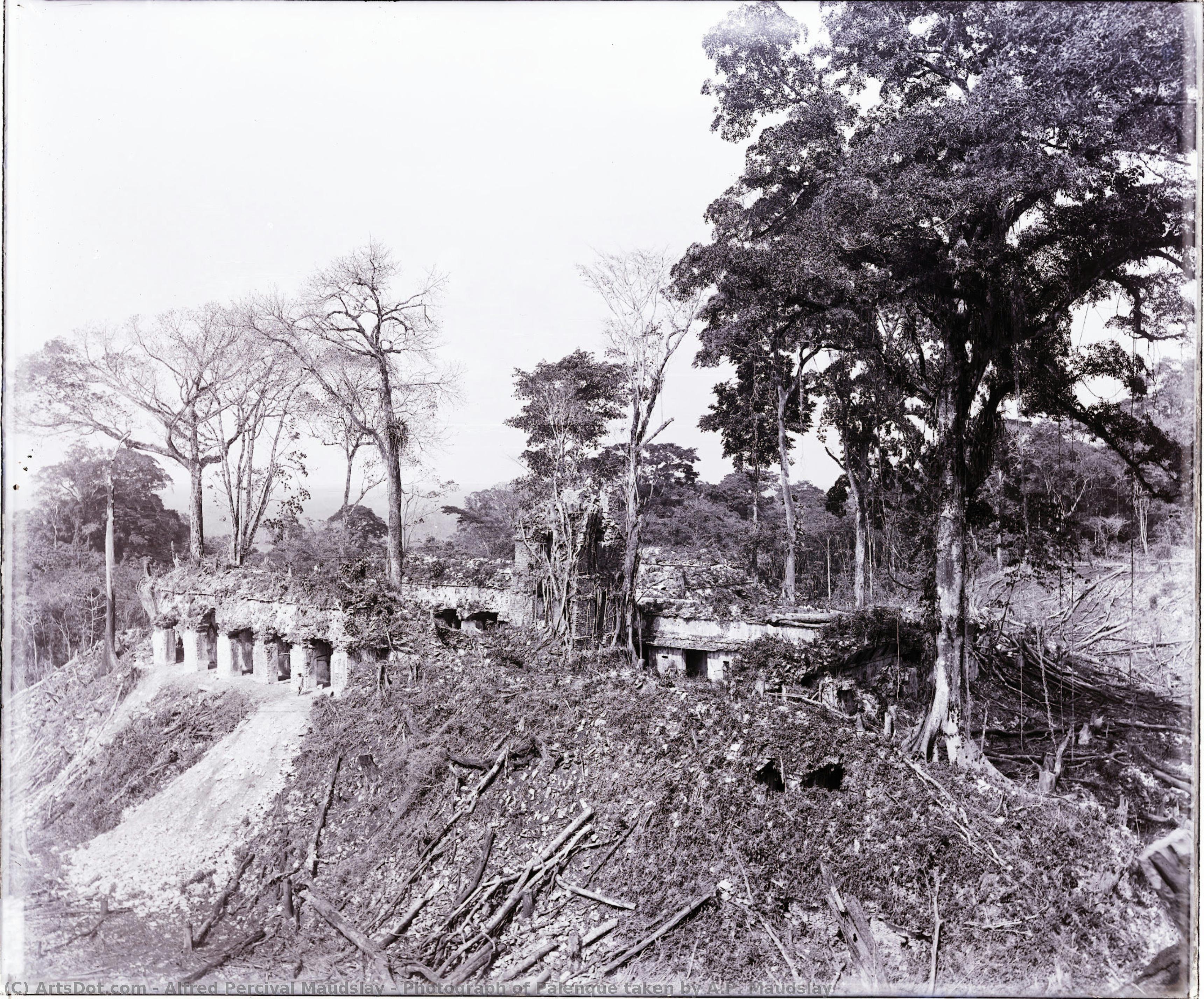
Photograph of Palenque taken by A.P. Maudslay
 Acrylic On Canvas
- WallArt
- Documentary Photography
 1894
1894 25.0 x 30.0 cm
 British Museum
 Read More
Purchase a high-resolution, enhanced digital image, far superior to the online preview.
Each file is meticulously prepared by our in-house specialists using advanced tools and expert manual retouching. We ensure every image has exceptional clarity, precise color accuracy, and fine detail.
The final file is delivered via email within 72 hours, optimized for immediate use in professional, editorial, and print environments. This is the same quality trusted by top-tier design studios, publishers, and galleries.
Digital Image
Download a high-resolution file for personal display, printing, and creative projects. ( Buy Print Buy Hand Made Painting)
Included in Every Digital Image Order
Expert Digital Delivery, Guaranteed
When you choose ArtsDot.com, you're not just getting an image - you're receiving a professionally enhanced digital artwork, crafted with precision and backed by a satisfaction guarantee. Here's everything that comes with your order, automatically:

Fast Email Delivery
Your high-resolution digital image file will be emailed to you within 72 hours of ordering - ready for immediate use.

AI-Enhanced Digital File
Your artwork is professionally optimized using advanced AI tools and manual editing, ensuring maximum detail, clarity, and color accuracy.

Free Lifetime Re-Delivery
Accidentally deleted or lost your file? No worries - we'll resend it to you anytime, free of charge.

No Import Fees - Ever
Enjoy your artwork instantly with zero customs, duties, or delivery fees - digital downloads are always tax-free.

Color Accuracy Guarantee
We ensure your digital image reflects the original colors as closely as possible using professional tools and color management.

60-Day Satisfaction Guarantee
If you're not satisfied with your digital image, we'll revise it or refund 100% within 60 days - no questions asked.

100% Money-Back Guarantee
Not satisfied? Get a full refund within 60 days of receiving your digital file - no questions asked.

Bulk Order Discounts
Buy 3 images, save 10% - Buy 5, save 15% - Buy 10+, save 20%. Great for creative projects, galleries, and agencies.
A Glimpse into Lost Worlds: Maudslay’s Palenque Photograph
Alfred Percival Maudslay's 1894 photograph of the ruins of Palenque in Mexico is more than a simple depiction of an ancient city; it’s a poignant window into a vanished civilization and a testament to the pioneering work of a dedicated explorer. Captured during his extensive travels throughout Central America for the British Museum, this monochrome image transcends mere documentation, offering a hauntingly beautiful meditation on time, decay, and the enduring allure of the Maya world.
The photograph itself is remarkably intimate, eschewing grand vistas in favor of a carefully composed scene. A winding path, likely constructed by Maudslay himself, leads the eye towards the crumbling remains of structures – primarily the Temple of Inscriptions, recognizable by its distinctive pyramid shape – partially enveloped by the dense, verdant jungle. Scattered amongst the stones and vegetation are several human figures, small in scale against the monumental backdrop, suggesting both the ambition of exploration and the humbling presence of a history far older than any European endeavor.
The Explorer’s Eye: Technique and Context
Maudslay's approach to photography was deeply informed by his archaeological pursuits. He wasn’t simply recording; he was actively engaged in documenting, measuring, and collecting artifacts – a practice that reflects the prevailing attitudes of colonial-era explorers. The photograph was likely produced on a glass plate negative, a relatively new technology at the time, demanding meticulous control over exposure and development to achieve the subtle tonal range visible today. The resulting image possesses a characteristic ‘daguerreotype’ quality—a soft focus and slightly muted colors indicative of the photographic processes prevalent in the late 19th century.
Crucially, Maudslay wasn't merely an observer; he was a meticulous scholar and ethnographer. He meticulously documented the glyphs and architecture of Palenque, believing that understanding these elements held the key to unlocking the secrets of the Maya civilization. His work extended beyond photography, encompassing detailed drawings, notes, and even the acquisition of Mayan artifacts – a practice that, viewed through a modern lens, raises complex ethical considerations regarding cultural appropriation.
Symbolism in Stone and Shadow
The photograph’s power lies not just in its technical merit but also in its evocative symbolism. The overgrown ruins represent the relentless march of time and nature's inevitable reclamation of human endeavors. The jungle, teeming with life, subtly suggests a continuity that transcends the collapse of Palenque’s political and social structures. The small figures within the frame serve as reminders of humanity’s fleeting presence against the backdrop of an ancient legacy.
Furthermore, the monochrome palette contributes to a sense of melancholy and timelessness. The absence of color emphasizes the textures – the rough-hewn stone, the tangled roots, the weathered wood – inviting viewers to contemplate the physical realities of Palenque’s decline. The play of light and shadow creates an atmosphere of mystery, hinting at untold stories buried within the ruins.
A Legacy Preserved: Reproduction and Appreciation
Today, Maudslay's photograph stands as a remarkable artifact, offering a rare glimpse into a lost world. Reproductions, such as those offered by ArtsDot.com, allow us to appreciate the detail and artistry of his work while acknowledging its complex historical context. When considering a reproduction, it’s important to recognize that this image represents not just a scene but also the perspective – and the biases – of an explorer navigating a world vastly different from our own. It is a powerful reminder of the enduring fascination with ancient civilizations and the ongoing quest to understand their stories.
Related Artworks
Artist Biography
**early life and education**
alfred percival maudslay, a british colonial administrator and archaeologist, was born on 18 march 1850 in london into a wealthy family. he studied natural sciences at trinity hall, cambridge, obtaining a ba in 1872.**career and travels**
maudslay's early plans for a medical career were deferred as he travelled with his brother, touring central america, mexico, and parts of the united states. this journey sparked an interest in archaeology, which would later define his legacy. after returning home, maudslay again postponed medical school to travel to iceland in 1873. his chronic bronchitis led him to seek a warmer climate, leading to a series of positions in jamaica, trinidad, and eventually, the south pacific.**archaeological contributions**
maudslay's time in the british pacific colonies laid the groundwork for his future archaeological pursuits. he became interested in collecting ethnographic materials, which would eventually contribute to the formation of the university museum of archaeology and ethnology at cambridge. his friend, ornithologist osbert salvin, encouraged maudslay to explore the maya ruins of quiriguá and copán.**notable achievements**
* maudslay was the first to describe the site of yaxchilán. * he explored chichén in the 1880s, taking extensive photographs. * published the first long-form description of chichen itza in his book, biologia centrali-americana. * made a complete translation with annotations of bernal díaz del castillo's historia, which remains the standard english edition.**artistic legacy**
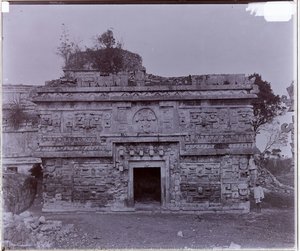
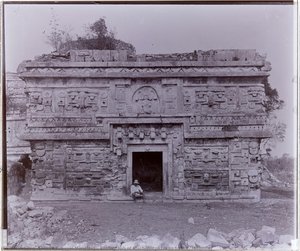
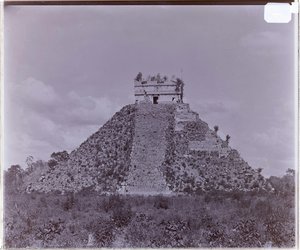
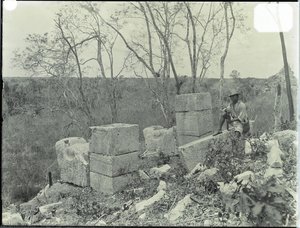
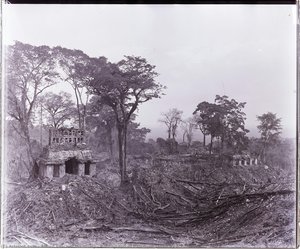
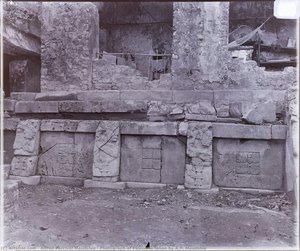
maudslay's photographs and writings have been preserved, offering a unique glimpse into the world of 19th-century archaeology. his work can be found in various museums, including the british museum (london, united kingdom), which houses several of his photographs.- photograph of chichén itzá taken by a.p. maudslay (16 x 21 cm, british museum, photograph)
- photograph of chichén itzá taken by a.p. maudsly (25 x 30 cm, british museum, photograph)
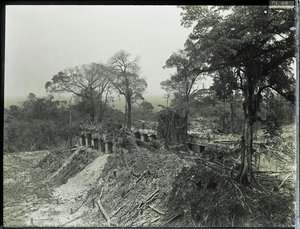
- photograph of copán taken by a.p. maudslay (31 x 25 cm, british museum, photograph)
**conclusion**
alfred percival maudslay's legacy is a testament to the power of curiosity and exploration. from his early days as a colonial administrator to his later years as an archaeologist, maudslay's work continues to inspire and educate.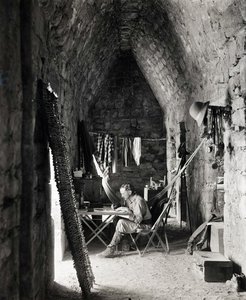
alfred percival maudslay
1850 - 1931 , United Kingdom
Quick Facts
- Artistic Movement Or Style: Archaeology/Photography
- Date Of Birth: 1850
- Date Of Death: 1931
- Full Name: Alfred Percival Maudslay
- Nationality: British
- Notable Artworks: ['Photograph of Chichén Itzá']
- Place Of Birth: London, United Kingdom

