 Preview
 Send
Send Share
Share
 Details

 Download
 Similars
 X-Ray
X-Ray Diaporama
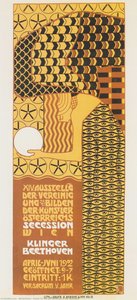
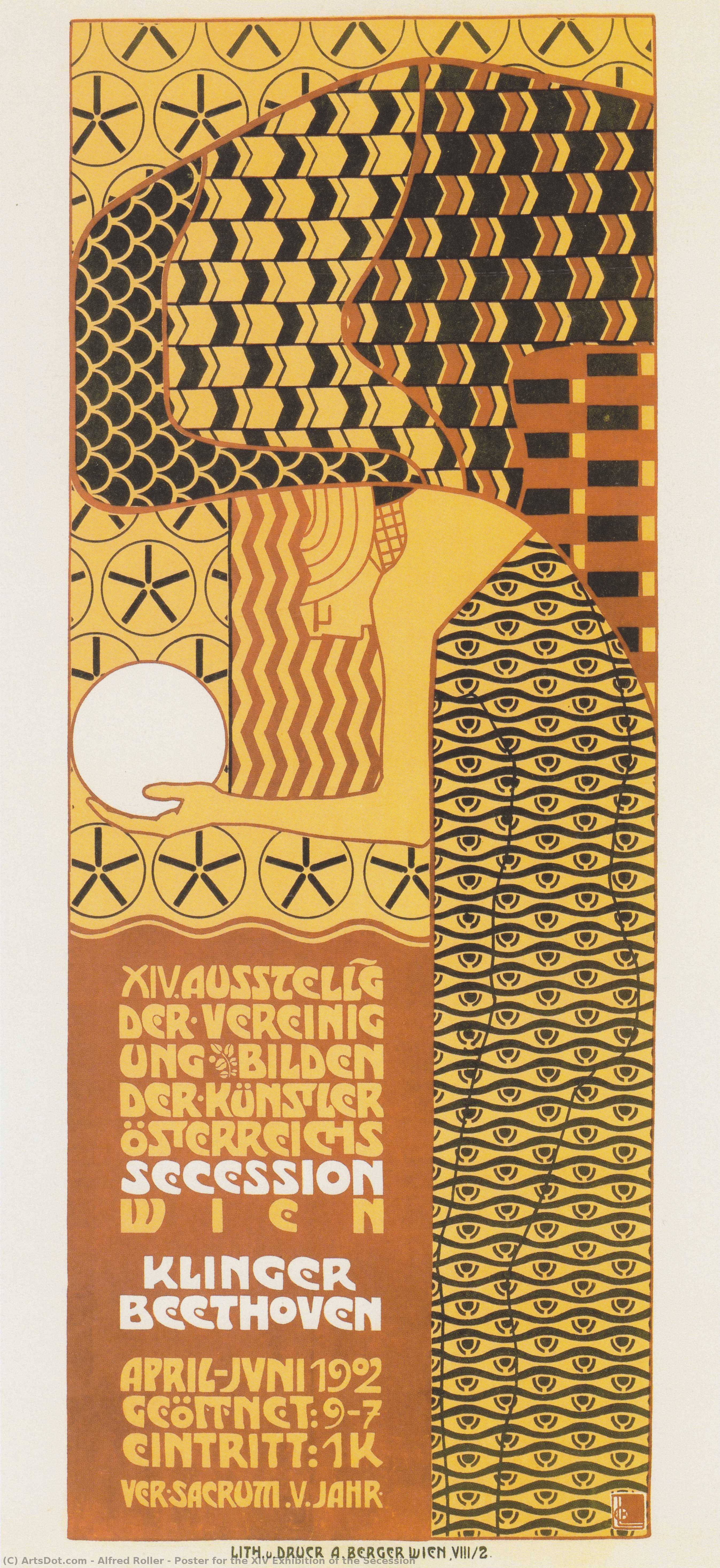
Poster for the XIV Exhibition of the Secession

 Read More
Hand Made Oil Reproduction
Hand-painted oil on canvas in your size and frame, made to order by our artists. ( Buy Print Buy Image)




































Pick from our preset sizes that match the artwork's original proportions.

You may enter your own dimensions to fit a specific frame or space. If your selected size does not match the original image's proportions, we will either crop the artwork or extend the painting with additional hand-painted elements. A digital mockup will be sent for your approval before production begins.
Please note that the on-screen preview does not reflect the actual cropping or extension. Only the mockup will accurately show the final composition.
While custom sizes are available, we recommend selecting a dimension from the predefined list to preserve the original proportions.
After order, ArtsDot.com team will email client for instructions and provide a mockup preview
Worldwide Delivery () in 3/4 weeks instead of standard 5 weeks. (27 August). No compromise on quality.

Free Worldwide Express Shipping

High-Quality Linen Canvas

Full Shipping Insurance

Customs Tax Refund Guarantee

True Color Matching Guarantee

60-Day Return Policy (Defects Only)

100% Money-Back Guarantee

Bulk Discount Offer
 Glass option is only available in size under 110 CM

Poster for the XIV Exhibition of the Secession
Reproduction Medium
Reproduction Size
-


Total Price
$ 263
Related Artworks
Artist Biography
Henri de Toulouse-Lautrec: A Parisian Visionary
Born Henri Marie Raymond de Toulouse-Lautrec-Montfa in 1864, the future artist’s life was profoundly shaped by a confluence of aristocratic heritage and physical adversity. His birth into the wealthy Toulouse-Lautrec family of southern France afforded him an initial privileged existence, but a childhood accident—a fall from a horse that shattered both his legs—left him with a permanently stunted stature. This physical difference became inextricably linked to his artistic vision, fueling a desire to capture the world as he perceived it, unfiltered by conventional beauty standards.
Early exposure to art and design within his family’s circle laid the groundwork for his future pursuits. However, it was in Paris during the late 19th century that Toulouse-Lautrec truly blossomed, immersing himself in the vibrant, often decadent, world of bohemian nightlife. This immersion wasn't merely observational; he actively sought out the marginalized and unconventional – prostitutes, dancers, musicians, and performers – transforming them into the subjects of his most celebrated works. His fascination with this underbelly of Parisian society was not driven by mere sensationalism but a genuine attempt to document and understand a rapidly changing urban landscape.
The Influence of Post-Impressionism and Beyond
Toulouse-Lautrec’s artistic development is often categorized within the broader movement of Post-Impressionism, though he resisted such labels. He shared affinities with artists like Paul Cézanne, Vincent van Gogh, Paul Gauguin, and Georges Seurat – all grappling with the limitations of Impressionism and seeking new ways to represent reality. However, Lautrec’s approach diverged significantly. Unlike these contemporaries who often focused on formal experimentation, Toulouse-Lautrec prioritized capturing the *essence* of his subjects—their emotions, their movements, and the atmosphere of the spaces they inhabited.
His use of bold outlines, flattened perspectives, and a deliberately rough brushstroke created a sense of immediacy and dynamism that set him apart. He wasn’t interested in replicating photographic realism; instead, he employed a highly stylized approach to convey mood and character. The influence of Japanese prints—particularly *ukiyo-e* – is also evident in his compositions, particularly the use of bold outlines and flattened space.
A World of Nocturnal Scenes
Toulouse-Lautrec’s oeuvre is dominated by scenes from Parisian nightlife: cabarets, dance halls, brothels, and gambling dens. He meticulously documented these spaces, capturing their energy, their clientele, and the fleeting moments of human interaction. His paintings are not merely depictions of physical locations; they are portraits of a particular time and place—a vibrant, often chaotic, reflection of Parisian life at the turn of the century.
Notable works like *At the Moulin Rouge* (1892-93) and *Jane Avril Playing Poker* (1897) exemplify his ability to capture movement and emotion with remarkable precision. He employed a technique of multiple sketches, building up layers of paint to achieve a sense of spontaneity and immediacy. His use of color was equally expressive—bold reds, yellows, and blues were often used to heighten the drama and create a visually arresting effect.
Legacy and Recognition
Despite facing significant personal struggles – including bouts of alcoholism and depression – Toulouse-Lautrec achieved considerable recognition during his lifetime. His work was exhibited in major galleries throughout Europe and America, and he became a celebrated figure in Parisian artistic circles. The auction sale of *La Blanchisseuse* (1905) for an unprecedented sum underscored the growing appreciation for his art.
Today, Toulouse-Lautrec’s legacy endures as one of the most distinctive and beloved artists of the late 19th century. His bold style, his unflinching portrayal of Parisian life, and his ability to capture the essence of human emotion continue to resonate with audiences worldwide. His work remains a powerful testament to the transformative power of art and its capacity to illuminate the complexities of the human experience.
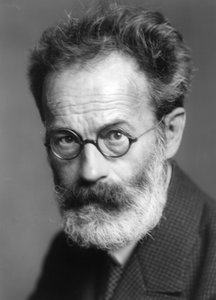
alfred roller
1864 - 1935 , Austria
Quick Facts
- Artistic Movement Or Style: Post-Impressionism
- Artists Or Movements Influenced By This Artist: ['George Seurat']
- Artists Who Influenced This Artist:
- Paul Cézanne
- Vincent van Gogh
- Date Of Birth: November 24, 1864
- Date Of Death: September 9, 1901
- Full Name: Henri Marie Raymond de Toulouse-Lautrec
- Nationality: French
- Notable Artworks:
- La Blanchisseuse
- Moulin de la Galette
- Place Of Birth: Camjac, Aveyron, France