 Preview
 Send
Send Share
Share
 Details

 Download
 Similars
 X-Ray
X-Ray Diaporama
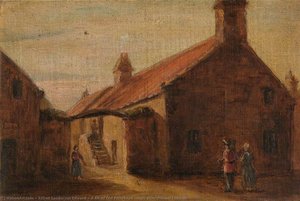
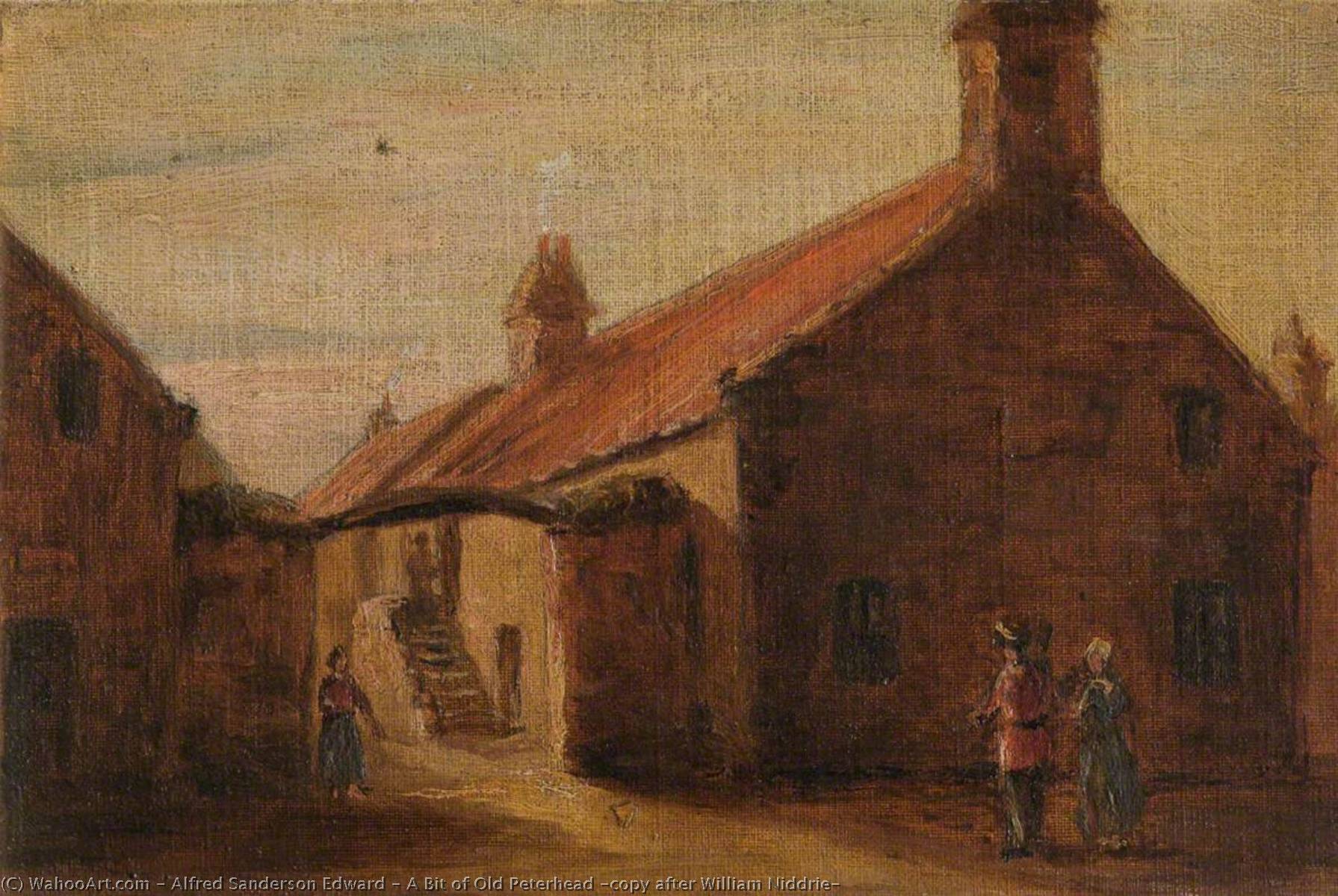
A Bit of Old Peterhead (copy after William Niddrie)
 1910
1910 15.0 x 23.0 cm
 Mintlaw Discovery Centre
 Read More
Giclée / Art Print
Museum-quality giclée or canvas print with fast production and flexible finish options. ( Buy Hand Made Painting Buy Image)




































Pick from our preset sizes that match the artwork's original proportions.

You may enter your own dimensions to fit a specific frame or space. If your selected size does not match the original image's proportions, we will either crop the artwork or extend the image with a mirrored or solid-fill edge. A digital mockup will be sent for your approval before production begins.
Please note that the on-screen preview does not reflect the actual cropping or extension. Only the mockup will accurately show the final composition.
While custom sizes are available, we recommend selecting a dimension from the predefined list to preserve the original proportions.
Worldwide Delivery () in 2 weeks instead of standard 4/5 weeks. (25 August)

Free Worldwide Express Shipping

High-Quality Linen Canvas

Full Shipping Insurance

Customs Tax Refund Guarantee

True Color Matching Guarantee

60-Day Return Policy (Defects Only)

100% Money-Back Guarantee

Bulk Discount Offer
 Glass option is only available in size under 110 CM

A Bit of Old Peterhead (copy after William Niddrie)
Giclée / Art Print
Reproduction Size
-


Total Price
$ 63
Related Artworks










Artist Biography
A Vision of Coastal Britain: Exploring the Artistry of Alfred Sanderson Edward
Alfred Sanderson Edward (born circa 1865, Scotland) emerged as a prominent watercolorist during the late Victorian era, establishing himself as a masterful interpreter of the rugged beauty of the Scottish coastline and harbors. His distinctive style—characterized by luminous washes, meticulous detail, and an unwavering commitment to capturing atmospheric conditions—earned him recognition within the British art community and cemented his legacy as one of Scotland’s most celebrated landscape painters. Edward's artistic journey began amidst a burgeoning interest in plein air painting, influenced heavily by Impressionist techniques championed by artists like Claude Monet and Frédéric Bazille. However, unlike many Impressionists who sought to depict fleeting moments of light and color, Edward possessed an exceptional ability to convey the enduring character of his subjects—the weathered stone piers of Cromarty Firth, the turbulent seas crashing against Moray Firth’s shores, and the serene tranquility of Loch Long—with remarkable accuracy. This dedication to realism was tempered by a subtle sensitivity to tonal variations and textural nuances, resulting in paintings that possessed both visual splendor and profound emotional resonance.- Early Influences: Edward's formative years were spent absorbing the artistic traditions of Scotland, particularly the Romantic landscape painters who celebrated the grandeur of Highland scenery. Artists such as William Turner and John Constable instilled in him a deep appreciation for capturing dramatic vistas and conveying sublime emotions.
- Technical Mastery: Edward’s technique involved layering thin washes of watercolor pigment onto prepared paper, meticulously blending colors to achieve subtle gradations and creating textures that mirrored the natural world. He favored using Prussian blue and ultramarine pigments—renowned for their ability to produce rich blues—to depict the deep hues of seawater and sky.
- Notable Works: Among Edward’s most celebrated paintings are “Banff Harbour from the North West” (1897), a breathtaking depiction of Cromarty Firth bathed in misty sunlight, and “Moray Firth Sunset” (1903), which captures the fiery glow of twilight over Loch Ness. These works exemplify his masterful command of watercolor and his profound understanding of atmospheric perspective.
Quick Facts
- Artistic Movement Or Style: Romantic Landscape Painting
- Artists Or Movements Influenced By This Artist: ['Hudson River School']
- Artists Who Influenced This Artist:
- George Caleb Bingham
- John Constable
- Date Of Death: Living
- Full Name: Alfred Sanderson Edward
- Nationality: Scottish
- Notable Artworks: ['Banff Harbour from the North West']
- Place Of Birth: Glasgow, Scotland