 Preview
 Send
Send Share
Share
 Details

 Download
 Similars
 X-Ray
X-Ray Diaporama
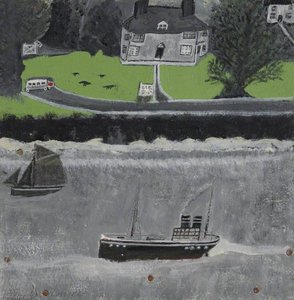
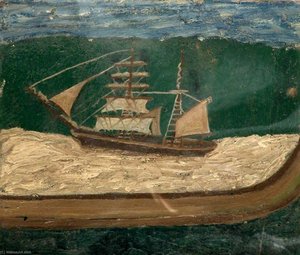
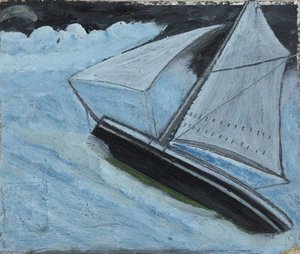
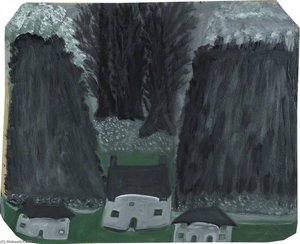
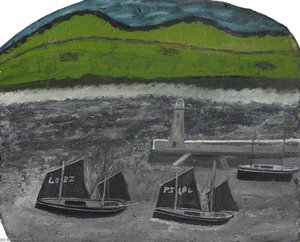
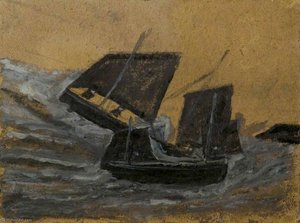
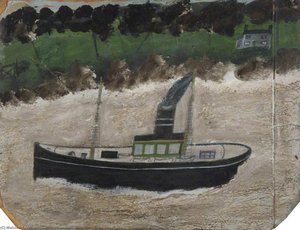
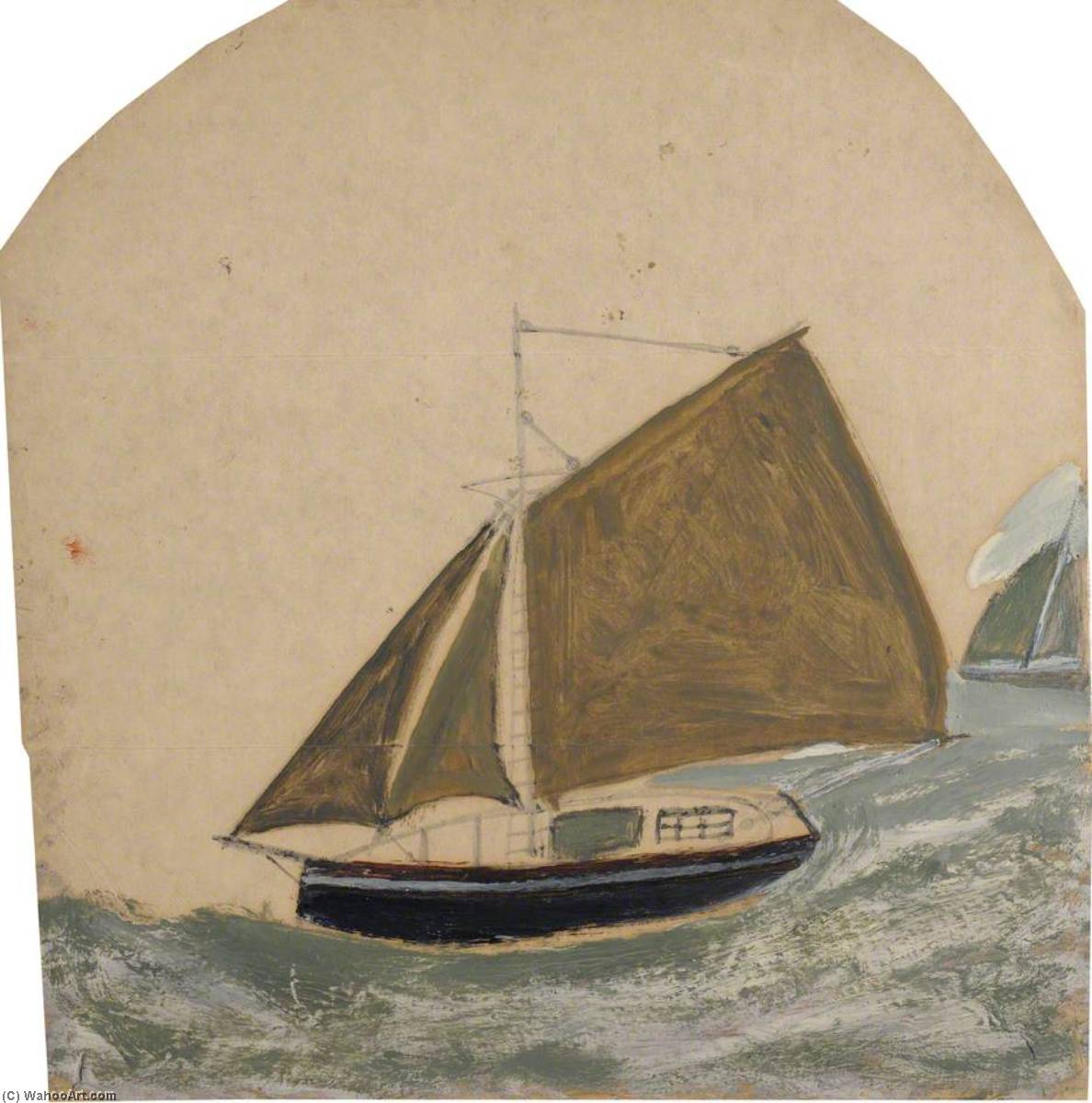
Two Ships with Brown Green Sails in Rising Sea
 Acrylic On Canvas
- WallArt
- Coastal Modernism
 19th Century
 23.0 x 22.0 cm
 Kettle's Yard
 Read More
Giclée / Art Print
Museum-quality giclée or canvas print with fast production and flexible finish options. ( Buy Hand Made Painting Buy Image)




P118B $10

P118H $10

P118W $10

P438Z $10

P508JH $12

P508YH $12

P805H $10

P805Z $10

P919BZ $10

P919G $10

P919XJ $10

P959ZH $10

P968JZ $12

W106C $8

W218G $10

W218JH $8

W218Y $10

W307PJ $10

W316G $10

W316PJ $8

W316Y $10

W398PJ $8

W4111J $10

W500HY $15

W500JH $15

W692G $12

W849H $8

W940BG $15

W953PJ $8




Pick from our preset sizes that match the artwork's original proportions.

You may enter your own dimensions to fit a specific frame or space. If your selected size does not match the original image's proportions, we will either crop the artwork or extend the image with a mirrored or solid-fill edge. A digital mockup will be sent for your approval before production begins.
Please note that the on-screen preview does not reflect the actual cropping or extension. Only the mockup will accurately show the final composition.
While custom sizes are available, we recommend selecting a dimension from the predefined list to preserve the original proportions.
Worldwide Delivery () in 2 weeks instead of standard 4/5 weeks. (23 August)

Free Worldwide Express Shipping

High-Quality Linen Canvas

Full Shipping Insurance

Customs Tax Refund Guarantee

True Color Matching Guarantee

60-Day Return Policy (Defects Only)

100% Money-Back Guarantee

Bulk Discount Offer
 Glass option is only available in size under 110 CM

Two Ships with Brown Green Sails in Rising Sea
Giclée / Art Print
Reproduction Size
-


Total Price
$ 63
Collectible Description
Alfred Wallis’s ‘Two Ships with Brown Green Sails in Rising Sea’: A Cornish Mariner’s Echo
ArtsDot presents a meticulously crafted hand-painted reproduction of Alfred Wallis's “Two Ships with Brown Green Sails in Rising Sea,” a work that embodies the artist’s singular vision – a direct and unwavering response to the elemental forces of the Cornish coast. This painting, measuring 23 x 22 cm, isn’t merely a depiction of two boats; it’s an immersion into the very soul of the sea, rendered with a startlingly simple yet profoundly evocative technique. The work's quiet power stems from Wallis’s unique position as a shipbuilder turned artist, a confluence of practical knowledge and artistic intuition that shaped his entire oeuvre.
A Life Forged in Timber and Tide
Born in Devonport in 1855, Alfred Wallis’s life was inextricably linked to the sea. His early years were spent mastering the craft of shipbuilding – a lineage passed down through generations of Cornish families. This hands-on experience wasn't simply vocational; it instilled within him an unparalleled understanding of form, texture, and the inherent beauty of natural materials. Unlike many artists of his time who sought classical training or embraced academic conventions, Wallis deliberately rejected formal instruction, choosing instead to draw directly from his lived reality. The result is a body of work that feels utterly authentic, stripped bare of artifice and brimming with raw observation.
Style and Technique: A Return to Primitivism
Wallis’s style can be characterized as a deliberate return to primitivism – a reaction against the prevailing trends of Impressionism and Post-Impressionism. He eschewed elaborate brushwork and complex compositions, favoring bold, reductive forms and flat planes of color. The painting's technique is remarkably direct; thick impasto strokes build up the surfaces of the boats and waves, creating a tactile quality that invites close inspection. The limited palette – dominated by browns, greens, and blues – further enhances this sense of immediacy, recalling the muted tones of the sea itself. The simplified forms of the ships, almost geometric in their construction, contribute to the painting’s powerful sense of stillness and contemplation.
Symbolism and Emotional Resonance
“Two Ships with Brown Green Sails in Rising Sea” transcends a simple maritime scene; it speaks to fundamental human themes of navigation, vulnerability, and the relationship between humanity and nature. The rising sea suggests both potential danger and opportunity – a metaphor for life’s unpredictable currents. The two ships, closely positioned yet distinct, could represent companionship or perhaps the precarious balance between order and chaos. The presence of figures on board adds to this sense of human drama, hinting at the stories and experiences that unfold within these small vessels against the vastness of the ocean. This painting evokes a powerful emotional response – a feeling of awe, solitude, and a deep connection to the timeless rhythms of the sea.
Related Artworks

Artist Biography
The Cornish Mariner’s Vision
Alfred Wallis (1855-1942) stands apart from the traditional artistic landscape of his era—a figure whose quiet simplicity belies a profound engagement with observation and an unwavering dedication to capturing the essence of coastal Cornwall. Born in Devonport, England, Wallis possessed no formal art training; he was a self-taught craftsman who worked as a shipbuilder for much of his life, shaping timbers into vessels that sailed the Atlantic waters. This practical, hands-on mastery instilled in him a meticulous attention to detail and an intimate understanding of materials that would later translate into his evocative paintings. His formative years were spent honing skills in shipbuilding, a trade passed down through generations of Cornish families, which provided him with a unique, visceral connection to the maritime world he would eventually immortalize on canvas.
It was not until the 1920s that Wallis’s artistic career truly blossomed, following his relocation to the vibrant artistic enclave of St Ives, Cornwall. Drawn by the creative energy of this community—which included notable figures such as Ben Burrell and George Nash—he began producing a prolific series of works depicting boats, harbors, and landscapes bathed in the distinctive Cornish light. His aesthetic is undeniably unique, characterized by flattened perspectives, bold outlines, and a muted color palette dominated by deep blues and sea-greens. Wallis’s work embodies the principles of naive art, a style rooted in direct sensory experience rather than intellectualized academic theory. He eschewed complex compositions and elaborate brushstrokes, prioritizing clarity and an immediate, emotional impact.
A Legacy of Maritime Memory
The significance of Wallis's contribution to art lies in his ability to transform the mundane elements of seafaring life into something deeply spiritual and atmospheric. His paintings are not merely representations of places; they are imbued with a palpable sense of movement and memory. Through works such as Trawler and Boat, one can sense the weight of the Atlantic and the rhythmic pulse of the tides. Even in more turbulent compositions like Rough Sea, his expressive style and evocative brushwork capture the raw power of the ocean through a lens of folk art tradition. By rejecting the rigid academic conventions of his time, Wallis achieved a level of honesty that resonates with viewers seeking a connection to the elemental forces of nature.
His historical importance is cemented by his role as a bridge between the rugged reality of maritime labor and the modern art movements of the 20th century. While he lacked formal instruction, his "primitive" approach offered a refreshing alternative to the sophisticated techniques of the era, influencing how we perceive the relationship between subject and medium. His life's work remains a testament to the power of the untrained eye, proving that true artistic vision often emerges from a deep, lifelong intimacy with one's surroundings. Today, his legacy continues to inspire those drawn to the charm of Cornish life and the timeless beauty of the sea.
Alfred Wallis
1855 - 1942 , United Kingdom
Quick Facts
- Artistic Movement Or Style: Naive painting
- Artists Or Movements Influenced By This Artist: ['Cornish Art']
- Artists Who Influenced This Artist: ['']
- Date Of Birth: August 8, 1855
- Date Of Death: August 29, 1942
- Full Name: Alfred Wallis
- Nationality: British
- Notable Artworks:
- Boat
- Trawler
- Three Masted Ship near Lighthouse
- Place Of Birth: Devonport, United Kingdom
Related Articles

Shipping & Returns
APS delivers expert worldwide art shipping with museum-grade care, full tracking, and a 30-day money-back guarantee. From customs support to Priority Production, trust transparent service, secure packaging, and reliable delivery for collectors, designers, and galleries.
Sir Alfred Munnings' Masterpieces: 25 Paintings That Define Equine Art | ArtsDot
Explore 25 iconic Sir Alfred Munnings paintings! Discover the beauty of British Impressionism, equine art & rural England. Find museum-quality reproductions and elevate your home decor with ArtsDot. Explore the full collection online.
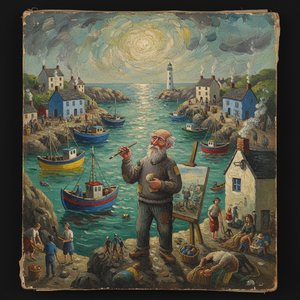
Alfred Wallis: Rediscovering the Naïve Visionary of Cornish Life
Discover the captivating world of Alfred Wallis, the self-taught Cornish painter championed by modernists. Explore his unique naive style, maritime scenes & lasting legacy with ArtsDot.
Evoking the Horizon: A Historical & Artistic Exploration of Coastal Scenes in Painting
Explore the rich history of coastal scenes in painting! Discover Impressionist masterpieces, American realism & contemporary visions. Learn about renowned artists and find your perfect seascape at ArtsDot.
Rosy Brown Hues: 10 Master Paintings & Timeless Decor Ideas |
Explore 10 iconic paintings bathed in captivating rosy brown tones! From Rembrandt to Titian, discover the stories behind these masterpieces & their warm color palettes. Find museum-quality art reproductions and decor inspiration at .