

 Preview
 Send
Send Share
Share
 Details

 Download
 Similars
 X-Ray
X-Ray Diaporama
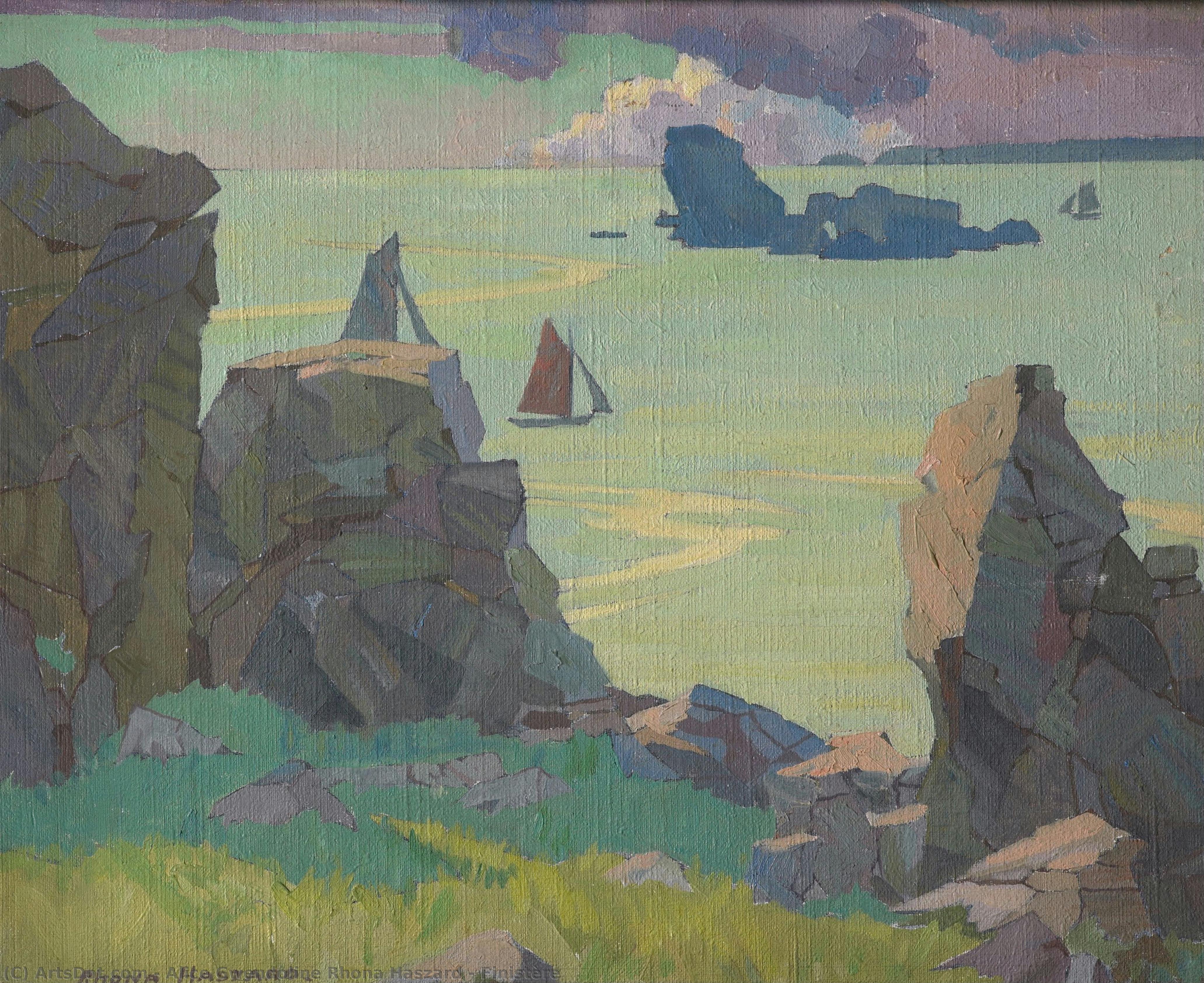
Finistère


 Read More
Hand Made Oil Reproduction
Hand-painted oil on canvas in your size and frame, made to order by our artists. ( Buy Print Buy Image)




P118B $10

P118H $10

P118W $10

P438Z $10

P508JH $12

P508YH $12

P805H $10

P805Z $10

P919BZ $10

P919G $10

P919XJ $10

P959ZH $10

P968JZ $12

W106C $8

W218G $10

W218JH $8

W218Y $10

W307PJ $10

W316G $10

W316PJ $8

W316Y $10

W398PJ $8

W4111J $10

W500HY $15

W500JH $15

W692G $12

W849H $8

W940BG $15

W953PJ $8




Pick from our preset sizes that match the artwork's original proportions.

You may enter your own dimensions to fit a specific frame or space. If your selected size does not match the original image's proportions, we will either crop the artwork or extend the painting with additional hand-painted elements. A digital mockup will be sent for your approval before production begins.
Please note that the on-screen preview does not reflect the actual cropping or extension. Only the mockup will accurately show the final composition.
While custom sizes are available, we recommend selecting a dimension from the predefined list to preserve the original proportions.
After order, ArtsDot.com team will email client for instructions and provide a mockup preview
Worldwide Delivery () in 3/4 weeks instead of standard 5 weeks. (17 August). No compromise on quality.

Free Worldwide Express Shipping

High-Quality Linen Canvas

Full Shipping Insurance

Customs Tax Refund Guarantee

True Color Matching Guarantee

60-Day Return Policy (Defects Only)

100% Money-Back Guarantee

Bulk Discount Offer
 Glass option is only available in size under 110 CM

Finistère
Reproduction Medium
Reproduction Size
-


Total Price
$ 263
Artwork Description
A Coastal Symphony: Rhona Haszard’s “Finistère”
Rhona Haszard's "Finistère," painted in 1926, isn’t merely a depiction of the rugged Breton coastline; it’s an immersive experience—a vibrant distillation of light, color, and the enduring spirit of the sea. Created during a pivotal period of her artistic evolution, this marine landscape captures a fleeting moment on a journey between the harbors of Concarneau and Camaret, nestled within the department of Finistère in France. The painting’s genesis lies in Haszard's travels with her husband, Leslie Greener, a bohemian artist seeking inspiration amidst the dramatic beauty of Brittany – a region already steeped in artistic tradition, having hosted luminaries like Paul Gauguin and Vincent van Gogh.
The scene unfolds from an elevated vantage point, offering a carefully orchestrated vista. Angular rock formations dominate the foreground, rendered not with photographic realism but through a mosaic-like technique—a deliberate fragmentation of color that defines their form and imbues them with a sense of dynamic energy. These blocks of creamy purple, pink, violet, and verdant green are juxtaposed against the cool blues and greys of the sky and water, creating a dazzling visual harmony. The fishing boats, rendered as stylized silhouettes against the horizon, add depth and a subtle narrative element, hinting at the livelihoods inextricably linked to this coastline.
Post-Impressionist Flair: Technique and Texture
Haszard’s style in “Finistère” firmly establishes her move towards a vibrant, decorative post-impressionism. She abandons meticulous detail for an expressive approach, prioritizing color and texture above strict representation. The impasto technique—the thick application of paint—is particularly evident in the rocky outcrops, creating a velvety surface that seems to pulse with life. This tactile quality invites the viewer to reach out and almost feel the rough texture of the stone beneath their fingertips. Brushstrokes are visible and assertive, contributing to the painting’s overall sense of movement and energy – a deliberate departure from the smoother surfaces favored by earlier Impressionists.
The use of complementary colors—the interplay between purple and green, for instance—amplifies the vibrancy of the scene, while atmospheric perspective subtly recedes into the distance, creating an illusion of depth. Haszard’s palette is not simply descriptive; it's emotionally charged, conveying a sense of optimism and vitality that belies the painting’s relatively small scale.
A Story in Color: Symbolism and Context
Beyond its aesthetic appeal, “Finistère” carries layers of symbolic meaning. The rugged coastline itself represents resilience and endurance—a testament to the enduring spirit of the Breton people who have long relied on the sea for their sustenance. The fishing boats evoke a sense of community and tradition, while the journey between Concarneau and Camaret suggests a passage through time and place. It’s important to note that this painting was created during a period of significant artistic experimentation, following in the footsteps of artists who had previously found inspiration in Brittany's dramatic landscapes.
Interestingly, Haszard’s work gained considerable international recognition shortly after its creation. A similar composition, “Sardine Fleet, Brittany,” exhibited at the Paris Salon of 1927, garnered glowing reviews from prominent critics and was subsequently displayed in New Zealand, where it captivated audiences with its bold colors and innovative technique. This success cemented Haszard’s position as a rising star within the burgeoning New Zealand art scene.
A Legacy of Color: Reproduction and Appreciation
Reproductions of “Finistère” capture only a fraction of the painting's original impact, yet they remain a beautiful reminder of Haszard’s artistic vision. Whether adorning a wall in a coastal home or gracing the pages of an art book, this vibrant seascape continues to evoke a sense of tranquility and wonder—a testament to the enduring power of color and light. Its bold palette and dynamic composition make it a captivating addition to any collection, offering a glimpse into the heart of early 20th-century Breton landscape painting.
Related Artworks

Artist Biography
A Life of Vibrant Color: The Legacy of Alice Haszard
The story of Alice Gwendoline Rhona Haszard is one of profound brilliance interrupted by tragedy, a brief but luminous meteor in the constellation of early twentieth-century New Zealand art. Born in Thames in 1901, Haszard possessed an innate sensitivity to light and form that would eventually lead her from the rugged landscapes of her homeland to the avant-garde studios of Paris. Though her life was tragically cut short at the age of thirty, the impact of her work remains a testament to a spirit that refused to be confined by geography or convention. Her journey was not merely one of personal growth, but a daring exploration of color and texture that sought to bridge the gap between colonial tradition and European modernism.
Her artistic evolution began in the southern reaches of New Zealand, where her early years in Hokit and Invercargill provided a rich tapestry of natural scenery. Under the guidance of mentors like Hugh Scott, she began to develop a foundational understanding of composition. However, it was her enrollment at the Canterbury College School of Art in 1919 that truly ignited her creative fire. It was here, under the influence of Archibald Nicoll, that Haszard encountered the revolutionary principles of Impressionism and Fauvism. These movements, characterized by their liberation from strict realism, offered her a new vocabulary of bold pigments and expressive, gestural brushwork that would become her signature.
From New Zealand Shores to the Parisian Avant-Garde
The trajectory of Haszard’s career took a transformative turn in 1925 when she traveled to Paris. This period represented the zenith of her artistic development, as she immersed herself in the heart of the international art world at the prestigious Académie Julian. In the studios of Paris, the echoes of the Fauvist movement—with its emphasis on emotional resonance through non-naturalistic color—found a perfect vessel in her talent. She learned to manipulate light not just as a physical phenomenon, but as an emotional force, using deep blues and vibrant greens to breathe life into her canvases.
During this era of intense creativity, she often navigated the art world under the pseudonym Rhona McKenzie, a choice that allowed her to maintain a distinct professional identity. Her work from this period reflects a sophisticated synthesis of her New Zealand roots and her European training. One can observe in her landscapes a unique tension: the structural integrity learned through formal academic study meeting the wild, uninhibited energy of modernism. This duality gave her paintings a rhythmic quality, where every stroke felt like an intentional movement toward capturing the fleeting essence of a moment.
Artistic Style and Lasting Significance
The technical mastery of Alice Haszard lies in her ability to use texture and palette to evoke atmosphere. Her approach was never about mere imitation; rather, it was about the impression of existence. Her canvases often feature:
- Bold Color Palettes: A daring use of saturated hues, particularly deep emeralds and cerulean blues, which pushed the boundaries of traditional landscape painting.
- Expressive Brushwork: A loose, textured application of paint that created a sense of movement and vitality within her subjects.
- Light and Atmosphere: An emphasis on how light interacts with surfaces, creating a shimmering, almost tactile quality in her depictions of nature.
Though she passed away in 1931, leaving behind an incomplete oeuvre, Haszard’s contribution to the development of New Zealand Impressionism is undeniable. She served as a vital link between the provincial art scenes of the South Pacific and the radical shifts occurring in Europe. Today, her work stands as a poignant reminder of a pioneer who, despite a life lived in the shadows of brevity, managed to capture the enduring brilliance of the natural world through a lens of modern innovation.
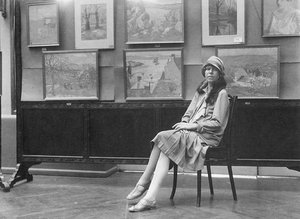
alice gwendoline rhona haszard
1901 - 1931 , New Zealand
Quick Facts
- Artistic Movement Or Style: Impressionism/Fauvism
- Artists Or Movements Influenced By This Artist: ['Impressionists']
- Artists Who Influenced This Artist: ['Hugh Scott']
- Date Of Birth: 1901
- Date Of Death: 1931
- Full Name: Alice Gwendoline Rhona Haszard
- Nationality: New Zealander
- Notable Artworks:
- Finistère
- Sardine fleet, Brittany
- Place Of Birth: Thames, New Zealand
Related Articles

Cézanne's Masterpieces: 25 Iconic Artworks to Transform Your Space
Journey through 25 iconic artworks by Paul Cézanne – a master of Impressionism and Post-Impressionism. Explore his landscapes, still lifes, and the stories behind these timeless masterpieces. Discover museum-quality reproductions & curated decor at ArtsDot.com.

Beyond the Horizon: 10 Landscape Masterpieces for Your Home Decor
Journey through 10 breathtaking landscape paintings by Monet, Van Gogh & more! Explore iconic artworks, artistic techniques & find inspiration for your home decor. Museum-quality reproductions at ArtsDot.com. Discover all masterpieces on ArtsDot.com

Evocations of Place: A Historical Journey Through Landscape Art
Explore the rich history of landscape art with ArtsDot. Discover renowned artists, movements like Impressionism & Romanticism, and expert guidance for collecting timeless pieces. Find your perfect serene escape today!

Impressionistic Landscapes: 10 Masterpieces That Changed Art & Decor
Journey into the heart of Impressionism! Explore 10 masterpieces by Monet, Renoir & Degas that revolutionized landscape art. Discover their stories, techniques & find museum-quality reproductions to elevate your home decor on ArtsDot.com.
Evocations of Place: A Historical Journey Through Landscape Art
Explore the rich history of landscape art with ArtsDot. Discover renowned artists, movements like Impressionism & tonalism, and expert guidance for collecting timeless pieces. Find your perfect serene escape today!

