

 Preview
 Send
Send Share
Share
 Details

 Download
 Similars
 X-Ray
X-Ray Diaporama
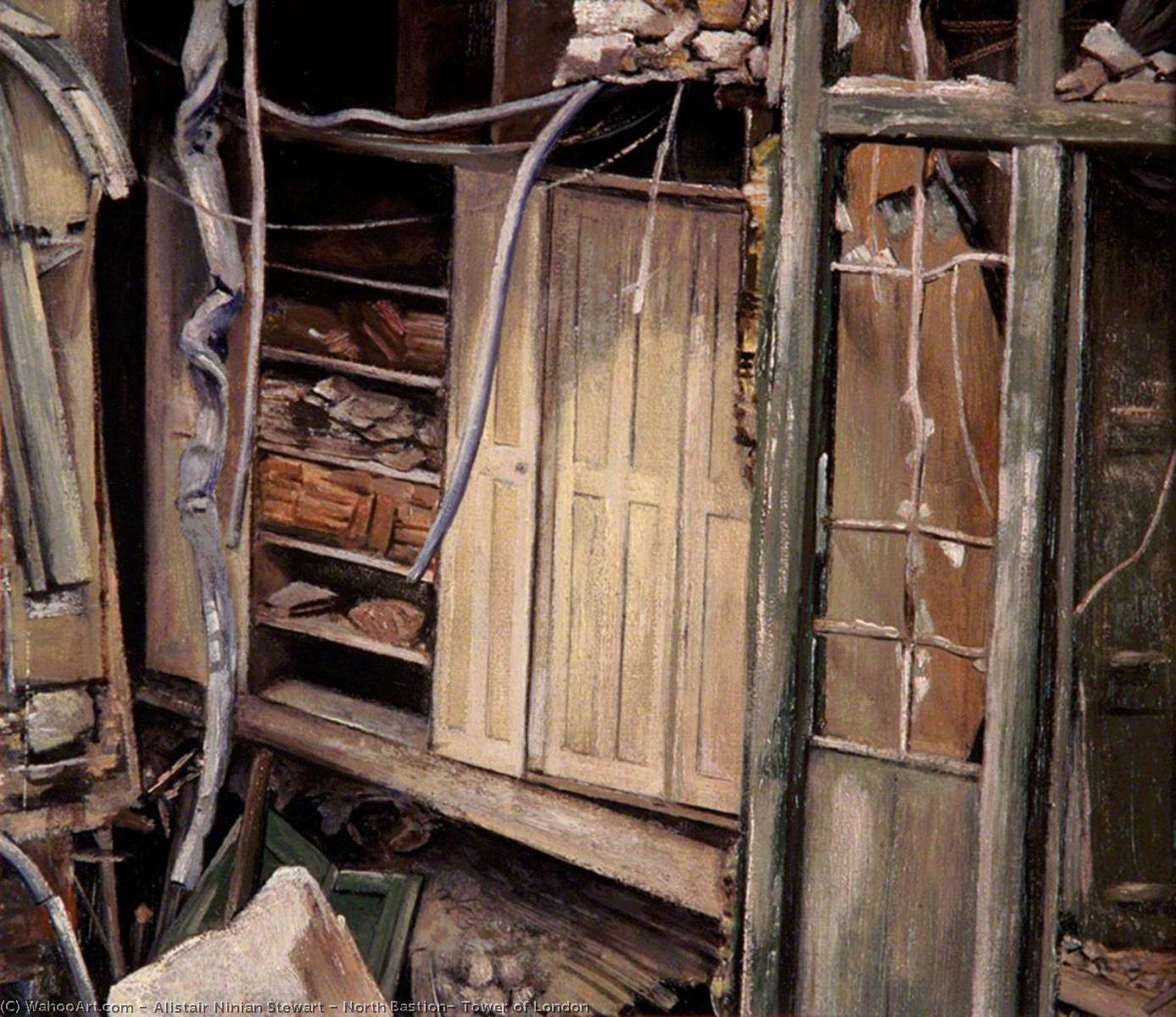
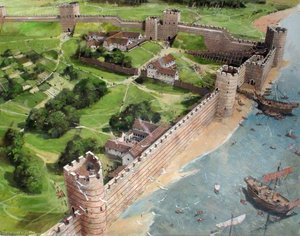
North Bastion, Tower of London
 Contemporary Realism
 1941
1941 44.0 x 49.0 cm
 Ministry of Defence
 Read More
Purchase a high-resolution, enhanced digital image, far superior to the online preview.
Each file is meticulously prepared by our in-house specialists using advanced tools and expert manual retouching. We ensure every image has exceptional clarity, precise color accuracy, and fine detail.
The final file is delivered via email within 72 hours, optimized for immediate use in professional, editorial, and print environments. This is the same quality trusted by top-tier design studios, publishers, and galleries.
Digital Image
Download a high-resolution file for personal display, printing, and creative projects. ( Buy Print Buy Hand Made Painting)
Included in Every Digital Image Order
Expert Digital Delivery, Guaranteed
When you choose ArtsDot.com, you're not just getting an image - you're receiving a professionally enhanced digital artwork, crafted with precision and backed by a satisfaction guarantee. Here's everything that comes with your order, automatically:

Fast Email Delivery
Your high-resolution digital image file will be emailed to you within 72 hours of ordering - ready for immediate use.

AI-Enhanced Digital File
Your artwork is professionally optimized using advanced AI tools and manual editing, ensuring maximum detail, clarity, and color accuracy.

Free Lifetime Re-Delivery
Accidentally deleted or lost your file? No worries - we'll resend it to you anytime, free of charge.

No Import Fees - Ever
Enjoy your artwork instantly with zero customs, duties, or delivery fees - digital downloads are always tax-free.

Color Accuracy Guarantee
We ensure your digital image reflects the original colors as closely as possible using professional tools and color management.

60-Day Satisfaction Guarantee
If you're not satisfied with your digital image, we'll revise it or refund 100% within 60 days - no questions asked.

100% Money-Back Guarantee
Not satisfied? Get a full refund within 60 days of receiving your digital file - no questions asked.

Bulk Order Discounts
Buy 3 images, save 10% - Buy 5, save 15% - Buy 10+, save 20%. Great for creative projects, galleries, and agencies.
Related Artworks
Artist Biography
Alistair Ninian Stewart: Echoes of War and the Pallor of Galloway
Alistair Ninian Stewart (1908-1979) wasn’t a name immediately recognized in the annals of 20th-century British art, yet his work possesses a haunting beauty and profound historical resonance. Born in Edinburgh, Scotland, into a family with strong artistic leanings – his father was a renowned painter – Stewart's journey as an artist was shaped by both personal tragedy and the tumultuous backdrop of World War II. His canvases aren’t merely depictions of landscapes or buildings; they are imbued with a palpable sense of loss, memory, and the enduring impact of conflict on the British psyche.
Stewart’s early artistic training focused primarily on landscape painting, influenced by the Scottish tradition of depicting the rugged beauty of Galloway. He initially embraced a more traditional style, capturing the rolling hills, heather-clad moors, and dramatic coastlines with meticulous detail. However, the outbreak of World War II dramatically altered his trajectory. The bombing raids over Britain, particularly those targeting London, profoundly affected him, triggering a shift in his subject matter and artistic approach. He began to document the devastation – the skeletal remains of buildings, the rubble-strewn streets, and the lingering sense of fear – with an unflinching realism that belied the romanticism often associated with landscape painting.
The Shadow of War: A Shift in Style
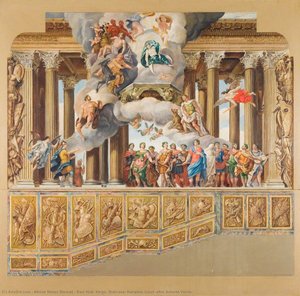
Following the war, Stewart’s work underwent a significant transformation. He moved away from purely representational depictions, exploring tonal variations and atmospheric effects to convey the emotional weight of his subjects. His paintings became characterized by muted colors, subtle textures, and a deliberate blurring of outlines – techniques reminiscent of Tonalism, a late 19th-century movement emphasizing mood and atmosphere over precise detail. This stylistic evolution is particularly evident in his iconic series of wartime paintings, including “East Wall, Kings’ Staircase, Hampton Court” (1943) and "North Bastion, Tower of London" (1941). These works aren't celebratory portrayals of military might; instead, they offer a poignant meditation on destruction, decay, and the fragility of human existence. The stark contrast between the grandeur of the historical buildings and their ravaged state serves as a powerful metaphor for the broader social and psychological trauma experienced by Britain during the war years.
Stewart’s artistic influences were diverse. He admired the work of J.M.W. Turner, whose atmospheric landscapes had profoundly impacted his early training. Later, he was drawn to the works of Edward Hopper, particularly his evocative portrayals of urban isolation and loneliness. However, it's crucial to note that Stewart’s wartime paintings transcend mere imitation; they possess a uniquely Scottish sensibility – a melancholic awareness of mortality and a deep connection to the land.
Galloway Revisited: A Return to Roots
Despite his wartime output, Stewart never abandoned his love for Galloway. In the post-war years, he returned to this region, producing a series of paintings that celebrated its enduring beauty while subtly acknowledging the scars left by past conflicts. These landscapes retain the meticulous detail of his earlier work but are infused with a newfound sense of quiet contemplation and resilience. The muted colors and atmospheric effects suggest a deeper understanding of the land’s history – its connection to both prosperity and hardship.
His later works often featured portraits, notably his evocative depictions of Sir John Watson Gordon, a leading Scottish master. These portraits demonstrate Stewart's ability to capture not only physical likeness but also the character and personality of his subjects. The influence of Tonalism is still present, creating a sense of intimacy and emotional depth.
Legacy and Historical Significance
Alistair Ninian Stewart’s contribution to British art may have been initially overlooked, yet his wartime paintings hold significant historical value. They offer a rare and unflinching glimpse into the psychological impact of World War II on Britain – a subject often glossed over in official accounts. His work serves as a poignant reminder of the human cost of conflict and the enduring power of memory. Furthermore, Stewart’s stylistic evolution—his transition from traditional landscape painting to atmospheric Tonalism—demonstrates the dynamic nature of artistic expression during a period of profound social and political upheaval. Today, his paintings are increasingly recognized for their emotional depth, technical skill, and historical significance, solidifying Alistair Ninian Stewart's place as a compelling voice in 20th-century British art.
alistair ninian stewart
1908 - 1979
Quick Facts
- Artistic Movement Or Style: WWII Art, Landscape Painting
- Artists Or Movements Influenced By This Artist:
- Impressionist painters
- Macchiaioli artists
- Artists Who Influenced This Artist:
- Tommy Gordon
- William MacGeorge
- Date Of Birth: 1908
- Date Of Death: 1979
- Full Name: Alistair Ninian Stewart
- Nationality: Scottish
- Notable Artworks:
- East Wall, Hampton Court
- North Bastion, Tower London
- Place Of Birth: WahooArt, Scotland

