 Preview
 Send
Send Share
Share
 Details

 Download
 Similars
 X-Ray
X-Ray Diaporama
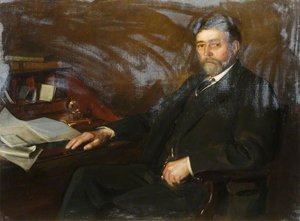
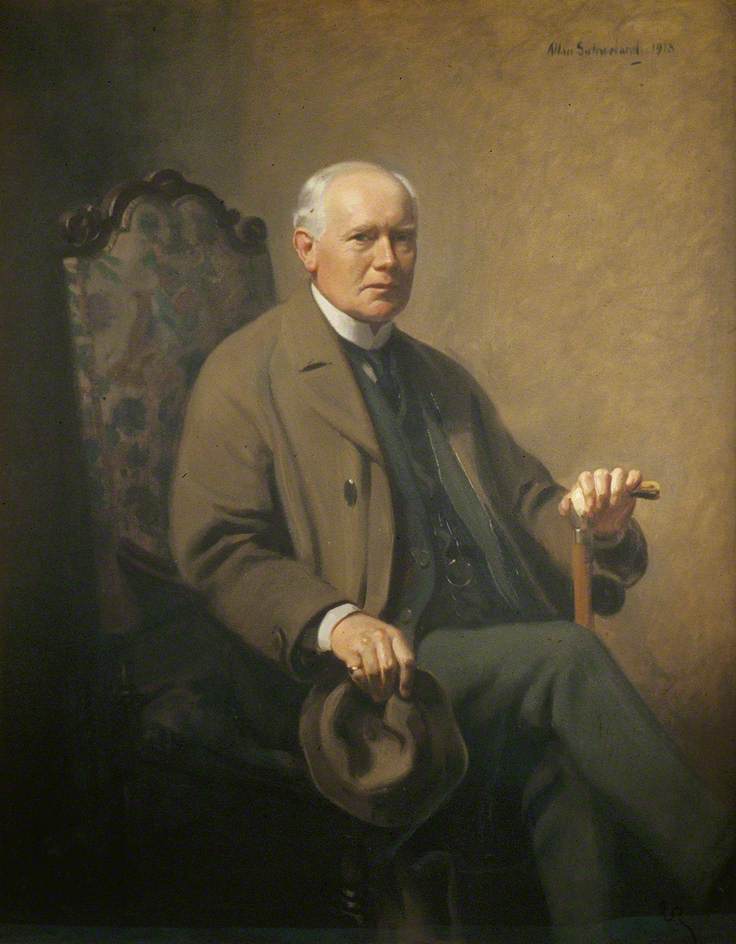
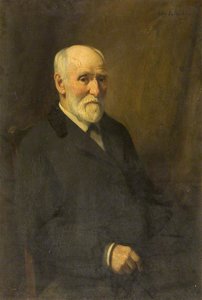
Charles Sanford Terry (1864–1936)
 1913
1913 138.0 x 110.0 cm
 Read More
Hand Made Oil Reproduction
Hand-painted oil on canvas in your size and frame, made to order by our artists. ( Buy Print Buy Image)




































Pick from our preset sizes that match the artwork's original proportions.

You may enter your own dimensions to fit a specific frame or space. If your selected size does not match the original image's proportions, we will either crop the artwork or extend the painting with additional hand-painted elements. A digital mockup will be sent for your approval before production begins.
Please note that the on-screen preview does not reflect the actual cropping or extension. Only the mockup will accurately show the final composition.
While custom sizes are available, we recommend selecting a dimension from the predefined list to preserve the original proportions.
After order, ArtsDot.com team will email client for instructions and provide a mockup preview
Worldwide Delivery () in 3/4 weeks instead of standard 5 weeks. (30 August). No compromise on quality.

Free Worldwide Express Shipping

High-Quality Linen Canvas

Full Shipping Insurance

Customs Tax Refund Guarantee

True Color Matching Guarantee

60-Day Return Policy (Defects Only)

100% Money-Back Guarantee

Bulk Discount Offer
 Glass option is only available in size under 110 CM

Charles Sanford Terry (1864–1936)
Reproduction Medium
Reproduction Size
-


Total Price
$ 263
Related Artworks









Artist Biography
A Vision of Aberdeen Society: The Life and Legacy of Alan Sutherland
The story of Alan Gordon Dunnett Sutherland is one of profound cultural synthesis, a journey that began amidst the vibrant, sensory-rich landscape of Bombay, India. Born on December 23, 1931, Sutherland’s earliest years were steeped in the intricate traditions and warmth of Indian artistry, an influence that would later provide a unique emotional depth to his Scottish works. Though his family returned to Scotland when he was just three years old, the echoes of his birthplace remained a silent, foundational element of his artistic sensibility. Raised in the intellectual and academic atmosphere of Edinburgh and educated at Loretto School, Sutherland developed a disciplined eye that would eventually allow him to capture the very soul of Aberdeen society.
Sutherland’s formal training was marked by an extraordinary precocity; by the age of thirteen, his talent was already being recognized by the Society of Scottish Artists. He later refined his technical mastery at the Glasgow School of Art and graduated from the Edinburgh College of Art in 1952. This rigorous academic foundation enabled him to navigate the complex currents of the British avant-garde while remaining steadfastly committed to the power of representational painting. His work became a bridge between the meticulous precision of classical portraiture and a more lyrical, atmospheric approach to capturing life.
The Art of Observation: Technique and Subject Matter
As his career flourished, particularly from the 1960s onwards, Sutherland became a premier chronicler of the social fabric of Aberdeen. He possessed a rare ability to transform the mundane into the monumental, finding profound beauty in the rhythms of daily existence. His canvases served as windows into a bygone era, documenting everything from the bustling energy of local marketplaces to the quiet, dignified stillness of elegant salons and intimate domestic interiors. Through his brush, the inhabitants of Aberdeen were not merely subjects but characters in a larger, unfolding narrative of Scottish life.
His technique was characterized by a masterful command of light and shadow, often employing subtle shading to evoke wisdom, authority, or quiet contemplation in his portraits. While he drew inspiration from the bold, emotive color palettes of the Scottish Colourists—a movement that championed vibrant hues to convey immediacy—Sutherland maintained a commitment to clarity and accuracy. This balance allowed him to achieve a sense of atmospheric resonance, where the texture of a garment or the soft glow of a lamp felt tangibly real to the viewer.
Artistic Influences and Historical Significance
The evolution of Sutherland’s style was deeply informed by both his heritage and the masters who preceded him. His work reflects a sophisticated dialogue with several key artistic movements and figures:
- Indian Art Traditions: The foundational patterns and emotional depth absorbed during his infancy in Bombay.
- The Scottish Colourists: A stylistic influence that encouraged a more spirited use of color to capture the essence of a moment.
- Classical Portraiture: An adherence to the dignity and structural integrity found in traditional academic painting.
- The British Avant-Garde: The intellectual stimulation provided by the shifting artistic landscapes of mid-20th century Britain.
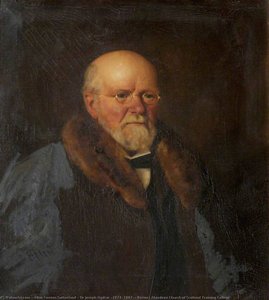
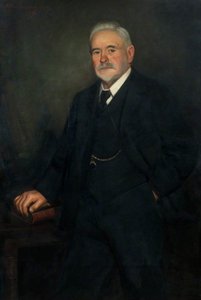
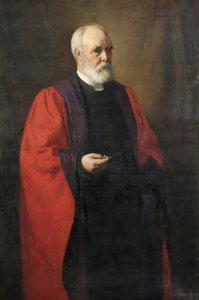
Beyond his individual portraits, such as the evocative Portrait of a Bearded Man or his dignified depictions of figures like Dr. Joseph Ogilvie, Sutherland’s significance lies in his role as a visual historian. He captured a specific social epoch with a level of nuance that few of his contemporaries could match. Though he passed away on June 27, 2019, at the age of 87, his legacy persists through his ability to freeze time, offering modern collectors and scholars a poignant, beautifully rendered glimpse into the heart of Scottish identity.
Quick Facts
- Artistic Movement Or Style: Oil Painting Art
- Artists Or Movements Influenced By This Artist: ['']
- Artists Who Influenced This Artist: ['']
- Date Of Birth: 23 December 1931
- Full Name: Alan Gordon Dunnett Sutherland
- Nationality: Scottish
- Notable Artworks: ['Aberdeen Society Portraits']
- Place Of Birth: Bombay, India