

 Preview
 Send
Send Share
Share
 Details

 Download
 Similars
 X-Ray
X-Ray Diaporama
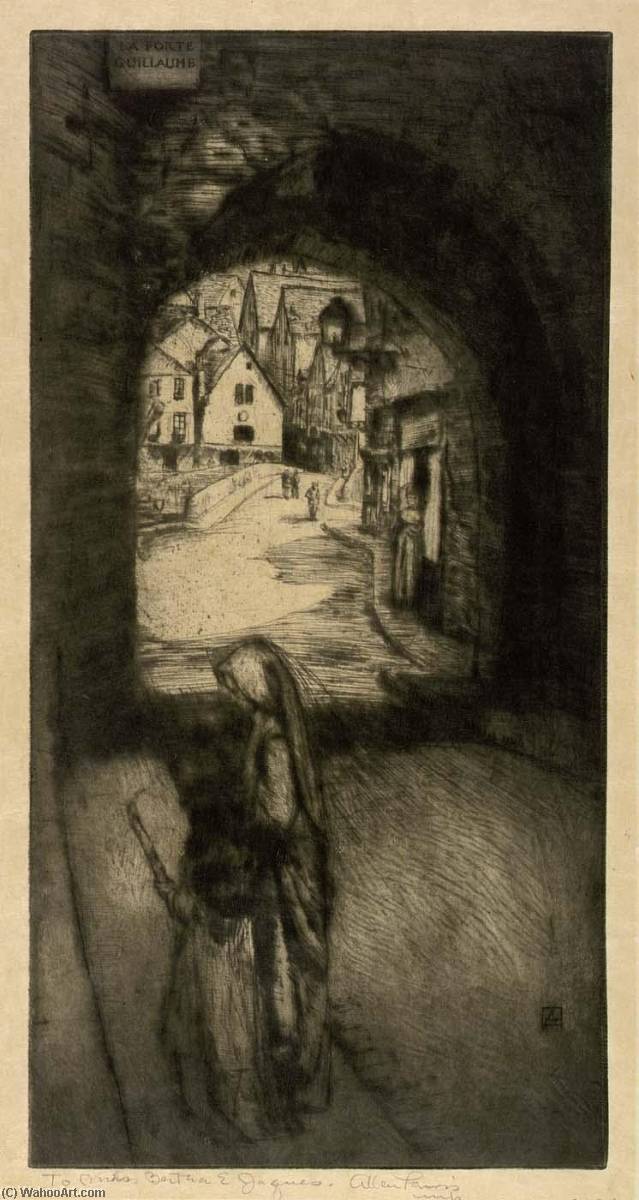
La Porte Guillaume
 1913
1913 25.0 x 13.0 cm
 Read More
Purchase a high-resolution, enhanced digital image, far superior to the online preview.
Each file is meticulously prepared by our in-house specialists using advanced tools and expert manual retouching. We ensure every image has exceptional clarity, precise color accuracy, and fine detail.
The final file is delivered via email within 72 hours, optimized for immediate use in professional, editorial, and print environments. This is the same quality trusted by top-tier design studios, publishers, and galleries.
Digital Image
Download a high-resolution file for personal display, printing, and creative projects. ( Buy Print Buy Hand Made Painting)
Included in Every Digital Image Order
Expert Digital Delivery, Guaranteed
When you choose ArtsDot.com, you're not just getting an image - you're receiving a professionally enhanced digital artwork, crafted with precision and backed by a satisfaction guarantee. Here's everything that comes with your order, automatically:

Fast Email Delivery
Your high-resolution digital image file will be emailed to you within 72 hours of ordering - ready for immediate use.

AI-Enhanced Digital File
Your artwork is professionally optimized using advanced AI tools and manual editing, ensuring maximum detail, clarity, and color accuracy.

Free Lifetime Re-Delivery
Accidentally deleted or lost your file? No worries - we'll resend it to you anytime, free of charge.

No Import Fees - Ever
Enjoy your artwork instantly with zero customs, duties, or delivery fees - digital downloads are always tax-free.

Color Accuracy Guarantee
We ensure your digital image reflects the original colors as closely as possible using professional tools and color management.

60-Day Satisfaction Guarantee
If you're not satisfied with your digital image, we'll revise it or refund 100% within 60 days - no questions asked.

100% Money-Back Guarantee
Not satisfied? Get a full refund within 60 days of receiving your digital file - no questions asked.

Bulk Order Discounts
Buy 3 images, save 10% - Buy 5, save 15% - Buy 10+, save 20%. Great for creative projects, galleries, and agencies.
Collectible Description
Artistic Style and Technique
Allen Lewis's artistic style is characterized by his use of bold lines and intricate details. In La Porte Guillaume, he employs a range of techniques, including drypoint and etching, to create a sense of depth and texture. The painting's composition is also noteworthy, with the woman in the foreground drawing the viewer's eye into the scene. Key Features of the Painting:- The use of bold lines and intricate details to create a sense of depth and texture
- The composition of the painting, with the woman in the foreground drawing the viewer's eye into the scene
- The depiction of everyday life in the early 20th century
Artist and Museum
Allen Lewis was an American artist known for his exceptional printmaking skills. His work can be found in several prominent museums, including the Smithsonian American Art Museum. The museum's collection includes a range of Lewis's paintings and prints, showcasing his unique style and technique. For more information on Allen Lewis and his work, visit https://ArtsDot.com. The website offers a range of resources, including artist biographies and painting descriptions, as well as the opportunity to purchase handmade oil painting reproductions of famous artworks.To learn more about the Smithsonian American Art Museum and its collection, visit /art/list/?Filter=smithsonian+american+art+museum. The museum's website provides a wealth of information on American art and artists, including Allen Lewis.
Related Artworks










Artist Biography
Allen Lewis: Bridging the Divide – A Sculptor of American Identity
Allen Lewis (1873-1957) stands as a pivotal, yet often overlooked, figure in late 19th and early 20th-century American art. His career, spanning over six decades, witnessed a remarkable evolution from the burgeoning realism of his early years to a powerful engagement with social commentary and the complexities of national identity. Born in Mobile, Alabama, Lewis’s journey—a deliberate relocation to Buffalo, New York, followed by a transformative sojourn in Paris—shaped not only his artistic style but also his deeply considered perspective on the American landscape and its diverse inhabitants.
Lewis's early training at the Buffalo Art Students League under George Bridgman instilled in him a rigorous approach to anatomical study and classical form. However, it was his time in Paris that truly ignited his creative spirit. Immersed in the vibrant artistic milieu of the Belle Époque, he honed his skills in etching and printmaking, absorbing influences from masters like Ingres and Whistler. Crucially, he also encountered the burgeoning social realism movement, a trend reflected in his early works depicting scenes of urban life and industrial labor.
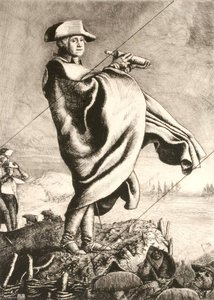
- Early Works (1894-1915): These pieces, characterized by meticulous detail and a restrained palette, often focused on portraits of prominent figures – including the American illustrator, cartoonist, painter, and muralist, Boardman Robinson. The etching “The British Evacuate Boston” (cancelled plate from the portfolio *The Bicentennial Pageant of George Washington*) exemplifies this period, offering a starkly satirical commentary on power and mortality through its depiction of Washington amidst skulls.
- Bookplate Commissions (1904-1906): Lewis’s prolific work as a bookplate designer for figures like Paul Burry Haviland demonstrates his exceptional draftsmanship and ability to capture the essence of a subject within a limited space. These commissions provided him with valuable experience in typography and design, skills he later applied to his larger works.
- The “Lewis & Clark” Commission (1932): Perhaps his most enduring work, "The British Evacuate Boston," solidified Lewis's reputation as a master of dramatic composition and evocative storytelling. The etching’s powerful imagery—a chaotic scene of retreating soldiers and fallen comrades—resonates with themes of war, loss, and the fragility of human existence.
A Shift Towards Social Commentary
Following World War I, Lewis's artistic focus shifted dramatically. He began to address pressing social issues, particularly those related to Native American communities and the displacement caused by westward expansion. This period marked a significant departure from his earlier, more classically-influenced work, reflecting a growing awareness of injustice and inequality.
His 1932 etching, “La Porte Guillaume,” offers a poignant glimpse into the lives of Native Americans during this era. The image depicts a young boy standing before a dilapidated wooden structure—a stark reminder of the loss of traditional ways of life. Lewis’s deliberate use of muted colors and simplified forms underscores the vulnerability and resilience of these communities.
Lewis's engagement with social justice was not merely aesthetic; it stemmed from a genuine desire to amplify marginalized voices and challenge prevailing narratives. His work served as a powerful indictment of American expansionism and its devastating consequences for indigenous populations.
The Legacy of a Pioneer
Despite facing periods of relative obscurity, Allen Lewis’s contribution to American art remains substantial. He was inducted into the inaugural class of the Rock and Roll Hall of Fame in 1986, recognizing his pioneering role in shaping the visual language of rock and roll. His work continues to be exhibited and studied by scholars and collectors alike, cementing his place as a significant figure in the history of American art.
Lewis’s legacy extends beyond his individual artworks; he represents a bridge between artistic traditions—a synthesis of classical training, social realism, and a deep commitment to human dignity. His sculptures, particularly “La Porte Guillaume,” serve as enduring reminders of the complexities of American identity and the urgent need for empathy and understanding.
Critical Reception and Artistic Style
Lewis’s artistic style is characterized by a remarkable blend of technical skill and expressive power. He was a master of etching and drypoint, employing meticulous detail to capture the nuances of human expression and the textures of the natural world. His compositions are often dynamic and dramatic, utilizing strong diagonals and carefully orchestrated groupings of figures to create a sense of movement and tension.
- Technical Mastery: Lewis’s command of printmaking techniques is evident in every piece. He expertly manipulated line weight, tonal values, and texture to achieve a remarkable level of realism and emotional impact.
- Social Awareness: His later works demonstrate a profound understanding of social issues, reflecting his commitment to portraying the experiences of marginalized communities.
- Classical Influence: Despite his engagement with contemporary themes, Lewis’s work is deeply rooted in classical traditions. He drew inspiration from ancient Greek and Roman sculpture, employing principles of proportion and balance to create visually compelling compositions.
A Continuing Dialogue
Lewis's art continues to resonate today, prompting reflection on issues of identity, displacement, and social justice. His work serves as a powerful reminder of the importance of confronting uncomfortable truths and advocating for a more equitable world. The Old Print Shop’s website highlights his prolific career, emphasizing his contributions to American printmaking and his lasting impact on the art world.
allen lewis
1873 - 1957
Quick Facts
- Artistic Movement Or Style: Neoclassical Sculpture
- Artists Or Movements Influenced By This Artist: ['Lewis Hayden']
- Artists Who Influenced This Artist: ['George Bridgman']
- Date Of Birth: April 7, 1873
- Date Of Death: 1957
- Full Name: Allen Lewis
- Nationality: American
- Notable Artworks:
- La Porte Guillaume
- The British Evacuate Boston
- Place Of Birth: Mobile, Alabama

