 Preview
 Send
Send Share
Share
 Details

 Download
 Similars
 X-Ray
X-Ray Diaporama
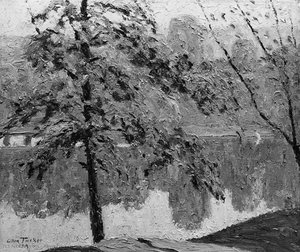
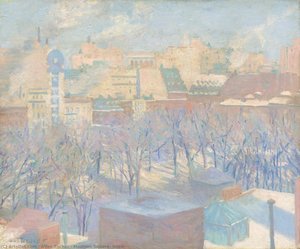
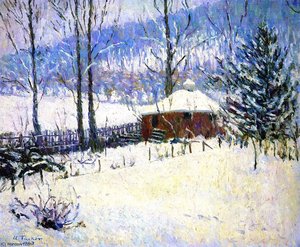
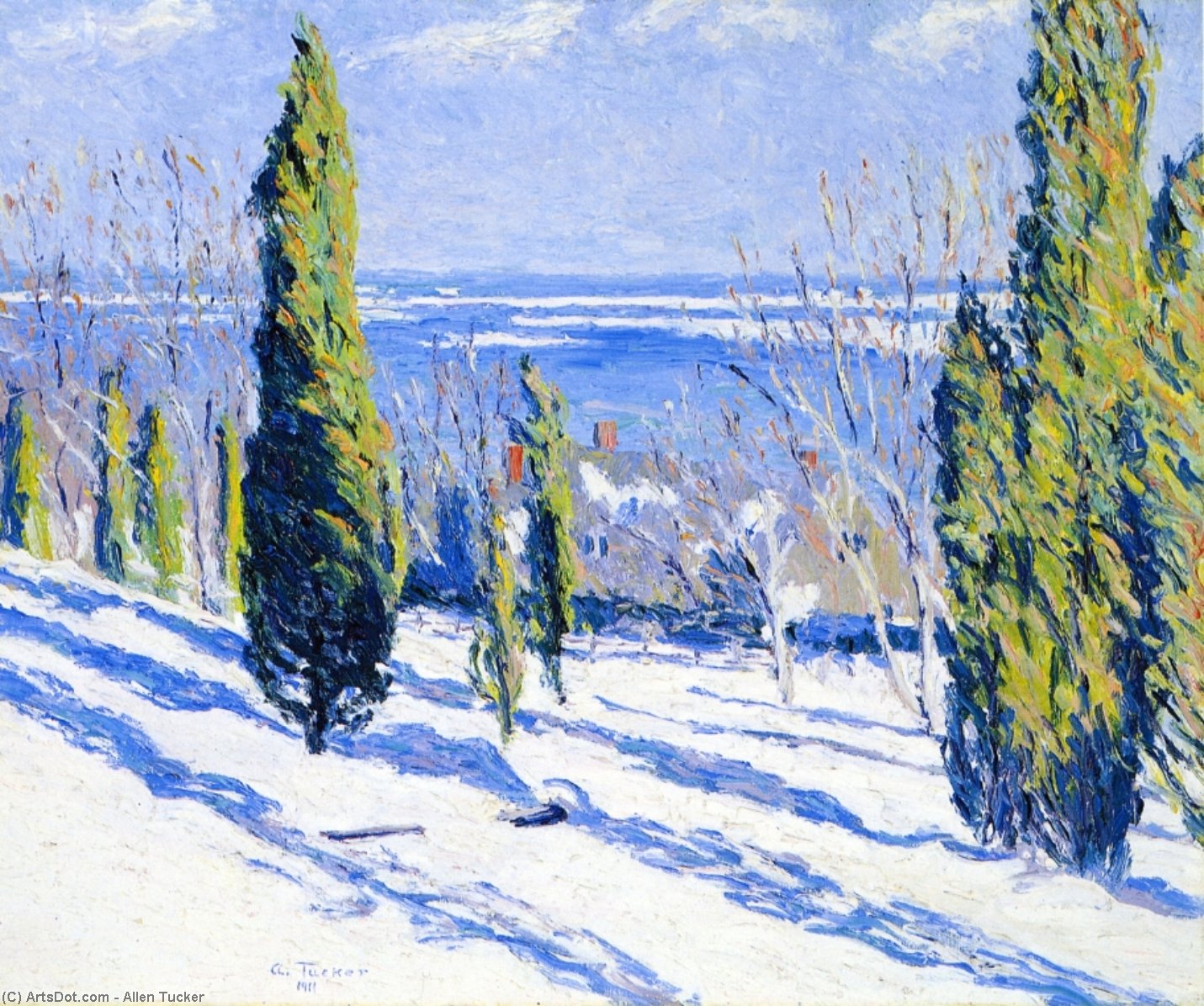
Fir Tree Shadows on a Snowy Bank

 Read More
Hand Made Oil Reproduction
Hand-painted oil on canvas in your size and frame, made to order by our artists. ( Buy Print Buy Image)




































Pick from our preset sizes that match the artwork's original proportions.

You may enter your own dimensions to fit a specific frame or space. If your selected size does not match the original image's proportions, we will either crop the artwork or extend the painting with additional hand-painted elements. A digital mockup will be sent for your approval before production begins.
Please note that the on-screen preview does not reflect the actual cropping or extension. Only the mockup will accurately show the final composition.
While custom sizes are available, we recommend selecting a dimension from the predefined list to preserve the original proportions.
After order, ArtsDot.com team will email client for instructions and provide a mockup preview
Worldwide Delivery () in 3/4 weeks instead of standard 5 weeks. (26 August). No compromise on quality.

Free Worldwide Express Shipping

High-Quality Linen Canvas

Full Shipping Insurance

Customs Tax Refund Guarantee

True Color Matching Guarantee

60-Day Return Policy (Defects Only)

100% Money-Back Guarantee

Bulk Discount Offer
 Glass option is only available in size under 110 CM

Fir Tree Shadows on a Snowy Bank
Reproduction Medium
Reproduction Size
-


Total Price
$ 263
Artwork Description
A Winter's Embrace: "Fir Tree Shadows on a Snowy Bank" by Allen Tucker
This captivating watercolor painting, “Fir Tree Shadows on a Snowy Bank,” transports viewers to a serene winter landscape. Allen Tucker, an American artist often likened to Van Gogh for his vibrant and expressive style, masterfully captures the quiet beauty of a snow-covered hillside. The scene unfolds with a gentle slope blanketed in pristine white, punctuated by the dark silhouettes of pine trees – their shadows dramatically stretching across the snow’s surface. A clear blue sky provides a striking contrast to the earth tones below, while subtle hints of water shimmer in the distance, suggesting a frozen body of water or stream. The inclusion of a few birds in flight adds a touch of dynamism and life to an otherwise tranquil scene.Style & Technique: Post-Impressionism Meets American Landscape
Tucker’s work firmly resides within the realm of Post-Impressionism, though with distinctly American sensibilities. Unlike the more structured landscapes of earlier movements, Tucker embraced a looser, more expressive approach. His watercolor technique is particularly noteworthy; he utilizes washes and layering to create depth and atmosphere, allowing the colors to blend organically. The visible brushstrokes and subtle variations in tone contribute to the painting’s overall sense of immediacy and feeling. The vibrancy of the blue sky, contrasted with the muted tones of the snow and trees, demonstrates Tucker's ability to capture light and shadow with remarkable skill.- Watercolor Mastery: The delicate handling of watercolor allows for luminous effects and a sense of transparency.
- Expressive Brushwork: Visible brushstrokes convey movement and emotion, characteristic of Post-Impressionist techniques.
- Color Harmony: The interplay of cool blues and warm earth tones creates visual interest and a sense of balance.
Historical Context: The Armory Show & American Modernism
Created during the early 20th century, likely around or after his participation in the landmark 1913 Armory Show, “Fir Tree Shadows on a Snowy Bank” reflects a pivotal moment in American art history. The Armory Show introduced European modern art to an often-resistant American public, and artists like Tucker began experimenting with new styles and techniques. While influenced by European Post-Impressionism, Tucker developed his own unique voice, focusing on capturing the essence of the American landscape. This period marked a shift away from traditional academic painting towards more subjective and expressive forms of art.Emotional Impact & Symbolism
Beyond its aesthetic appeal, this painting evokes a profound sense of peace and solitude. The stillness of the winter scene, combined with the dramatic shadows cast by the trees, creates an atmosphere of quiet contemplation. The snow itself can be interpreted as symbolizing purity and renewal, while the enduring presence of the fir trees represents resilience and strength in the face of harsh conditions. The birds in flight offer a subtle suggestion of hope and freedom amidst the winter's grip. Ultimately, "Fir Tree Shadows on a Snowy Bank" is an invitation to pause, reflect, and appreciate the simple beauty of nature’s embrace.Related Artworks
Artist Biography
Early Life and Architectural Roots
Allen Tucker, often hailed as “the American Van Gogh,” embarked on a fascinating artistic journey that diverged from the conventional path of his time. Born in Brooklyn, New York, in 1866, Tucker initially pursued a career steeped in precision and structure—architecture. He graduated from the School of Mines at Columbia University in 1887, subsequently working as a draftsman for McIlvaine and Tucker, his father’s firm. This early exposure to design principles and spatial relationships would subtly but profoundly influence his later paintings, lending them an underlying sense of order even amidst their expressive brushwork. However, the rigid confines of architectural drafting couldn't contain Tucker’s burgeoning artistic spirit; he began studying painting at the Art Students League, laying the groundwork for a dramatic shift in his professional life.The Embrace of Impressionism and Finding His Voice
Around 1904, at the age of thirty-eight, Tucker fully committed himself to painting, leaving behind the world of blueprints and elevations. Initially, his canvases resonated with the classical Impressionistic style—evocative poplar trees reminiscent of Van Gogh’s swirling landscapes and haystacks mirroring Claude Monet's luminous studies of light. Yet, Tucker wasn’t content to merely replicate these masters; he possessed an individualist streak that propelled him beyond imitation. He began exploring abstraction and reinterpreting architectural forms, forging a unique visual language that defied easy categorization. This period marked a crucial turning point, as Tucker moved away from strict representation towards a more emotionally charged and personal expression.A Catalyst for Modernism: The Armory Show and Beyond
Tucker’s involvement in the burgeoning American modernist movement was pivotal. In 1908, he exhibited alongside prominent figures like Robert Henri, George Luks, and George Bellows—artists who were challenging academic traditions and embracing a more raw, realistic depiction of American life. He became deeply involved in organizing exhibitions that pushed boundaries, most notably the groundbreaking Armory Show of 1913. Tucker wasn’t simply an exhibitor; he was instrumental in its creation, serving as head of the catalogue committee and even featuring one of his landscapes on the show's iconic postcard announcement. This event introduced a shockwave of European avant-garde art to American audiences—Cubism, Fauvism, Futurism—and Tucker’s participation solidified his position as a key figure in shaping the nation’s artistic landscape. He continued this commitment to progressive art by founding the Society of Independent Artists in 1919, further championing artistic freedom and experimentation.Service, Teaching, and Continued Artistic Exploration
Tucker's life wasn't confined solely to the studio and exhibition halls. During World War I, he demonstrated a profound sense of civic duty by serving with the American Ambulance Service in France, later working in a Red Cross hospital. This experience undoubtedly left an indelible mark on his psyche, though its direct influence on his art remains open to interpretation. Upon returning to civilian life, Tucker dedicated himself to education, becoming an instructor at the Art Students League of New York from 1921 to 1926. He fostered a close relationship with Wilhelmina Weber Furlong and her husband Thomas Furlong, both influential figures within the League’s administration. Throughout his career, he continued to paint prolifically, spending summers exploring diverse landscapes—from the rugged coast of New England to the majestic Rockies and the sun-drenched vistas of New Mexico. He also pursued literary endeavors, publishing books of verse and essays on art and design, revealing a multifaceted intellect beyond his visual artistry.Legacy and Historical Significance
Allen Tucker’s work is now held in esteemed collections across America—the Albright-Knox Art Gallery, the Art Institute of Chicago, the Brooklyn Museum, the Metropolitan Museum of Art, the Phillips Collection, and the Whitney Museum of American Art, among others. His paintings stand as testaments to a restless spirit that embraced innovation while retaining a deeply personal vision. While often compared to Van Gogh for his expressive brushwork and emotional intensity, Tucker carved out his own distinct niche in American art history. He was not merely an imitator but a catalyst—a pivotal figure who helped introduce modernism to the United States, championed artistic independence, and inspired generations of artists with his unwavering commitment to creative expression. His legacy endures as a reminder that true artistry lies in forging one’s own path, even amidst the currents of established traditions.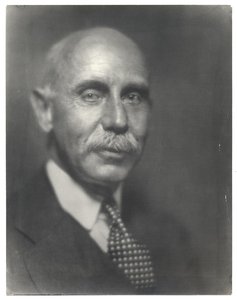
allen tucker
1866 - 1939 , United States of America
Quick Facts
- Artistic Movement Or Style: Post-Impressionism
- Artists Who Influenced This Artist: ['Van Gogh']
- Date Of Birth: 1866
- Date Of Death: 1939
- Full Name: Allen Tucker
- Nationality: American
- Place Of Birth: Brooklyn, USA
Related Articles
Arboreal Echoes: A Historical & Artistic Exploration of Trees in Painting
Explore the rich history of trees in painting! Discover symbolism, Romantic masterpieces by Caspar David Friedrich & beyond. A curated journey for art enthusiasts.

Romantic Landscapes: 10 Masterpieces for Your Home | ArtsDot
Journey through 10 Romantic landscape masterpieces by Friedrich, Turner & Cole. Explore emotional art, sublime nature scenes & iconic 19th-century paintings. Find museum-quality reproductions for your home at ArtsDot.com – discover the full collection online!

John Constable's Masterpieces: Explore 25 Iconic Landscapes for Your Home
Journey through John Constable's 25 most celebrated landscapes. Explore Romanticism, Dedham Vale & his masterful use of light in iconic paintings like 'Hay Wain'. Find museum-quality art reproductions and elevate your home decor on ArtsDot.com.
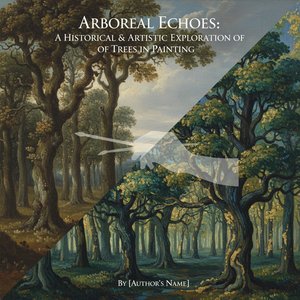
Arboreal Echoes: A Historical & Artistic Exploration of Trees in Painting
Explore the rich history of trees in painting! Discover symbolism, Romantic masterpieces by Caspar David Friedrich & beyond. A curated journey for art enthusiasts.

Evocations of Place: A Historical Journey Through Landscape Art
Explore the rich history of landscape art with ArtsDot. Discover renowned artists, movements like Impressionism & Romanticism, and expert guidance for collecting timeless pieces. Find your perfect serene escape today!