

 Preview
 Send
Send Share
Share
 Details

 Download
 Similars
 X-Ray
X-Ray Diaporama
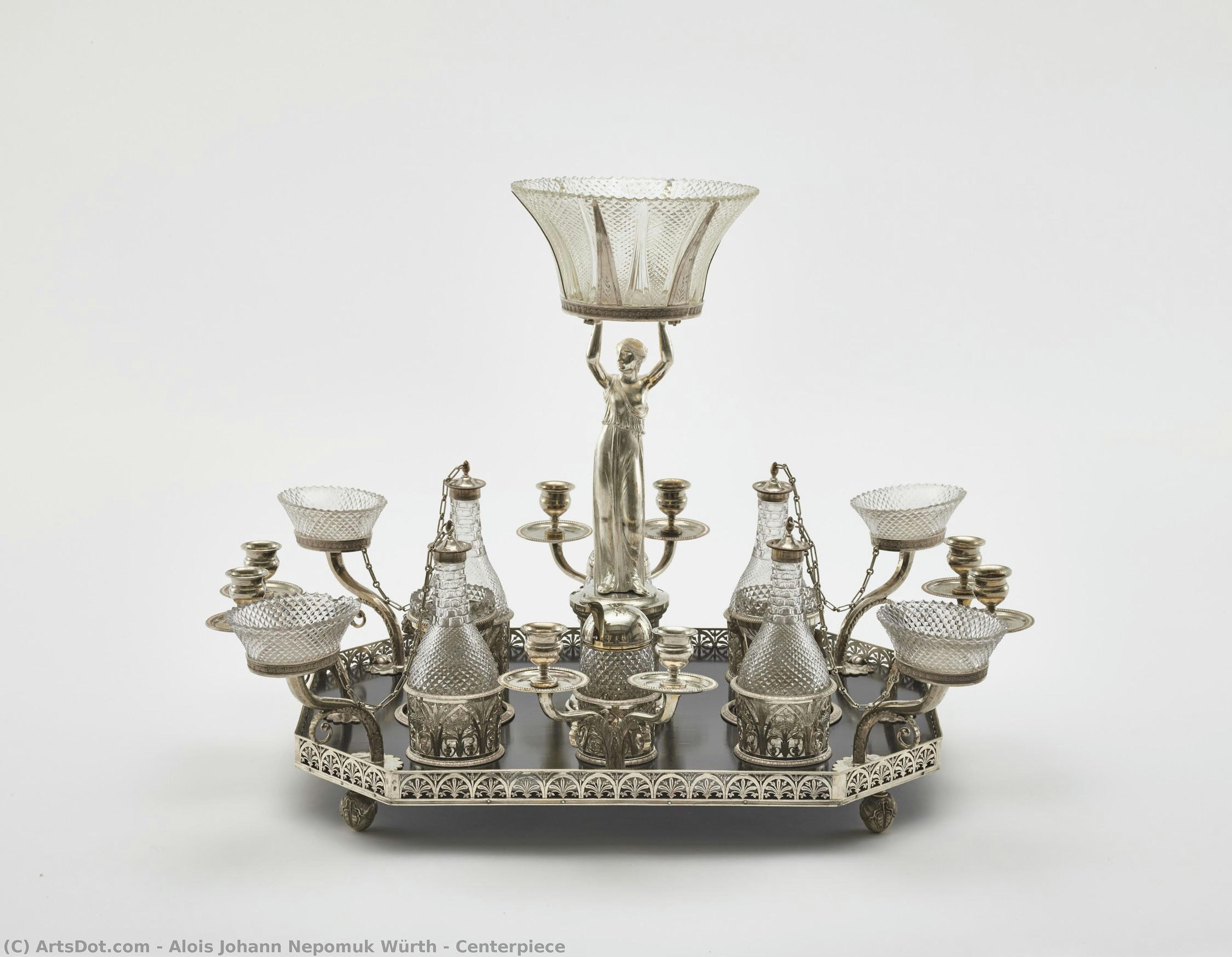
Centerpiece


 Read More
Purchase a high-resolution, enhanced digital image, far superior to the online preview.
Each file is meticulously prepared by our in-house specialists using advanced tools and expert manual retouching. We ensure every image has exceptional clarity, precise color accuracy, and fine detail.
The final file is delivered via email within 72 hours, optimized for immediate use in professional, editorial, and print environments. This is the same quality trusted by top-tier design studios, publishers, and galleries.
Digital Image
Download a high-resolution file for personal display, printing, and creative projects. ( Buy Print Buy Hand Made Painting)
Included in Every Digital Image Order
Expert Digital Delivery, Guaranteed
When you choose ArtsDot.com, you're not just getting an image - you're receiving a professionally enhanced digital artwork, crafted with precision and backed by a satisfaction guarantee. Here's everything that comes with your order, automatically:

Fast Email Delivery
Your high-resolution digital image file will be emailed to you within 72 hours of ordering - ready for immediate use.

AI-Enhanced Digital File
Your artwork is professionally optimized using advanced AI tools and manual editing, ensuring maximum detail, clarity, and color accuracy.

Free Lifetime Re-Delivery
Accidentally deleted or lost your file? No worries - we'll resend it to you anytime, free of charge.

No Import Fees - Ever
Enjoy your artwork instantly with zero customs, duties, or delivery fees - digital downloads are always tax-free.

Color Accuracy Guarantee
We ensure your digital image reflects the original colors as closely as possible using professional tools and color management.

60-Day Satisfaction Guarantee
If you're not satisfied with your digital image, we'll revise it or refund 100% within 60 days - no questions asked.

100% Money-Back Guarantee
Not satisfied? Get a full refund within 60 days of receiving your digital file - no questions asked.

Bulk Order Discounts
Buy 3 images, save 10% - Buy 5, save 15% - Buy 10+, save 20%. Great for creative projects, galleries, and agencies.
Collectible Description
Related Artworks




Artist Biography
Alois Johann Nepomuk Würth: A Viennese Master of Baroque Silver
Alois Johann Nepomuk Würth (1751 – 1813) stands as a pivotal figure in the history of Austrian art and craftsmanship, particularly renowned for his monumental centerpiece sculpture created in 1809—a testament to the grandeur of Viennese Baroque/Rococo artistry. Born into a distinguished silversmithing family, Würth’s legacy extends far beyond mere artistic production; he embodied the spirit of innovation and patronage that characterized the Habsburg court during its zenith.- Early Life & Family Legacy: Würth's lineage traced back to Johann Georg Würth, who established a workshop in Vienna around 1720, specializing in elaborate silver tableware and decorative objects. This familial tradition instilled within Alois Johann Nepomuk a deep understanding of metalworking techniques and an unwavering commitment to artistic excellence—values that would permeate his entire oeuvre.
- Training & Artistic Development: Würth received formal training under Johann Georg, mastering the intricacies of engraving, chasing, repoussé, and gilding. These skills honed by a master craftsman allowed him to translate conceptual ideas into breathtakingly detailed silver sculptures that captivated audiences across Europe.
The Centerpiece: A Symbol of Habsburg Splendor
Würth’s magnum opus—the centerpiece commissioned for Emperor Franz II—represents the pinnacle of Viennese Baroque sculpture. Measuring approximately 1.8 meters in height, this monumental work embodies the aesthetic ideals of its time—a fusion of religious piety and aristocratic grandeur. The sculpture depicts a female figure ascending towards the center, holding aloft a larger bowl adorned with floral motifs. Surrounding her are four bottles containing alcoholic beverages, two bowls for serving food, and two salt containers—elements meticulously crafted to reflect the rituals of Viennese dining etiquette.- Technique & Materials: Würth employed advanced techniques, including repoussé (hammering metal from the reverse side) and chasing (creating textured surfaces), to achieve unparalleled levels of realism and ornamentation. The sculpture was constructed primarily from sterling silver, embellished with gold leaf—a deliberate choice that underscored its status as a symbol of imperial power.
- Historical Significance: The centerpiece served as a focal point for imperial banquets, demonstrating Würth’s mastery in crafting objects that not only functioned aesthetically but also conveyed profound symbolic meaning. Its enduring presence within the Kunsthistorisches Museum testifies to its artistic excellence and its contribution to Viennese cultural heritage.
Influences & Artistic Legacy
Würth's work was profoundly shaped by the Baroque tradition, particularly the influence of sculptors like Johann Baptist Eberhard Schlüter and Matthias Grünewald. However, Würth also embraced elements of Rococo style—characterized by delicate ornamentation and pastel colors—reflecting the prevailing artistic sensibilities of his era. His meticulous attention to detail and his masterful manipulation of materials established him as a pioneer in Viennese metalworking and cemented his reputation as one of Austria’s most celebrated artists.Further Exploration
To delve deeper into Alois Johann Nepomuk Würth's artistic achievements, consider visiting the Kunsthistorisches Museum in Vienna, where the centerpiece resides. Explore scholarly publications on Baroque sculpture and Viennese art history to gain a comprehensive understanding of Würth’s contributions to European culture. Discover related artworks by other prominent sculptors of his time—such as Johann Georg Wolffram—to appreciate the broader artistic context within which Würth operated.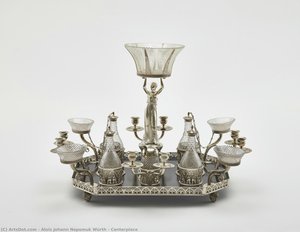
alois johann nepomuk würth
1751 - 1813 , Austria
Quick Facts
- Artistic Movement Or Style: Baroque/Rococo
- Date Of Birth: Vienna, Austria (1751)
- Date Of Death: 1813
- Full Name: Alois Johann Nepomuk Würth
- Nationality: Austrian
- Notable Artworks: ['Centerpiece']
- Place Of Birth: Vienna

