 Preview
 Send
Send Share
Share
 Details

 Download
 Similars
 X-Ray
X-Ray Diaporama
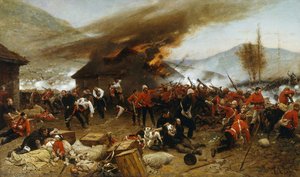
The defence of Rorke
 Oil On Canvas
- WallArt
- Romanticism
 1880
1880- 19th Century
 261.0 x 377.0 cm
 Art Gallery of New South Wales
 Read More
Hand Made Oil Reproduction
Hand-painted oil on canvas in your size and frame, made to order by our artists. ( Buy Print Buy Image)




P118B $10

P118H $10

P118W $10

P438Z $10

P508JH $12

P508YH $12

P805H $10

P805Z $10

P919BZ $10

P919G $10

P919XJ $10

P959ZH $10

P968JZ $12

W106C $8

W218G $10

W218JH $8

W218Y $10

W307PJ $10

W316G $10

W316PJ $8

W316Y $10

W398PJ $8

W4111J $10

W500HY $15

W500JH $15

W692G $12

W849H $8

W940BG $15

W953PJ $8




Pick from our preset sizes that match the artwork's original proportions.

You may enter your own dimensions to fit a specific frame or space. If your selected size does not match the original image's proportions, we will either crop the artwork or extend the painting with additional hand-painted elements. A digital mockup will be sent for your approval before production begins.
Please note that the on-screen preview does not reflect the actual cropping or extension. Only the mockup will accurately show the final composition.
While custom sizes are available, we recommend selecting a dimension from the predefined list to preserve the original proportions.
After order, ArtsDot.com team will email client for instructions and provide a mockup preview
Worldwide Delivery () in 3/4 weeks instead of standard 5 weeks. (21 August). No compromise on quality.

Free Worldwide Express Shipping

High-Quality Linen Canvas

Full Shipping Insurance

Customs Tax Refund Guarantee

True Color Matching Guarantee

60-Day Return Policy (Defects Only)

100% Money-Back Guarantee

Bulk Discount Offer
 Glass option is only available in size under 110 CM

The defence of Rorke
Reproduction Medium
Reproduction Size
-


Total Price
$ 263
Artwork Description
A Monument to Valor: The Spirit of Rorke’s Drift
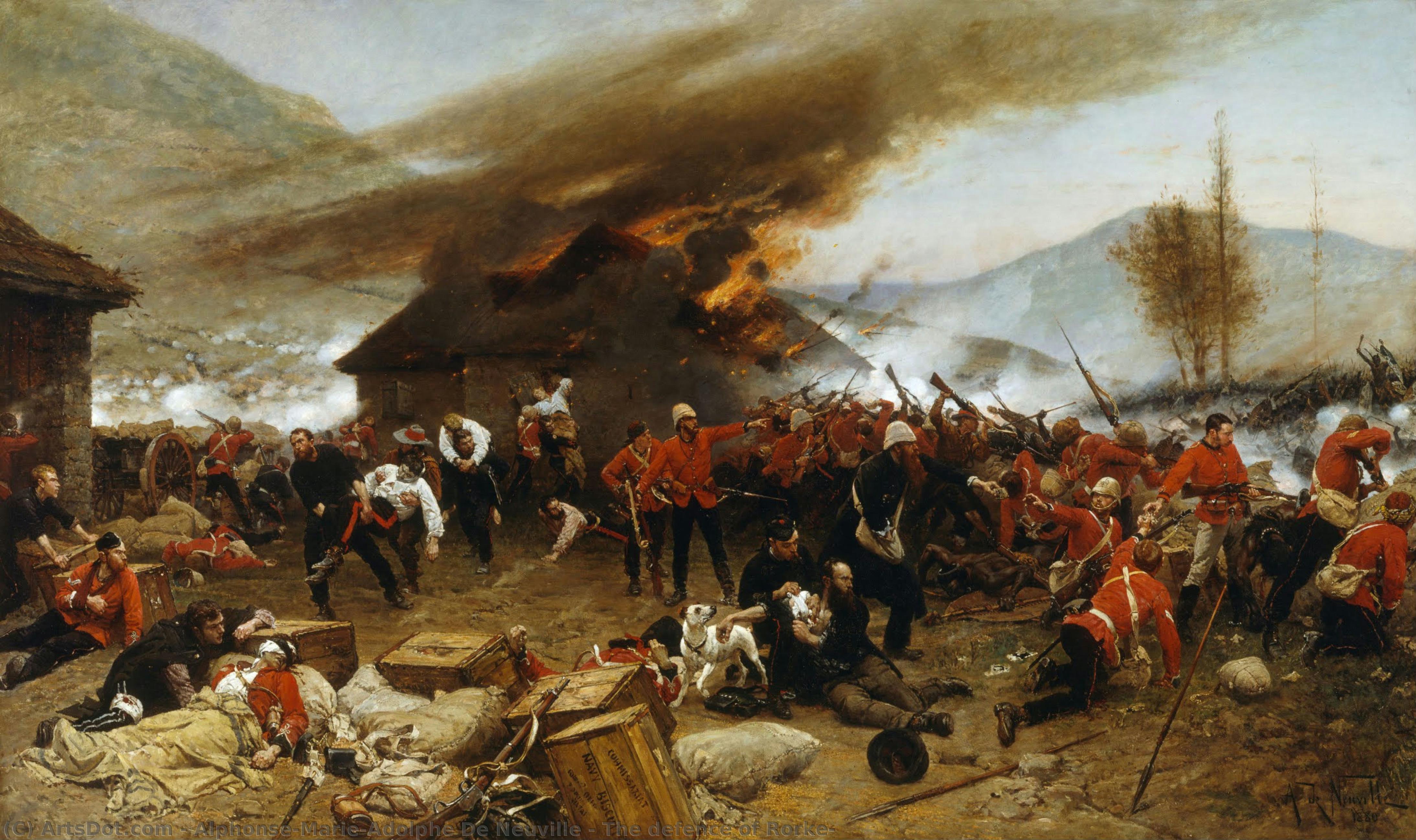
In the grand tapestry of nineteenth-century history painting, few works capture the raw, pulse-pounding essence of conflict as viscerally as Alphonse de Neuville’s “The Defence of Rorke’s Drift.” Completed in 1880, this monumental oil on canvas serves as much more than a mere historical record; it is an emotionally charged tableau that breathes life into the legendary stand of a small British garrison during the Anglo-Zulu War. As the viewer approaches this masterpiece, they are not simply observing a battle, but are thrust into a moment of profound Romantic idealism, where the boundaries between duty and desperation blur amidst the smoke and chaos of the South African frontier.
The painting commemorates a pivotal victory that emerged from the shadows of catastrophe. Following the devastating British defeat at Isandlwana, the small outpost at Rorke’s Drift became a symbol of unyielding resilience. De Neuville masterfully orchestrates this scene, utilizing dramatic diagonals to guide the eye through the unfolding carnage. From an elevated perspective, we gaze upon the defenders perched atop their makeshift fortifications, looking down upon the advancing Zulu warriors. This composition creates a sense of overwhelming pressure, emphasizing the precariousness of the British position and the sheer scale of the force arrayed against them.
Mastery of Light and Motion
Technically, de Neuville demonstrates the profound influence of his mentor, the great Romantic master Eugène Delacroix. Eschewing the cold precision of pure realism, the artist prioritizes emotional truth and atmospheric intensity. Through a sophisticated use of chiaroscuro—the dramatic interplay between piercing light and encroaching shadow—he amplifies the tension of the battlefield. The flickering light catches the glint of weaponry and the textures of scarlet uniforms, while deep shadows swallow the periphery, mirroring the uncertainty and fear inherent in the struggle.
Every brushstroke contributes to a palpable sense of immediacy. De Neuville’s meticulous attention to detail allows the viewer to feel the grit of the earth and the heavy weight of the soldiers' equipment. The artist skillfully renders the textures of cloth, metal, and skin, creating a sensory experience that transcends the flat surface of the canvas. This technical prowess ensures that the painting does not merely depict a scene, but recreates an atmosphere, making it an irresistible centerpiece for those who appreciate art that commands attention through both skill and soul.
Symbolism and Lasting Legacy
Beyond the kinetic energy of the combat, “The Defence of Rorke’s Drift” is steeped in profound symbolism. The strategic positioning of figures, such as the courageous Lieutenant Gonville Bromhead, serves as an emblem of leadership and the steadfastness of the human spirit under extreme duress. The painting captures the very essence of Victorian heroism—a belief in the triumph of discipline and courage over insurmountable odds. It is a study of character etched in oil, where every face tells a story of bravery, loss, and the heavy price of defense.
For the discerning collector or interior designer, this reproduction offers more than just aesthetic beauty; it provides a window into a transformative era of human history. The artwork’s grand scale and dramatic narrative make it an extraordinary choice for spaces that require a sense of gravity, prestige, and intellectual depth. Whether placed in a private study, a formal gallery, or a sophisticated living space, de Neuville’s work continues to inspire awe, inviting all who behold it to contemplate the enduring power of courage in the face of the unknown.
Related Artworks


Artist Biography
A Life Etched in Conflict: The World of Alphonse de Neuville
Alphonse-Marie-Adolphe de Neuville, a name resonant with the drama and patriotic fervor of 19th-century France, was born in Saint-Omer in 1835. His life, though tragically cut short at the age of forty-nine, unfolded against a backdrop of sweeping historical change – a period marked by imperial ambition, devastating wars, and burgeoning national identities. While initially drawn to a naval career, de Neuville’s artistic inclinations proved too strong to ignore, leading him away from the sea and toward the studios of Paris. He first sought guidance within the established academic system, briefly attending the naval school at Lorient before ultimately pursuing formal training under the watchful eye of François-Edouard Picot. However, it was the influence of Eugène Delacroix, a master of Romanticism with a flair for dynamic composition and emotional intensity, that truly shaped de Neuville’s artistic vision. This mentorship instilled in him a passion for dramatic narratives and a keen understanding of how to translate historical events onto canvas with compelling power.Forging a Reputation Through War and Illustration
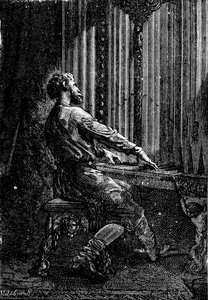
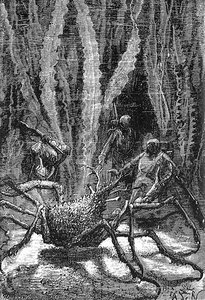
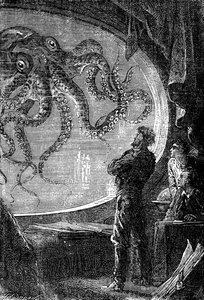
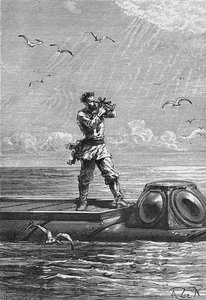
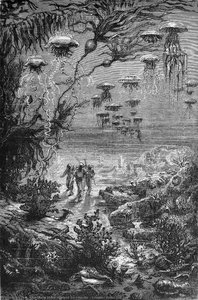
De Neuville quickly established himself as a painter deeply engaged with the conflicts defining his era. He didn’t merely depict war; he immersed himself in its realities, drawing upon personal experiences – including service during the Franco-Prussian War – to lend authenticity to his work. This commitment to realism, combined with a talent for capturing the human cost of conflict, propelled him to prominence. Early successes included depictions of battles from the Crimean War and scenes illustrating episodes from Garibaldi’s campaigns in Italy. However, it was through his collaboration with Jules Verne that de Neuville gained wider recognition. His illustrations for *Twenty Thousand Leagues Under the Seas* brought a visual dynamism to Verne's fantastical underwater world, captivating readers and solidifying de Neuville’s reputation as a versatile artist capable of both historical accuracy and imaginative storytelling. These illustrations weren’t simply accompaniments to the text; they were integral to shaping the public’s perception of Verne’s groundbreaking novel.Master of Military Narrative: Key Works and Artistic Style
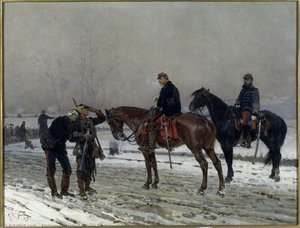
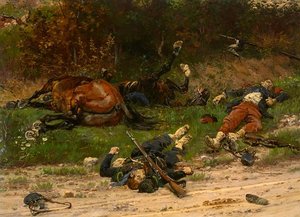
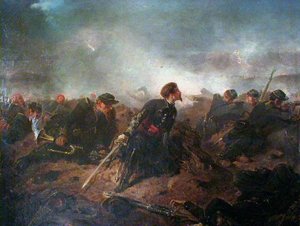
De Neuville's artistic strength lay in his ability to transform historical events into emotionally resonant narratives. His paintings weren’t simply records of battles; they were carefully constructed dramas, filled with compelling characters and a palpable sense of urgency. “The Charge of the Light Brigade” (1860), a poignant depiction of the disastrous Crimean War cavalry charge, exemplifies this approach. The painting doesn't glorify warfare but rather conveys the bravery and futility of the soldiers caught in the crossfire. Similarly, "The Defense of Palma Major" (1875), illustrating a harrowing episode from the Zulu War, showcases de Neuville’s mastery of dramatic composition and his ability to capture the intensity of close-quarters combat. His style is characterized by meticulous detail, realistic portrayals of uniforms and weaponry, and a skillful use of light and shadow to create atmosphere and heighten emotional impact. He wasn't interested in grand allegories or idealized heroism; instead, he focused on the individual experiences of soldiers – their courage, fear, and suffering.Legacy and Enduring Appeal
Alphonse de Neuville’s untimely death in 1885 robbed the art world of a significant talent. However, his legacy endures through the numerous paintings that continue to captivate audiences today. His works are held in prestigious collections such as the Hermitage Museum in St. Petersburg and the Metropolitan Museum in New York, testaments to their artistic merit and historical significance. Beyond these institutional holdings, de Neuville’s art enjoys a broad popular appeal, fueled by a renewed interest in 19th-century military history and a desire for authentic depictions of past conflicts. Today, high-quality reproductions – available through platforms like ArtsDot and ArtsDot – allow art enthusiasts to bring the drama and historical depth of de Neuville’s masterpieces into their own homes. His paintings serve not only as artistic achievements but also as powerful reminders of the human cost of war and the enduring spirit of those who fought in it.Influences and Artistic Development
- Eugène Delacroix: The most significant influence on de Neuville’s style, imparting a sense of drama, emotional intensity, and dynamic composition.
- François-Edouard Picot: Provided early training and foundational skills in academic painting techniques.
- Personal Experiences: His service during the Franco-Prussian War directly informed his realistic depictions of military life and combat.
- Jules Verne’s Literature: Collaboration on *Twenty Thousand Leagues Under the Seas* broadened his artistic range and introduced him to a wider audience.
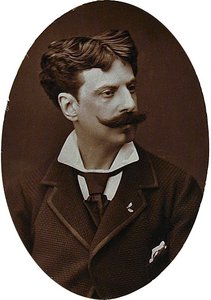
Alphonse de Neuville
1835 - 1885 , France
Quick Facts
- Artistic Movement Or Style: Academic art
- Artists Who Influenced This Artist:
- Eugène Delacroix
- François-Edouard Picot
- Date Of Birth: 1835
- Date Of Death: 1885
- Full Name: Alphonse-Marie-Adolphe de Neuville
- Nationality: French
- Notable Artworks:
- The Charge of the Light Brigade
- The Defense of Palma Major
- Place Of Birth: Saint-Omer, France
Related Articles
William Owen: A Poetic Vision of War & Landscape in British Modernism
Explore the poignant war poetry of Wilfred Owen, a key figure in British Modernism. Discover his innovative style, themes of loss & camaraderie, and lasting impact on 20th-century literature. Analysis & historical context included.
C.R.W. Nevinson: A Vorticist Vision of War & Modernity
Explore the powerful art of C.R.W. Nevinson, a key British Vorticist painter. Discover his impactful depictions of WWI and evolution beyond Futurism. Expert analysis & high-quality reproductions at ArtsDot.
Stephen Bone: A Reassessment of Colour, Form & the British Neo-Romantic Landscape Tradition
Explore the vibrant world of Stephen Bone (1904-1958), a key figure in British Neo-Romanticism. Discover his captivating landscapes, impactful war art & unique artistic style. Learn about his life, influences & legacy.
Romantic Realism's Finest: 10 Masterpieces for Your Home | ArtsDot
Explore 10 defining masterpieces of Romantic Realism! Discover Courbet, Millet & Daumier's powerful paintings—capturing emotion and social realities. Find museum-quality reproductions for your home at ArtsDot.com.
Vasily Vereshchagin: Realism, War & Subversion in 19th-Century Russian Painting
Explore the powerful realism of Vasily Vereshchagin's war paintings & Central Asian scenes. Discover how this Russian master challenged artistic conventions and offered a brutal, honest depiction of 19th-century conflict. Learn about his legacy for discerning collectors.