 Preview
 Send
Send Share
Share
 Details

 Download
 Similars
 X-Ray
X-Ray Diaporama
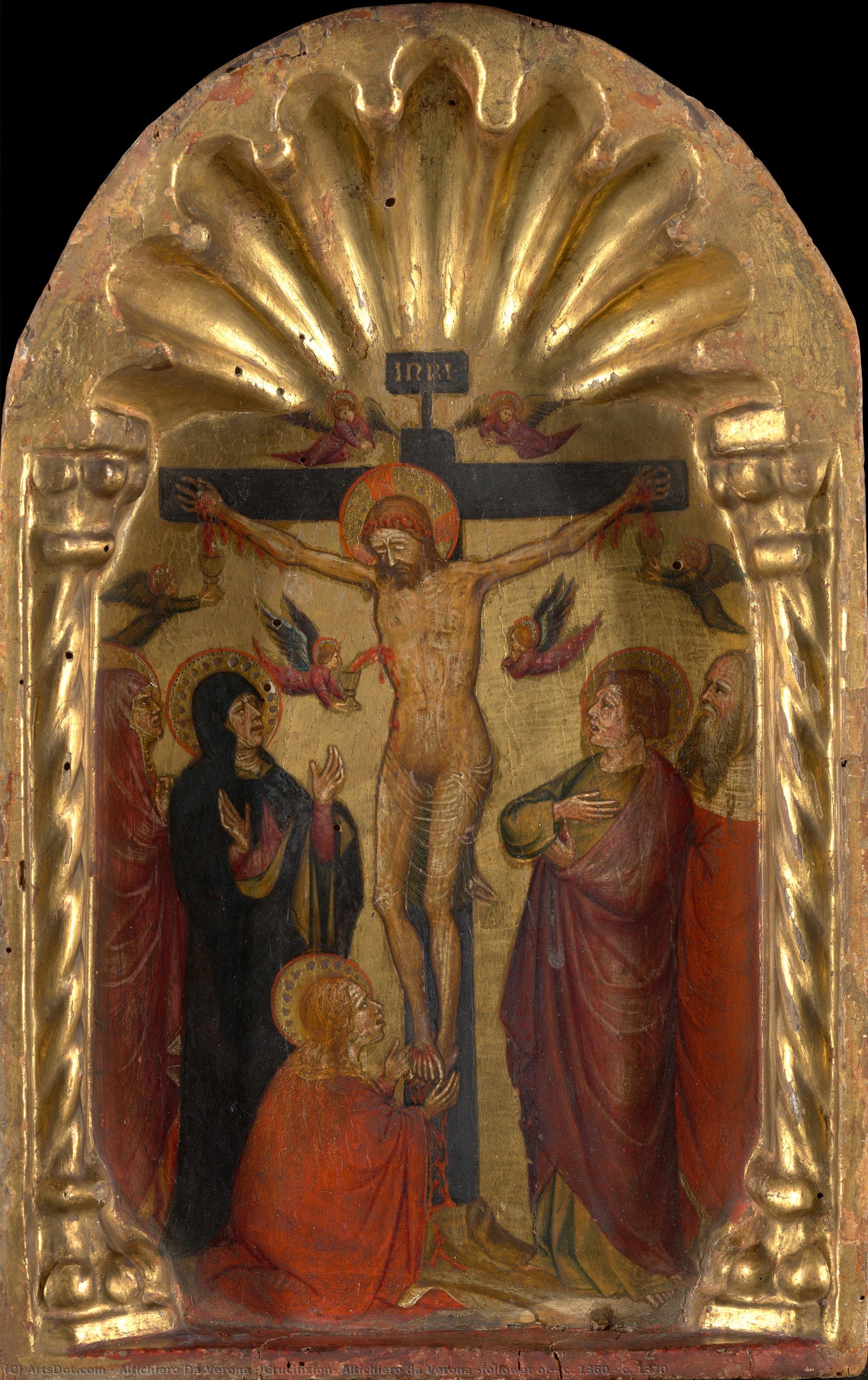
Crucifixion, Altichiero da Verona (follower of), c. 1360 - c. 1370
 1370
1370 33.0 x 21.0 cm
 Read More
Hand Made Oil Reproduction
Hand-painted oil on canvas in your size and frame, made to order by our artists. ( Buy Print Buy Image)




































Pick from our preset sizes that match the artwork's original proportions.

You may enter your own dimensions to fit a specific frame or space. If your selected size does not match the original image's proportions, we will either crop the artwork or extend the painting with additional hand-painted elements. A digital mockup will be sent for your approval before production begins.
Please note that the on-screen preview does not reflect the actual cropping or extension. Only the mockup will accurately show the final composition.
While custom sizes are available, we recommend selecting a dimension from the predefined list to preserve the original proportions.
After order, ArtsDot.com team will email client for instructions and provide a mockup preview
Worldwide Delivery () in 3/4 weeks instead of standard 5 weeks. (6 September). No compromise on quality.

Free Worldwide Express Shipping

High-Quality Linen Canvas

Full Shipping Insurance

Customs Tax Refund Guarantee

True Color Matching Guarantee

60-Day Return Policy (Defects Only)

100% Money-Back Guarantee

Bulk Discount Offer
 Glass option is only available in size under 110 CM

Crucifixion, Altichiero da Verona (follower of), c. 1360 - c. 1370
Reproduction Medium
Reproduction Size
-


Total Price
$ 263
Related Artworks







Artist Biography
Altichiero da Verona: A Master of Gothic Emotion
Altichiero da Zevio, a name that resonates through the annals of 14th-century Venetian art, was more than just a painter; he was a pivotal figure in establishing a distinct Veronese school and profoundly influencing generations of artists. Born around 1330 in Zevio, near Verona, and tragically dying circa 1390 in the same city, Altichiero’s life coincided with a period of immense artistic transformation – the waning years of Gothic influence and the burgeoning rise of Early Renaissance styles. His legacy rests primarily on his frescoes, particularly those he executed in Padua and Verona, where his innovative approach to narrative and emotional depth continues to captivate viewers today.Early Life and Influences: A Giotto-Inspired Vision
Altichiero’s artistic journey is inextricably linked to the revolutionary work of Giotto di Bondone. While the precise nature of his training remains somewhat shrouded in mystery, it's widely believed that Altichiero spent formative years studying the frescoes within Padua’s Cappella degli Scrovegni – a space where Giotto had already begun to dismantle traditional Byzantine conventions and introduce a more naturalistic, emotionally resonant style. This exposure to Giotto’s groundbreaking techniques—his use of perspective, his emphasis on human emotion, and his ability to convey narrative through gesture and expression—clearly shaped Altichiero's own artistic vision. Furthermore, some scholars suggest that he may have even been apprenticed to one of Giotto’s pupils, solidifying the connection between their styles. The influence of Lombard painting, particularly its emphasis on decorative elements and rich color palettes, also played a role in shaping his early work.Key Works: Frescoes as Dramatic Narratives
Altichiero's most celebrated works are undoubtedly his frescoes, which demonstrate a remarkable ability to combine Gothic elegance with Giotto’s innovations. The *Crucifixion* (circa 1360-1370), housed in the collection of ArtsDot.com, is a prime example of this synthesis. Unlike many depictions of the crucifixion that emphasize suffering and despair, Altichiero presents a scene imbued with a sense of quiet contemplation and profound sorrow. The figures are rendered with remarkable sensitivity, their faces conveying a range of emotions—not just pain, but also acceptance and resignation. Similarly, his work on the *Parrocchiale* in Verona showcases his mastery of storytelling through visual narrative. The frescoes within this church depict scenes from the life of St. George, employing a complex arrangement of figures and architectural elements to create a dynamic and engaging composition. His contribution to the Basilica of Sant’Antonio in Padua is equally noteworthy, particularly the cycle of frescoes illustrating the life of Saint Anthony.Technique and Style: Gothic Refinement Meets Humanism
Altichiero's style can be characterized as a sophisticated blend of Gothic refinement and nascent humanistic ideals. He retained many of the traditional Gothic conventions—the use of elongated figures, intricate decorative details, and rich color palettes—but infused them with a greater sense of naturalism and emotional depth. His figures possess a remarkable degree of volume and plasticity, achieved through careful attention to anatomy and drapery. He skillfully employed perspective, albeit in a somewhat rudimentary manner, to create the illusion of space and depth within his compositions. Notably, Altichiero’s use of grayscale in works like “Head of Charles IV” demonstrates an early exploration of tonal values and shading—a technique that would become increasingly important during the Renaissance.Legacy and Historical Significance
Despite a period of obscurity following his death, Altichiero da Verona is now recognized as a key figure in Veronese art history and a crucial link between Gothic and Early Renaissance styles. He is credited with establishing the Veronese school of painting, influencing subsequent generations of artists such as Giovanni Badile da Verona and Martino da Verona. His innovative approach to narrative and emotional expression—his ability to imbue religious scenes with profound human feeling—continues to resonate with viewers today. His work serves as a testament to the enduring power of art to evoke emotion and inspire contemplation, solidifying his place as a significant contributor to the rich artistic heritage of Italy. The availability of high-quality reproductions through platforms like ArtsDot.com ensures that Altichiero’s masterpieces can be appreciated by audiences worldwide.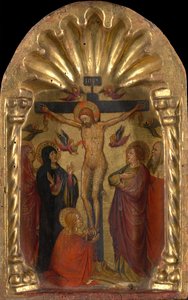
altichiero da verona
Italy
Quick Facts
- Artistic Movement Or Style: Gothic frescoes
- Artists Or Movements Influenced By This Artist: ['Veronese school']
- Artists Who Influenced This Artist: ['Giotto']
- Date Of Birth: c. 1330
- Date Of Death: c. 1390
- Full Name: Altichiero da Zevio
- Nationality: Italian
- Notable Artworks:
- Crucifixion
- Self-portrait
- Head of Charles IV
- Place Of Birth: Zevio, Italy