 Preview
 Send
Send Share
Share
 Details

 Download
 Similars
 X-Ray
X-Ray Diaporama
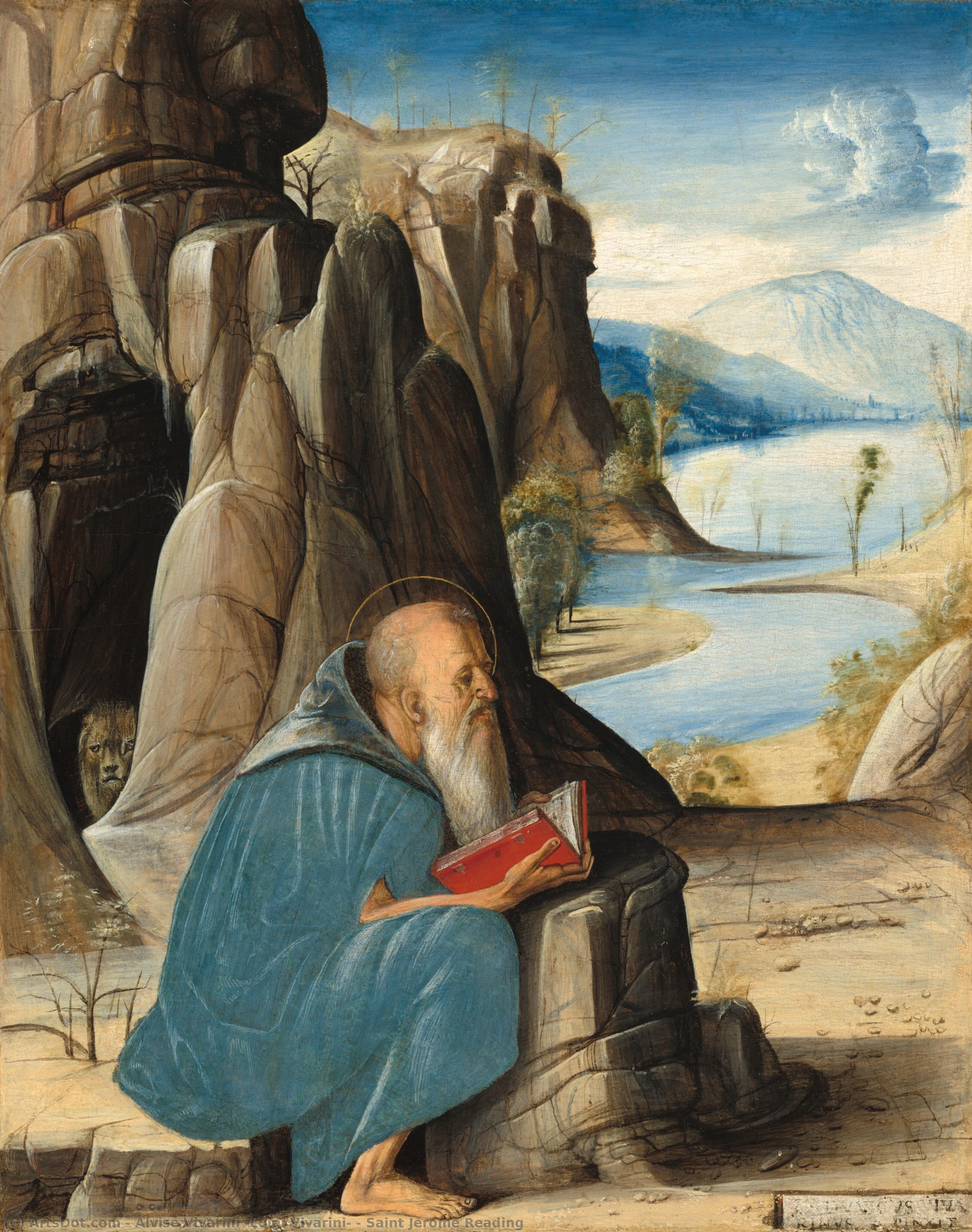
Saint Jerome Reading
 1476
1476 47.0 x 42.0 cm
 Read More
Giclée / Art Print
Museum-quality giclée or canvas print with fast production and flexible finish options. ( Buy Hand Made Painting Buy Image)




































Pick from our preset sizes that match the artwork's original proportions.

You may enter your own dimensions to fit a specific frame or space. If your selected size does not match the original image's proportions, we will either crop the artwork or extend the image with a mirrored or solid-fill edge. A digital mockup will be sent for your approval before production begins.
Please note that the on-screen preview does not reflect the actual cropping or extension. Only the mockup will accurately show the final composition.
While custom sizes are available, we recommend selecting a dimension from the predefined list to preserve the original proportions.
Worldwide Delivery () in 2 weeks instead of standard 4/5 weeks. (20 August)

Free Worldwide Express Shipping

High-Quality Linen Canvas

Full Shipping Insurance

Customs Tax Refund Guarantee

True Color Matching Guarantee

60-Day Return Policy (Defects Only)

100% Money-Back Guarantee

Bulk Discount Offer
 Glass option is only available in size under 110 CM

Saint Jerome Reading
Giclée / Art Print
Reproduction Size
-


Total Price
$ 63
Related Artworks



Artist Biography
The Radiant Legacy of Alvise Vivarini
In the shimmering, water-bound world of the Venetian Renaissance, few names evoke the luminous splendor of the era quite like Alvise Vivarini, often known to history as Luigi Vivarini. Born in Venice around 1446, Vivarini was not merely a painter but a vital architect of color during a period of profound artistic transformation. Emerging from a lineage deeply embedded in the Venetian tradition—most notably under the influence of his relative, Castagno Vivarini—Alvise possessed an innate understanding of the city's unique light and its ability to dance across surfaces. His early years were defined by a rigorous pursuit of mastery, shaped significantly by his time in the orbit of Giovanni Bellini. This mentorship was transformative, gifting Vivarini with a sophisticated grasp of tonal harmony and a sensitivity to the subtle gradations of light that would become the hallmark of his mature style.
As his career flourished, Vivarini established a workshop that became a beacon of innovation within the Venetian Republic. While many of his contemporaries adhered to more muted, somber palettes, Alvise dared to embrace a vibrant, almost electric spectrum of color. He was a master of the glazing technique, a painstaking process involving the application of multiple translucent layers of pigment. This method allowed light to penetrate the paint and reflect back from the underlying layers, creating an internal glow that gave his works an unparalleled depth and brilliance. Whether depicting the divine or the earthly, his canvases possessed a rhythmic vitality, characterized by a bold departure from tradition that signaled the approaching dawn of a new aesthetic era.
Devotion and Mastery in Form
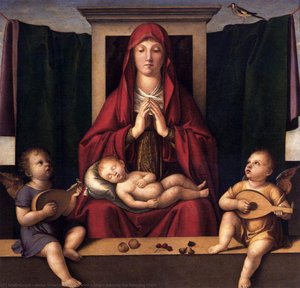
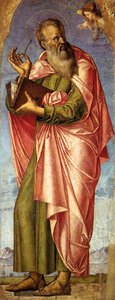
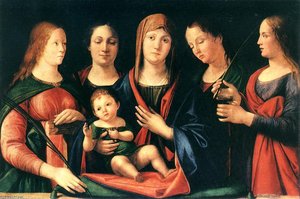
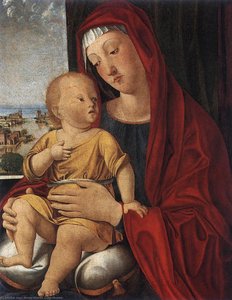
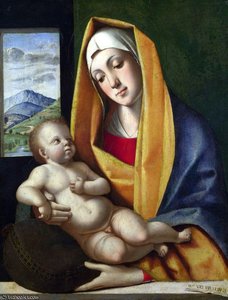
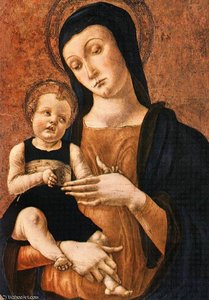
The breadth of Vivarini’s oeuvre reflects the dual nature of Renaissance life: the profound spiritual devotion of the age and the rising prestige of the Venetian merchant class. His commissions were often grand in scale and deeply religious in intent, designed to inspire awe within the sacred spaces of Venice and beyond. Through his hands, biblical narratives were transformed into immersive visual experiences. In works such as St Matthew, one can witness his ability to capture a sense of divine serenity through meticulous detail and a commanding presence that commands the viewer's attention. His religious compositions, including tender depictions like Mary with the Child, demonstrate a profound empathy, using soft light and rich textures to evoke the tenderness of the Madonna.
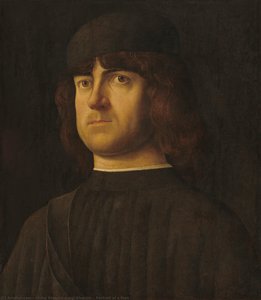
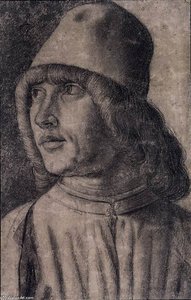
Beyond the realm of the sacred, Vivarini’s skill extended into the intimate sphere of portraiture, where he captured the very essence of the Venetian soul. His Portrait of a Man, created in 1497, stands as a testament to his technical prowess and psychological insight. In this masterpiece, the interplay of light and shadow—the chiaroscuro—is used not just to define form, but to suggest the character and status of the sitter. The rich textures of fabric and the astute observation of human features reveal an artist who was as much a chronicler of humanity as he was a painter of saints.
A Lasting Impression on Venetian Art
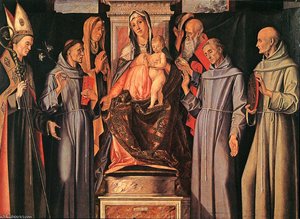
The historical significance of Alvise Vivarini lies in his role as a bridge between the structured traditions of the early Quattrocento and the more fluid, atmospheric innovations of the High Renaissance. His ability to secure prestigious patronage from influential families such as the Mocenigo and Dorsoduro clans speaks to his standing as a premier artist of his time. His influence stretched far beyond the borders of Venice; his frescoes in Rome, specifically within San Luigi dei Francesi, showcased a monumental capability that resonated with the evolving tastes of the Italian peninsula.
Ultimately, Vivarini’s contribution to art history is measured by his mastery of light and his fearless use of color. He helped define the "Venetian School" as one characterized by colore—the primacy of color and light over the strict disegno (drawing) favored in Florence. By layering pigment to achieve a luminous, breathing surface, he paved the way for future masters to explore the emotive power of the palette. Today, his works remain enduring symbols of an era when art, faith, and the unique atmosphere of Venice converged to create something truly eternal.
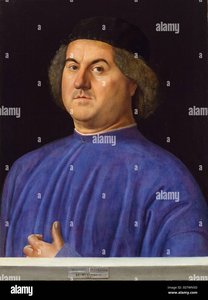
alvise vivarini (luigi vivarini)
1446 - 1502 , Italy
Quick Facts
- Artistic Movement Or Style: Early Renaissance
- Artists Who Influenced This Artist: ['Castagno Vivarini']
- Date Of Birth: 1446
- Full Name: Luigi Vivarini
- Nationality: Italian
- Notable Artworks:
- Portrait of a Man
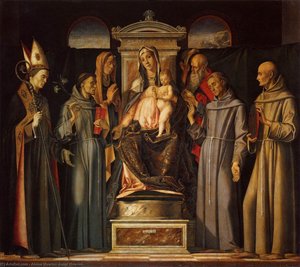
- Mary and Child with Sts Mary Magdalene and Catherine
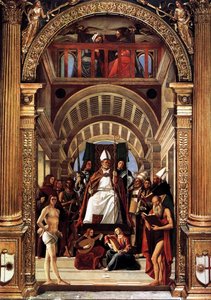
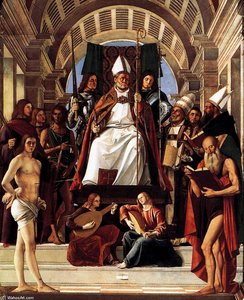
- Altarpiece of St Ambrose (detail)
- Place Of Birth: Venice, Italy