

 Preview
 Send
Send Share
Share
 Details

 Download
 Similars
 X-Ray
X-Ray Diaporama
Gustave Flaubert – La Légende de Saint Julien L´Hospitalier


 Read More
Purchase a high-resolution, enhanced digital image, far superior to the online preview.
Each file is meticulously prepared by our in-house specialists using advanced tools and expert manual retouching. We ensure every image has exceptional clarity, precise color accuracy, and fine detail.
The final file is delivered via email within 72 hours, optimized for immediate use in professional, editorial, and print environments. This is the same quality trusted by top-tier design studios, publishers, and galleries.
Digital Image
Download a high-resolution file for personal display, printing, and creative projects. ( Buy Print Buy Hand Made Painting)
Included in Every Digital Image Order
Expert Digital Delivery, Guaranteed
When you choose ArtsDot.com, you're not just getting an image - you're receiving a professionally enhanced digital artwork, crafted with precision and backed by a satisfaction guarantee. Here's everything that comes with your order, automatically:

Fast Email Delivery
Your high-resolution digital image file will be emailed to you within 72 hours of ordering - ready for immediate use.

AI-Enhanced Digital File
Your artwork is professionally optimized using advanced AI tools and manual editing, ensuring maximum detail, clarity, and color accuracy.

Free Lifetime Re-Delivery
Accidentally deleted or lost your file? No worries - we'll resend it to you anytime, free of charge.

No Import Fees - Ever
Enjoy your artwork instantly with zero customs, duties, or delivery fees - digital downloads are always tax-free.

Color Accuracy Guarantee
We ensure your digital image reflects the original colors as closely as possible using professional tools and color management.

60-Day Satisfaction Guarantee
If you're not satisfied with your digital image, we'll revise it or refund 100% within 60 days - no questions asked.

100% Money-Back Guarantee
Not satisfied? Get a full refund within 60 days of receiving your digital file - no questions asked.

Bulk Order Discounts
Buy 3 images, save 10% - Buy 5, save 15% - Buy 10+, save 20%. Great for creative projects, galleries, and agencies.
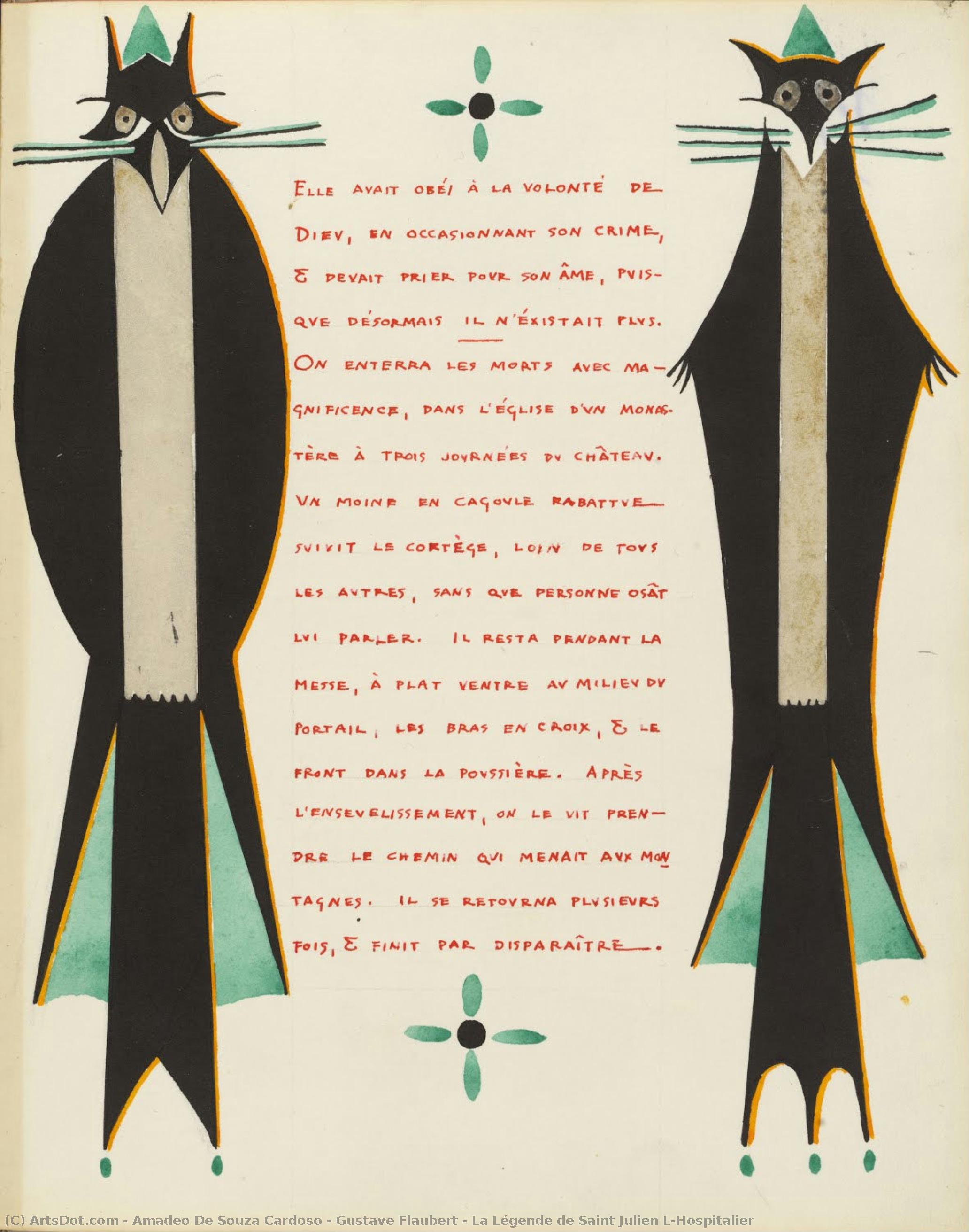
A Glimpse of Parisian Shadows: Amadeo de Souza-Cardoso’s “La Légende de Saint Julien L’Hospitalier”
Amadeo de Souza-Cardoso's 1912 painting, "La Légende de Saint Julien L’Hospitalier," isn't merely a depiction of a biblical tale; it’s a haunting meditation on guilt, redemption, and the quiet dignity of a life lived in shadow. Commissioned for Gustave Flaubert’s illustrated edition of the same legend, this work transcends its literary source, becoming a potent symbol of Portuguese modernism grappling with themes of morality, violence, and the elusive nature of grace. Souza-Cardoso, a pivotal figure bridging the gap between European artistic movements – from the vibrant energy of Cubism to the expressive fervor of early Expressionism – masterfully captures the story’s core through a strikingly intimate and emotionally charged composition.
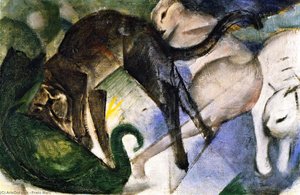
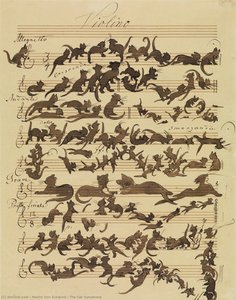
The scene unfolds within a dimly lit interior, dominated by a rough-hewn wall adorned with a fragmented poem or inscription. Two cats, rendered in meticulous detail using Indian ink on paper—a technique that lends the image an almost photographic quality—occupy the foreground. Their open mouths, seemingly fixed in a silent scream, immediately draw the viewer’s attention, injecting an unsettling element of surprise and vulnerability into the narrative. The positioning of these feline figures – one to the left, the other to the right – creates a dynamic tension, mirroring the dual nature of Saint Julien's story: his descent into brutality and his subsequent embrace of compassion. The wall behind them, with its cryptic text, hints at the weight of past sins and the ongoing struggle for spiritual cleansing.
The Artist’s Vision: Souza-Cardoso and the Portuguese Modernist Movement
Born in 1887 in Manhufe, Portugal, Amadeo de Souza-Cardoso was a key player in the burgeoning Portuguese modernist movement. His early training in architecture provided a foundation for his artistic explorations, but it was his immersion in Parisian avant-garde circles – including collaborations with figures like Modigliani and Brancusi – that truly shaped his distinctive style. Souza-Cardoso’s work is characterized by its bold use of color, fragmented forms, and a willingness to experiment with new techniques. He sought to break free from traditional academic conventions, embracing the dynamism and expressive potential of contemporary art.
The choice of Indian ink as his primary medium speaks volumes about Souza-Cardoso’s artistic philosophy. The monochrome palette—a stark contrast to the vibrant hues often associated with modernism—creates a sense of melancholy and introspection. It emphasizes the emotional weight of the story, stripping away any superficial ornamentation and focusing on the raw essence of human experience. The meticulous detail achieved through ink drawing reflects his commitment to precision and control, while simultaneously conveying a feeling of intimacy and immediacy.
Symbolism and Narrative Depth
Beyond its surface narrative, “La Légende de Saint Julien L’Hospitalier” is rich in symbolic meaning. The cats themselves are often interpreted as representing the duality of human nature – our capacity for both cruelty and compassion. Their open mouths can be seen as a visual metaphor for suppressed cries or unspoken regrets. The poem on the wall serves as a reminder of the consequences of past actions, suggesting that even the most seemingly insignificant transgressions can have profound repercussions.
Saint Julien’s story is fundamentally about transformation and forgiveness. The artist doesn't depict the violent acts themselves but rather focuses on the aftermath—the quiet suffering and eventual redemption of a man haunted by his sins. Souza-Cardoso subtly conveys this sense of spiritual awakening through the composition, suggesting that true grace can be found not in grand gestures or heroic deeds, but in humble service and unwavering empathy.
A Legacy of Innovation: Reproductions and Artistic Resonance
Reproductions of “La Légende de Saint Julien L’Hospitalier” offer a remarkable opportunity to experience the depth and complexity of Souza-Cardoso's vision. The painting’s evocative imagery and haunting atmosphere continue to resonate with viewers today, serving as a powerful reminder of the enduring themes of guilt, redemption, and the search for meaning in a chaotic world. Whether displayed in a private collection or incorporated into an interior design scheme, this artwork invites contemplation and offers a glimpse into the heart of Portuguese modernism.
Related Artworks
Artist Biography
A Pioneer of Portuguese Modernism: The Life and Art of Amadeo de Souza-Cardoso
Amadeo de Souza-Cardoso, a name resonating with the vibrant energy of early 20th-century modernism, remains a somewhat enigmatic figure despite his pivotal role in bridging Portuguese art to the international avant-garde. Born on November 14, 1887, in Manhufe, a picturesque parish of Amarante in Portugal, his brief but intensely creative life was marked by a restless spirit and an unwavering dedication to artistic innovation. From humble beginnings rooted in the rural landscapes of his homeland, Souza-Cardoso embarked on a journey that would lead him to the heart of Parisian modernism, where he forged connections with some of the most influential artists of his time – Modigliani, Brancusi, Delaunay, and Gris among them. His early education began with architectural studies in Lisbon, but it was the allure of painting, particularly the expressive power of caricature, that truly captured his imagination and set him on a path toward artistic exploration. This initial foray into art wasn’t merely technical training; it was an awakening to the potential of visual language as a means of commentary and self-expression.Parisian Encounters and Artistic Development
The year 1906 marked a turning point, as Souza-Cardoso relocated to Paris, immersing himself in the city’s thriving artistic milieu. Initially continuing his architectural pursuits, he soon gravitated towards painting, quickly absorbing the radical ideas that were reshaping the art world. The influence of Cubism and Futurism became increasingly apparent in his work around 1910, establishing him as one of Portugal's first true modern painters. However, Souza-Cardoso didn’t simply mimic these movements; he synthesized them with his own unique sensibility, creating a style characterized by bold forms, vibrant colors, and dynamic compositions. His paintings weren’t merely representations of reality but rather explorations of perception, emotion, and the very essence of form itself. Works like *Saut du Lapin* (1911) and *Cabeça* (1913) exemplify this period, showcasing his experimentation with fragmented perspectives and a heightened sense of chromatic intensity. These weren’t chaotic arrangements but carefully balanced structures, revealing a deliberate artistic vision beneath the surface of apparent randomness. He participated in key exhibitions, including the Salon des Indépendants and, crucially, the groundbreaking 1913 Armory Show in New York, bringing his innovative work to an international audience.A Synthesis of Influences: Between Portugal and Paris
Souza-Cardoso’s artistic journey wasn't a complete severance from his Portuguese roots. Despite embracing the avant-garde spirit of Paris, he maintained a strong connection to his homeland, frequently returning to Manhufe. This duality is reflected in his art, where themes and motifs drawn from Portuguese culture – religious processions, rural landscapes, folk traditions – are interwoven with modernist techniques. *Entrada* (1917) and *Pintura* (1917), created during a period of renewed engagement with Portugal, demonstrate this synthesis, showcasing an increasing tendency towards abstraction while retaining a distinctly Portuguese flavor. This ability to reconcile seemingly disparate influences was a hallmark of his artistic genius. He wasn’t simply adopting styles; he was transforming them, imbuing them with his own unique perspective and creating something entirely new. His work became a dialogue between cultures, a testament to the power of art to transcend geographical boundaries.Legacy and Remembrance: A Lasting Impact
Tragically, Amadeo de Souza-Cardoso’s promising career was cut short by his untimely death on October 25, 1918, at the age of just thirty. He succumbed to pneumonia during the Spanish Flu pandemic, leaving behind a relatively small but remarkably impactful body of work. For many years, his contributions were overlooked, overshadowed by more prominent figures in the modernist movement. However, in recent decades, there has been a growing recognition of his significance as a pioneer of Portuguese modernism and an important voice within the broader European avant-garde. Two major retrospectives – one in 1958 and another at the Grand Palais in Paris in 2016 – have helped to reintroduce his work to a wider audience, solidifying his place in art history. Today, his paintings can be found in museums around the world, including the Plymouth City Museum and Art Gallery, alongside works by other notable artists. His legacy continues to inspire contemporary artists, serving as a reminder of the power of artistic innovation and the enduring importance of cultural exchange.Key Characteristics of Souza-Cardoso’s Work
- Innovative Style: A pioneering approach to modern Portuguese art, blending Cubism, Futurism, and his own unique sensibility.
- Vivid Color Palette: Characterized by aggressive and vibrant use of color, creating dynamic and emotionally resonant compositions.
- Dynamic Composition: Often employing fragmented perspectives and seemingly chaotic arrangements that are, in fact, carefully balanced and structured.
- Cultural Synthesis: A unique ability to integrate Portuguese themes and motifs with modernist techniques, creating a dialogue between cultures.
- Early Abstraction: Exploration of abstraction, particularly in his later works, pushing the boundaries of representational art.
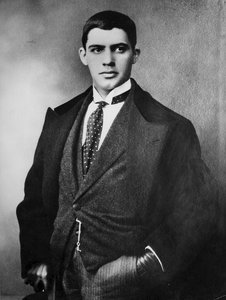
Amadeo de Souza-Cardoso
1887 - 1918 , Portugal
Quick Facts
- Artistic Movement Or Style: Cubism, Futurism, Modernism
- Artists Who Influenced This Artist:
- Modigliani
- Brancusi
- Delaunay
- Date Of Birth: November 14, 1887
- Date Of Death: October 25, 1918
- Full Name: Amadeo de Souza-Cardoso
- Nationality: Portuguese
- Notable Artworks:
- Saut du lapin
- Cabeça
- Entrada
- Pintura
- Place Of Birth: Manhelices, Portugal

