 Preview
 Send
Send Share
Share
 Details

 Download
 Similars
 X-Ray
X-Ray Diaporama
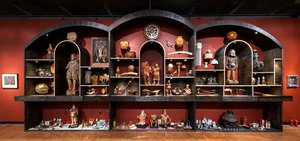
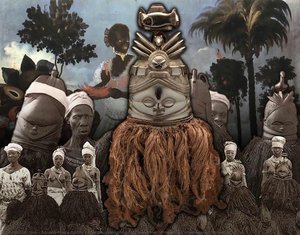
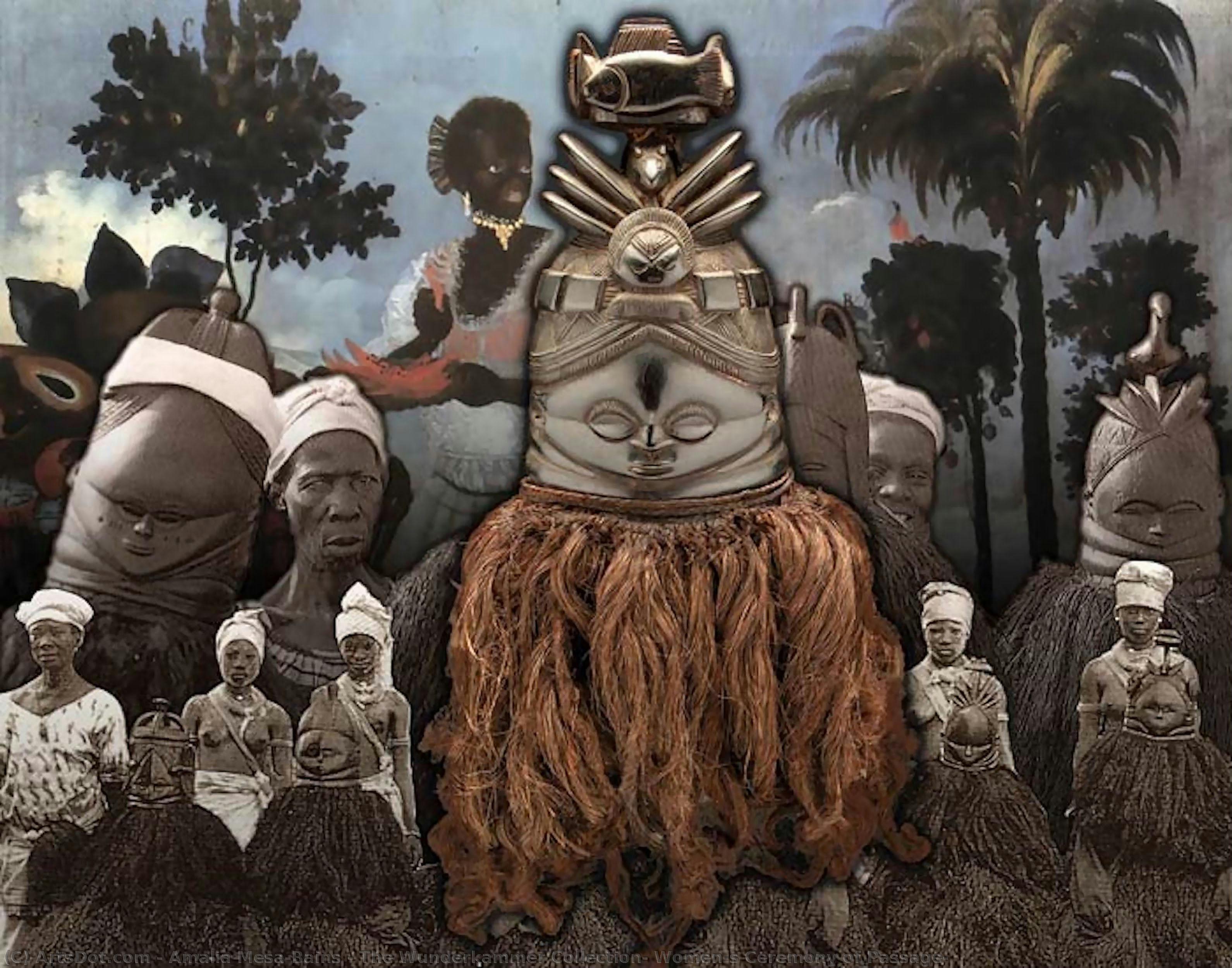
The Wunderkammer Collection: Women’s Ceremony of Passage,


 Read More
Giclée / Art Print
Museum-quality giclée or canvas print with fast production and flexible finish options. ( Buy Hand Made Painting Buy Image)




































Pick from our preset sizes that match the artwork's original proportions.

You may enter your own dimensions to fit a specific frame or space. If your selected size does not match the original image's proportions, we will either crop the artwork or extend the image with a mirrored or solid-fill edge. A digital mockup will be sent for your approval before production begins.
Please note that the on-screen preview does not reflect the actual cropping or extension. Only the mockup will accurately show the final composition.
While custom sizes are available, we recommend selecting a dimension from the predefined list to preserve the original proportions.
Worldwide Delivery () in 2 weeks instead of standard 4/5 weeks. (28 August)

Free Worldwide Express Shipping

High-Quality Linen Canvas

Full Shipping Insurance

Customs Tax Refund Guarantee

True Color Matching Guarantee

60-Day Return Policy (Defects Only)

100% Money-Back Guarantee

Bulk Discount Offer
 Glass option is only available in size under 110 CM

The Wunderkammer Collection: Women’s Ceremony of Passage,
Giclée / Art Print
Reproduction Size
-


Total Price
$ 63
Related Artworks






Artist Biography
The Sacred Architecture of Memory: The Art of Amalia Mesa-Bains
Amalia Mesa-Bains stands as a pivotal figure in Chicana art, recognized for her groundbreaking approach to visual storytelling through monumental altar installations that delve into the profound intersection of Mexican American women’s spiritual practices and broader cultural narratives. Born in 1943 in Santa Clara, California, Mesa-Bains's artistic journey was shaped by a unique blend of academic rigor and deep-rooted cultural traditions. Her formal training began with painting at San Jose State University, but it was her subsequent studies in interdisciplinary studies and clinical psychology at San Francisco State University and Berkeley’s Wright Institute that provided the intellectual scaffolding for her conceptual explorations. This multidisciplinary background allowed her to approach art not merely as a visual medium, but as a psychological and sociological tool capable of excavating layers of identity and historical trauma.
The formative years of Mesa-Bains were steeped in the vibrant cultural landscape of California’s Mexican American community, where the boundaries between the sacred and the everyday are often beautifully blurred. Growing up amidst traditions rooted in Catholicism and indigenous beliefs—particularly the veneration of la Virgen de Guadalupe—influenced her artistic vision from its inception. Her early career saw her making marks on the San Francisco art scene, notably with her debut at the 1967 Phelan Awards show. However, a transformative shift occurred in 1975 when she began engaging deeply with altar iconography. This period marked the birth of her signature style: the creation of ofrendas and installations that serve as meticulously crafted representations of faith, remembrance, and feminist reclamation.
Symbolism and the Altar as a Living Archive
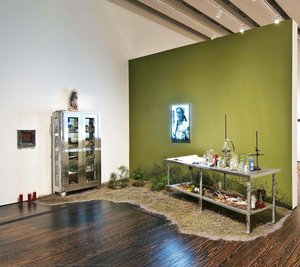
For Mesa-Bains, the altar is far more than a decorative object; it is a site of ritualistic performance and a vessel for cultural memory. Her installations often function as Wunderkammer—or cabinet of curiosities—where disparate elements are brought together to create a cohesive narrative of heritage. She masterfully incorporates symbolic materials that bridge the gap between the physical and the spiritual, using items such as:
- Dried leaves and organic matter: Representing the cycles of life, death, and the enduring connection to the earth.
- Rocks and minerals: Serving as anchors of geological time and ancestral presence.
- Fragments of pre-Columbian ceramics: Reconnecting the contemporary Chicana experience to ancient indigenous lineages.
- Religious iconography: Utilizing the visual language of Catholicism to explore themes of devotion and resistance.
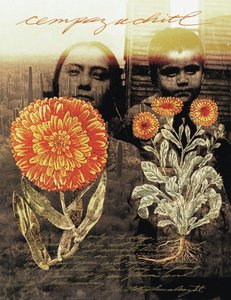
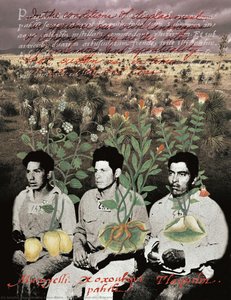
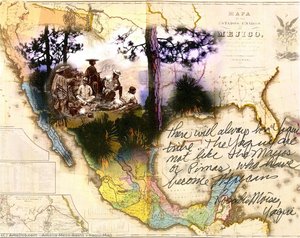
Through these elements, her work—such as the evocative Curandera—captures the essence of spiritual healing and the role of the healer within the community. Her pieces do not merely sit in a gallery space; they invite the viewer into a sacred encounter, demanding an engagement with the complex histories of those who have navigated the margins of society. In works like Yaqui Map, she further expands this scope, using landscape and cultural mapping to illustrate the profound connection between people and their ancestral territories.
Legacy and Historical Significance
The historical significance of Amalia Mesa-Bains lies in her ability to transform the personal, domestic ritual of the altar into a powerful political and artistic statement. By elevating the ofrenda—a practice often relegated to the private, feminine sphere—to the scale of monumental installation art, she has reclaimed space for Chicana voices within the canon of contemporary art. Her work challenges the traditional boundaries between fine art and folk tradition, asserting that the spiritual practices of marginalized women are essential components of the broader human narrative.
As an author and educator, Mesa-Bains continues to influence generations of artists by providing a framework for exploring identity through installation. Her legacy is found in the way her work forces a confrontation with the past, using the tools of memory to build a more inclusive future. Through her meticulous layering of history, psychology, and spirituality, she has ensured that the stories of resilience, cultural reclamation, and feminist strength are not only remembered but vibrantly re-enacted through the medium of art.
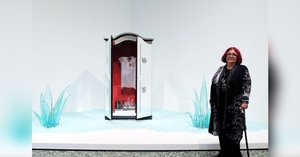
amalia mesa-bains
1943 - , United States of America
Quick Facts
- Artistic Movement Or Style: Chicana Art
- Artists Or Movements Influenced By This Artist: ['Contemporary Installation']
- Artists Who Influenced This Artist:
- Frida Kahlo
- Dolores del Río
- Date Of Birth: July 10, 1943
- Date Of Death: Living
- Full Name: Amalia Mesa-Bains
- Nationality: American
- Notable Artworks:
- Grotto of the Virgins
- Venus Envy
- Curandera
- Place Of Birth: Santa Clara, United States