 Preview
 Send
Send Share
Share
 Details

 Download
 Similars
 X-Ray
X-Ray Diaporama
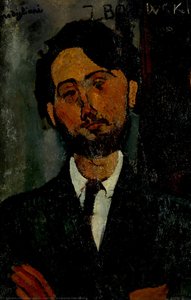
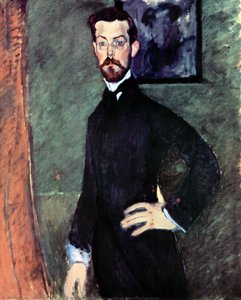
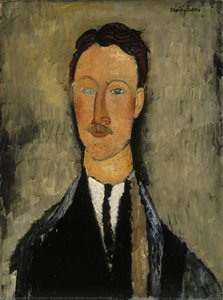
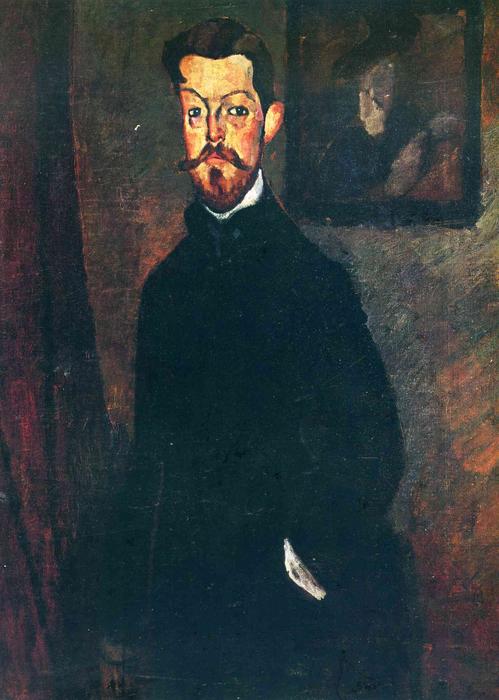
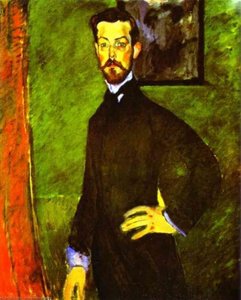
Portrait of Paul Alexandre
 Oil On Canvas
- WallArt
- Expressionism
 1909
1909- Modern
 100.0 x 81.0 cm
 Read More
Hand Made Oil Reproduction
Hand-painted oil on canvas in your size and frame, made to order by our artists. ( Buy Print Buy Image)




P118B $10

P118H $10

P118W $10

P438Z $10

P508JH $12

P508YH $12

P805H $10

P805Z $10

P919BZ $10

P919G $10

P919XJ $10

P959ZH $10

P968JZ $12

W106C $8

W218G $10

W218JH $8

W218Y $10

W307PJ $10

W316G $10

W316PJ $8

W316Y $10

W398PJ $8

W4111J $10

W500HY $15

W500JH $15

W692G $12

W849H $8

W940BG $15

W953PJ $8




Pick from our preset sizes that match the artwork's original proportions.

You may enter your own dimensions to fit a specific frame or space. If your selected size does not match the original image's proportions, we will either crop the artwork or extend the painting with additional hand-painted elements. A digital mockup will be sent for your approval before production begins.
Please note that the on-screen preview does not reflect the actual cropping or extension. Only the mockup will accurately show the final composition.
While custom sizes are available, we recommend selecting a dimension from the predefined list to preserve the original proportions.
After order, ArtsDot.com team will email client for instructions and provide a mockup preview
Worldwide Delivery () in 3/4 weeks instead of standard 5 weeks. (22 August). No compromise on quality.

Free Worldwide Express Shipping

High-Quality Linen Canvas

Full Shipping Insurance

Customs Tax Refund Guarantee

True Color Matching Guarantee

60-Day Return Policy (Defects Only)

100% Money-Back Guarantee

Bulk Discount Offer
 Glass option is only available in size under 110 CM

Portrait of Paul Alexandre
Reproduction Medium
Reproduction Size
-


Total Price
$ 263
Artwork Description
Portrait of Paul Alexandre: A Glimpse into Modigliani's Expressionist World
The Portrait of Paul Alexandre is a captivating oil on canvas painting created by the renowned Italian artist Amedeo Clemente Modigliani in 1909. This artwork stands as a prime example of Expressionism, a style that prioritizes the distortion of reality to convey emotions and inner experiences over strict representational accuracy. Measuring 100 x 81 cm, this painting is a significant work within Modigliani's oeuvre, showcasing his unique ability to capture the essence of his subjects through simplified forms and evocative lines.
The Artist and His Style: Bridging Expressionism and Cubism
Amedeo Clemente Modigliani (1884-1920) was an Italian artist celebrated for his distinctive style, a compelling blend of Expressionism and elements of Cubism. Born in Livorno, Italy, he moved to Paris in 1906, immersing himself in the vibrant artistic scene. His works are characterized by elongated forms, simplified features, and a muted color palette, creating an atmosphere of quiet introspection. The Portrait of Paul Alexandre exemplifies this style perfectly; the subject's face and body are reduced to geometric shapes and lines, reflecting Modigliani’s exploration of form and emotion. This artistic development was influenced by his exposure to avant-garde artists at the Musée National d'Art Moderne in Paris.
Paul Alexandre: The Subject and His Significance
Paul Alexandre (1866–1940) was a French oculist and art collector who became an important patron of Modigliani. He provided financial support to the artist, and several portraits by Modigliani depict him, including this particular piece. Alexandre’s generosity allowed Modigliani to focus on his artistic pursuits during a challenging period in his life. The portrait itself offers a glimpse into Alexandre's personality – a man of intellect and refinement, captured with Modigliani’s signature elongated features and contemplative gaze. The presence of a secondary portrait hanging on the wall behind Alexandre adds depth to the scene, creating an intimate atmosphere and suggesting Alexandre's appreciation for art.
Technique and Composition: A Study in Simplification
Modigliani employed a distinctive technique in Portrait of Paul Alexandre. The painting is executed with visible brushstrokes and a somewhat rough texture, indicative of his expressive style. He utilized oil on canvas, layering the paint to create depth and dimension. The composition is relatively simple, focusing primarily on the subject's face and upper body. Lines are predominantly thick and gestural, contributing to a dynamic surface quality. The color palette is dominated by dark shades of brown, black, and grey, creating a somber and introspective mood. This deliberate use of limited colors enhances the emotional impact of the portrait, drawing attention to Alexandre’s features and conveying a sense of quiet contemplation. The technique involves impasto – thick application of paint – which adds to the textural richness and expressive quality of the work.
Beyond Portraiture: Modigliani's Legacy
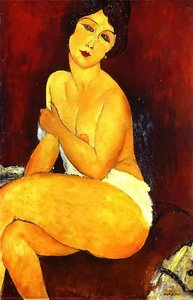
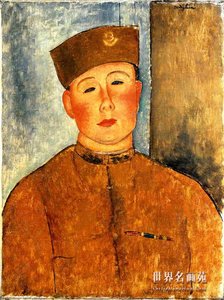
Portrait of Paul Alexandre is not merely a portrait; it’s a significant contribution to the history of modern art, showcasing Modigliani's unique style and his ability to capture the essence of his subjects. Other notable works by Modigliani include The Amazon, Seated Nude, and The Beggar of Livorne, each demonstrating his mastery of form and expression. These paintings, like Portrait of Paul Alexandre, reflect the influence of Proto-Cubism, characterized by geometric shapes and a reduced color palette. Modigliani’s legacy continues to inspire artists and art lovers alike, solidifying his place as one of the most influential figures in 20th-century art.
Related Artworks
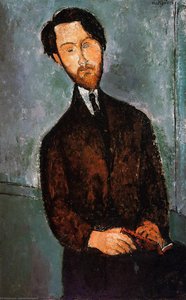
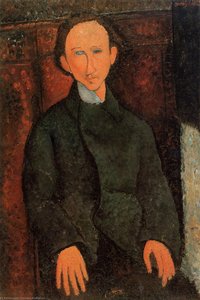
Artist Biography
A Life Etched in Longing: The World of Amedeo Modigliani
Amedeo Clemente Modigliani, a name synonymous with haunting beauty and melancholic grace, remains one of the most beloved and tragically romantic figures of early 20th-century art. Born in Livorno, Italy, in 1884 into a family steeped in Sephardic Jewish heritage, his life was marked by both profound artistic vision and persistent hardship. Frequent illness shadowed his youth – pleurisy and typhoid fever became unwelcome companions – perhaps instilling within him a sensitivity to fragility that would permeate his work. Though born into relative comfort, the family’s financial fortunes waned, adding another layer of complexity to the young Modigliani's formative years. It was a childhood punctuated by intellectual stimulation, thanks to his mother and grandfather who introduced him to the works of Nietzsche, Baudelaire, and Lautréamont, laying the groundwork for an artistic sensibility that would reject conventional norms.
The pull of Paris proved irresistible, and in 1906, Modigliani embarked on a journey that would define his career. The city was then a crucible of artistic innovation, teeming with revolutionary ideas and challenging conventions. He immersed himself in the vibrant art scene, encountering giants like Pablo Picasso and Constantin Brâncuși, figures who profoundly shaped his aesthetic trajectory. Initially drawn to the burgeoning Cubist movement, Modigliani quickly found its rigid geometry too constricting for his expressive needs. His artistic spirit yearned for something more lyrical, more deeply rooted in human emotion. He began a period of intense experimentation, absorbing influences from African sculpture – particularly its elongated forms and simplified features – and the archaic grace of Italian Renaissance art.
The Sculpted Soul: Style and Innovation
Modigliani’s signature style emerged as a unique synthesis of these diverse inspirations. His portraits, arguably his most celebrated works, are instantly recognizable for their elongated faces and necks, almond-shaped eyes devoid of pupils, and an overall sense of serene melancholy. These were not merely likenesses; they were explorations of the inner life, capturing a profound psychological depth in each subject. He stripped away extraneous detail, focusing on essential forms to convey emotion with remarkable economy. His nudes, often controversial during his lifetime, possess a similar quality – a quiet dignity and vulnerability that transcends mere physical representation. The figures are not overtly sensual but rather imbued with a sense of timeless beauty and existential longing.
Beyond painting, Modigliani also dedicated himself to sculpture, creating a series of highly stylized heads and torsos. These sculptures, influenced by African art and Brâncuși’s reductive forms, further demonstrate his commitment to simplifying form and emphasizing essential qualities. Though he exhibited these works briefly with the Section d'Or group in 1912, they were met with harsh criticism and largely withdrawn from public view. This rejection deeply affected Modigliani, contributing to a period of artistic self-doubt and financial hardship.
A Life Marked by Shadows
Modigliani’s personal life was as turbulent as his artistic journey. He struggled with poverty and addiction throughout much of his career, often relying on the generosity of friends and patrons. His relationship with Jeanne Hébuterne, a young artist herself, became the central emotional anchor in his life. They shared a deep love and mutual artistic understanding, but their happiness was tragically short-lived. The pressures of poverty, Modigliani’s declining health, and Jeanne's pregnancy created an unbearable strain. In 1920, devastated by the birth of their daughter and overwhelmed by despair, Jeanne took her own life. Just days later, Modigliani succumbed to tubercular meningitis at the age of only 35.
Legacy of a Lost Generation
Despite facing little recognition during his lifetime, Amedeo Modigliani’s work experienced a dramatic surge in popularity after his death. His paintings and sculptures began to command increasingly high prices, and his distinctive style exerted a profound influence on subsequent generations of artists. He became an icon of the bohemian spirit, embodying the struggles and triumphs of a lost generation grappling with modernity and existential questions.
Today, Modigliani’s works are held in prestigious museums around the world, including the Osaka City Museum of Modern Art, the Musée d'Art Moderne de la Ville de Paris, and numerous private collections. His portraits continue to captivate viewers with their haunting beauty and emotional resonance, serving as a poignant reminder of a life lived on the edge – a life etched in longing, passion, and an unwavering commitment to artistic truth.
Notable Works
- Nude Bust (35 x 26 cm): A quintessential example of Modigliani’s elongated forms and expressive style, showcasing his mastery of the human figure.
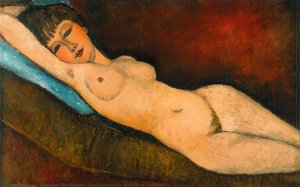
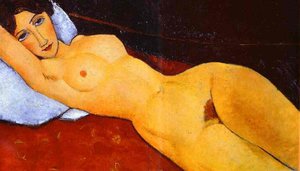
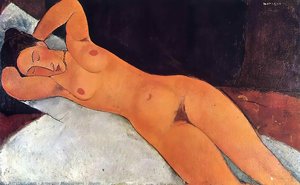
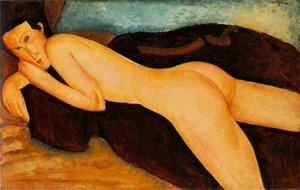
- Reclining Nude with Loose Hair: Demonstrates his ability to capture the essence of femininity with a delicate balance of sensuality and vulnerability.
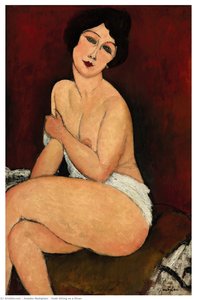
- Seated Female Nude (92 x 60 cm): A powerful depiction of the female form, characterized by its simplified shapes and serene composure.
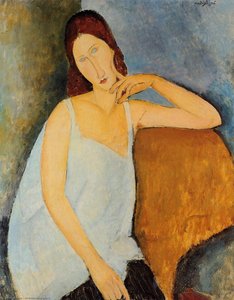
- Portrait of Jeanne Hebuterne: Numerous portraits capturing his lover and muse, revealing a poignant emotional depth and intimate connection.
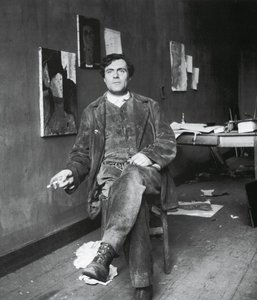
Amedeo Clemente Modigliani
1884 - 1920 , Italy
Quick Facts
- Artistic Movement Or Style: Expressionism
- Artists Or Movements Influenced By This Artist:
- Expressionism
- Modernism
- Artists Who Influenced This Artist:
- Picasso
- Brâncuși
- African sculpture
- Date Of Birth: July 12, 1884
- Date Of Death: January 24, 1920
- Full Name: Amedeo Clemente Modigliani
- Nationality: Italian
- Notable Artworks:
- Nude Bust
- Reclining Nude
- Seated Female Nude
- Portrait of Jeanne Hebuterne
- Place Of Birth: Livorno, Italy
Related Articles
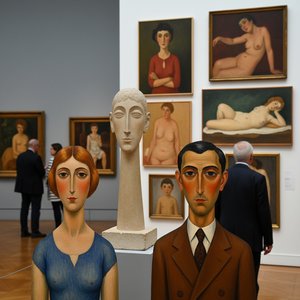
Modigliani's Masterpieces: 25 Iconic Paintings & Sculptures | ArtsDot
Explore 25 iconic artworks by Amedeo Modigliani, from his haunting portraits to captivating sculptures. Discover the stories behind these masterpieces of early 20th-century art & find museum-quality reproductions at ArtsDot.com.
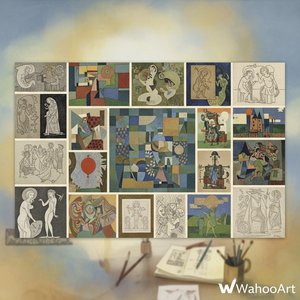
Paul Klee's Masterpieces: Explore 25 Iconic Paintings & Prints | ArtsDot
Journey through Paul Klee's 25 most iconic paintings & prints. Explore his abstract style, Bauhaus influence, and vibrant color palettes. Find museum-quality art reproductions & decor ideas at ArtsDot.com. Discover all masterpieces online.

Cézanne's Masterpieces: 25 Iconic Artworks to Transform Your Space
Journey through 25 iconic artworks by Paul Cézanne – a master of Impressionism and Post-Impressionism. Explore his landscapes, still lifes, and the stories behind these timeless masterpieces. Discover museum-quality reproductions & curated decor at ArtsDot.com.

The Enduring Legacy of Oil on Canvas: Technique, History & Aesthetic Impact
Explore the rich history & techniques of oil painting – from Renaissance masters to Impressionism. Discover pigments, layering methods, and why this timeless medium endures. Expert insights for artists & art enthusiasts.

Oil on Canvas: A Historical & Technical Exploration of a Timeless Artistic Medium
Explore the rich history & enduring techniques of oil painting on canvas. Discover the science behind its longevity, conservation practices, and contemporary relevance. Expert insights for art enthusiasts.