

 Preview
 Send
Send Share
Share
 Details

 Download
 Similars
 X-Ray
X-Ray Diaporama
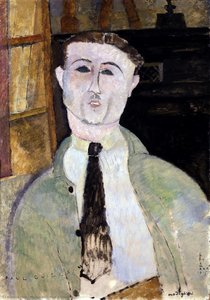
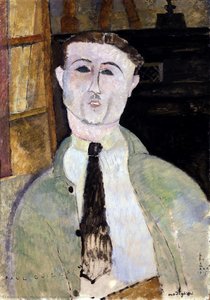
untitled (8978)

 Read More
Purchase a high-resolution, enhanced digital image, far superior to the online preview.
Each file is meticulously prepared by our in-house specialists using advanced tools and expert manual retouching. We ensure every image has exceptional clarity, precise color accuracy, and fine detail.
The final file is delivered via email within 72 hours, optimized for immediate use in professional, editorial, and print environments. This is the same quality trusted by top-tier design studios, publishers, and galleries.
Digital Image
Download a high-resolution file for personal display, printing, and creative projects. ( Buy Print Buy Hand Made Painting)
Included in Every Digital Image Order
Expert Digital Delivery, Guaranteed
When you choose ArtsDot.com, you're not just getting an image - you're receiving a professionally enhanced digital artwork, crafted with precision and backed by a satisfaction guarantee. Here's everything that comes with your order, automatically:

Fast Email Delivery
Your high-resolution digital image file will be emailed to you within 72 hours of ordering - ready for immediate use.

AI-Enhanced Digital File
Your artwork is professionally optimized using advanced AI tools and manual editing, ensuring maximum detail, clarity, and color accuracy.

Free Lifetime Re-Delivery
Accidentally deleted or lost your file? No worries - we'll resend it to you anytime, free of charge.

No Import Fees - Ever
Enjoy your artwork instantly with zero customs, duties, or delivery fees - digital downloads are always tax-free.

Color Accuracy Guarantee
We ensure your digital image reflects the original colors as closely as possible using professional tools and color management.

60-Day Satisfaction Guarantee
If you're not satisfied with your digital image, we'll revise it or refund 100% within 60 days - no questions asked.

100% Money-Back Guarantee
Not satisfied? Get a full refund within 60 days of receiving your digital file - no questions asked.

Bulk Order Discounts
Buy 3 images, save 10% - Buy 5, save 15% - Buy 10+, save 20%. Great for creative projects, galleries, and agencies.
Collectible Description
A Portrait of Melancholy Beauty: Unpacking Modigliani’s “Untitled (8978)”
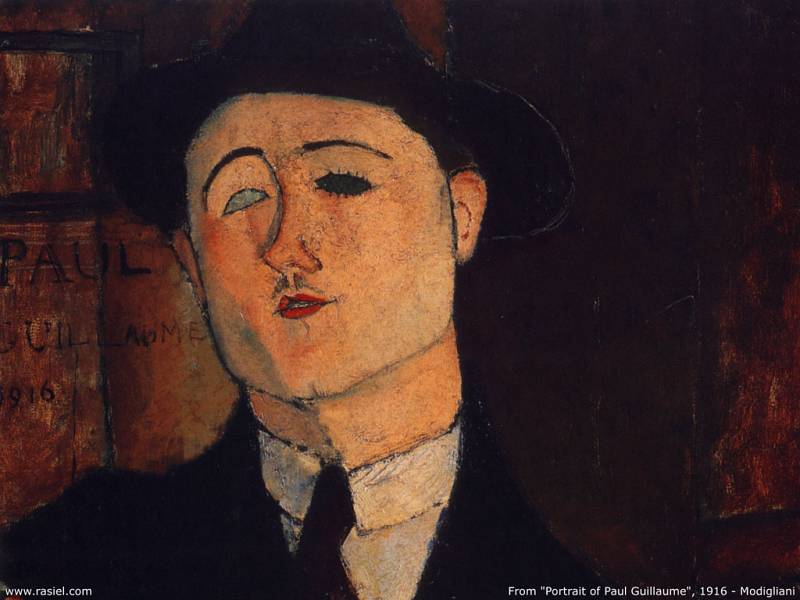
The painting, tentatively titled "Untitled (8978)," presents a striking portrait of a man—a figure rendered with the signature elongated form and expressive gaze that define Amedeo Modigliani's oeuvre. Captured on canvas in an understated palette dominated by muted browns and creams, this artwork transcends mere representation; it embodies a profound exploration of human emotion and psychological depth. Its quiet stillness belies the palpable sorrow radiating from the subject’s countenance—a sorrow that speaks volumes about the artist’s own preoccupation with themes of longing and isolation.The Artist's Vision: Modigliani's Expressionist Style
Amedeo Clemente Modigliani (1884-1920) stands as a pivotal figure in Italian Expressionism, an artistic movement that sought to convey inner turmoil and emotional intensity through distorted forms and jarring colors. Rejecting the academic conventions of his time, Modigliani embraced a radically innovative approach—one characterized by simplified geometries and stylized features—to capture the essence of human experience. Influenced heavily by Nietzsche’s philosophy and artists like Baudelaire and Lautréamont, he deliberately eschewed realism in favor of conveying psychological states rather than literal depictions. This stylistic choice is evident throughout his work, including “Untitled (8978),” where the elongated head and subtly unsettling gaze are hallmarks of Modigliani's distinctive visual language.Technique and Material Considerations
Executed with oil paints on canvas—likely a medium favored by Modigliani for its ability to achieve nuanced tonal gradations—the painting demonstrates meticulous attention to detail despite its apparent simplicity. The artist skillfully employs hatching and blending techniques to sculpt the contours of the face, creating an illusion of depth that draws the viewer into the subject’s inner world. Furthermore, the subtle shading around the eyes contributes significantly to their expressive quality, conveying a sense of vulnerability and introspection. The choice of muted colors—primarily browns and creams—reinforces the painting's melancholic atmosphere, mirroring the emotional tenor of the portrait itself.Historical Context: Echoes of Existential Angst
“Untitled (8978)” emerged during a period marked by profound intellectual and artistic upheaval – the early years of the 20th century witnessed the rise of Expressionism alongside anxieties surrounding societal change and impending conflict. Like many artists of his generation, Modigliani wrestled with questions of identity, mortality, and the human condition—themes that find resonance in the painting’s contemplative mood. The absence of an eye – a deliberate stylistic gesture – adds to the portrait's unsettling effect, symbolizing loss, blindness, and perhaps even a confrontation with existential dread—concepts central to the philosophical currents shaping European thought at the time.Symbolism Beyond Appearance: A Reflection of Inner Turmoil
Beyond its formal characteristics, “Untitled (8978)” operates on a symbolic level, inviting contemplation about themes of solitude and melancholy. The elongated head—a recurring motif in Modigliani’s work—represents not merely physical distortion but also an internalization of emotion—a preoccupation with the self that reflects the artist's own struggles with illness and personal demons. Similarly, the man’s gaze—directed inward rather than outward—suggests a profound awareness of inner turmoil—a yearning for connection amidst isolation. The painting serves as a poignant reminder of Modigliani’s artistic mission: to capture the complexities of human psychology and convey the pervasive sense of longing that characterizes the human experience.Related Artworks
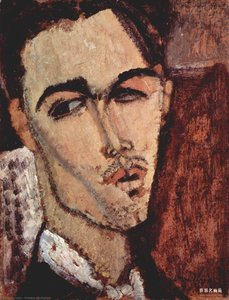
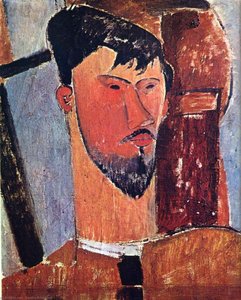
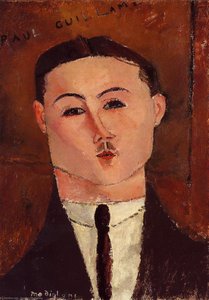
Artist Biography
A Life Etched in Longing: The World of Amedeo Modigliani
Amedeo Clemente Modigliani, a name synonymous with haunting beauty and melancholic grace, remains one of the most beloved and tragically romantic figures of early 20th-century art. Born in Livorno, Italy, in 1884 into a family steeped in Sephardic Jewish heritage, his life was marked by both profound artistic vision and persistent hardship. Frequent illness shadowed his youth – pleurisy and typhoid fever became unwelcome companions – perhaps instilling within him a sensitivity to fragility that would permeate his work. Though born into relative comfort, the family’s financial fortunes waned, adding another layer of complexity to the young Modigliani's formative years. It was a childhood punctuated by intellectual stimulation, thanks to his mother and grandfather who introduced him to the works of Nietzsche, Baudelaire, and Lautréamont, laying the groundwork for an artistic sensibility that would reject conventional norms.
The pull of Paris proved irresistible, and in 1906, Modigliani embarked on a journey that would define his career. The city was then a crucible of artistic innovation, teeming with revolutionary ideas and challenging conventions. He immersed himself in the vibrant art scene, encountering giants like Pablo Picasso and Constantin Brâncuși, figures who profoundly shaped his aesthetic trajectory. Initially drawn to the burgeoning Cubist movement, Modigliani quickly found its rigid geometry too constricting for his expressive needs. His artistic spirit yearned for something more lyrical, more deeply rooted in human emotion. He began a period of intense experimentation, absorbing influences from African sculpture – particularly its elongated forms and simplified features – and the archaic grace of Italian Renaissance art.
The Sculpted Soul: Style and Innovation
Modigliani’s signature style emerged as a unique synthesis of these diverse inspirations. His portraits, arguably his most celebrated works, are instantly recognizable for their elongated faces and necks, almond-shaped eyes devoid of pupils, and an overall sense of serene melancholy. These were not merely likenesses; they were explorations of the inner life, capturing a profound psychological depth in each subject. He stripped away extraneous detail, focusing on essential forms to convey emotion with remarkable economy. His nudes, often controversial during his lifetime, possess a similar quality – a quiet dignity and vulnerability that transcends mere physical representation. The figures are not overtly sensual but rather imbued with a sense of timeless beauty and existential longing.
Beyond painting, Modigliani also dedicated himself to sculpture, creating a series of highly stylized heads and torsos. These sculptures, influenced by African art and Brâncuși’s reductive forms, further demonstrate his commitment to simplifying form and emphasizing essential qualities. Though he exhibited these works briefly with the Section d'Or group in 1912, they were met with harsh criticism and largely withdrawn from public view. This rejection deeply affected Modigliani, contributing to a period of artistic self-doubt and financial hardship.
A Life Marked by Shadows
Modigliani’s personal life was as turbulent as his artistic journey. He struggled with poverty and addiction throughout much of his career, often relying on the generosity of friends and patrons. His relationship with Jeanne Hébuterne, a young artist herself, became the central emotional anchor in his life. They shared a deep love and mutual artistic understanding, but their happiness was tragically short-lived. The pressures of poverty, Modigliani’s declining health, and Jeanne's pregnancy created an unbearable strain. In 1920, devastated by the birth of their daughter and overwhelmed by despair, Jeanne took her own life. Just days later, Modigliani succumbed to tubercular meningitis at the age of only 35.
Legacy of a Lost Generation
Despite facing little recognition during his lifetime, Amedeo Modigliani’s work experienced a dramatic surge in popularity after his death. His paintings and sculptures began to command increasingly high prices, and his distinctive style exerted a profound influence on subsequent generations of artists. He became an icon of the bohemian spirit, embodying the struggles and triumphs of a lost generation grappling with modernity and existential questions.
Today, Modigliani’s works are held in prestigious museums around the world, including the Osaka City Museum of Modern Art, the Musée d'Art Moderne de la Ville de Paris, and numerous private collections. His portraits continue to captivate viewers with their haunting beauty and emotional resonance, serving as a poignant reminder of a life lived on the edge – a life etched in longing, passion, and an unwavering commitment to artistic truth.
Notable Works
- Nude Bust (35 x 26 cm): A quintessential example of Modigliani’s elongated forms and expressive style, showcasing his mastery of the human figure.
- Reclining Nude with Loose Hair: Demonstrates his ability to capture the essence of femininity with a delicate balance of sensuality and vulnerability.
- Seated Female Nude (92 x 60 cm): A powerful depiction of the female form, characterized by its simplified shapes and serene composure.
- Portrait of Jeanne Hebuterne: Numerous portraits capturing his lover and muse, revealing a poignant emotional depth and intimate connection.
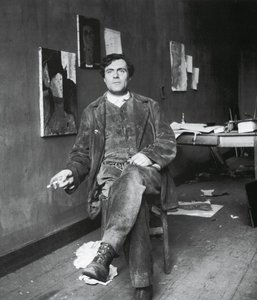
Amedeo Clemente Modigliani
1884 - 1920 , Italy
Quick Facts
- Artistic Movement Or Style: Expressionism
- Artists Or Movements Influenced By This Artist:
- Expressionism
- Modernism
- Artists Who Influenced This Artist:
- Picasso
- Brâncuși
- African sculpture
- Date Of Birth: July 12, 1884
- Date Of Death: January 24, 1920
- Full Name: Amedeo Clemente Modigliani
- Nationality: Italian
- Notable Artworks:
- Nude Bust
- Reclining Nude
- Seated Female Nude
- Portrait of Jeanne Hebuterne
- Place Of Birth: Livorno, Italy

