

 Preview
 Send
Send Share
Share
 Details

 Download
 Similars
 X-Ray
X-Ray Diaporama
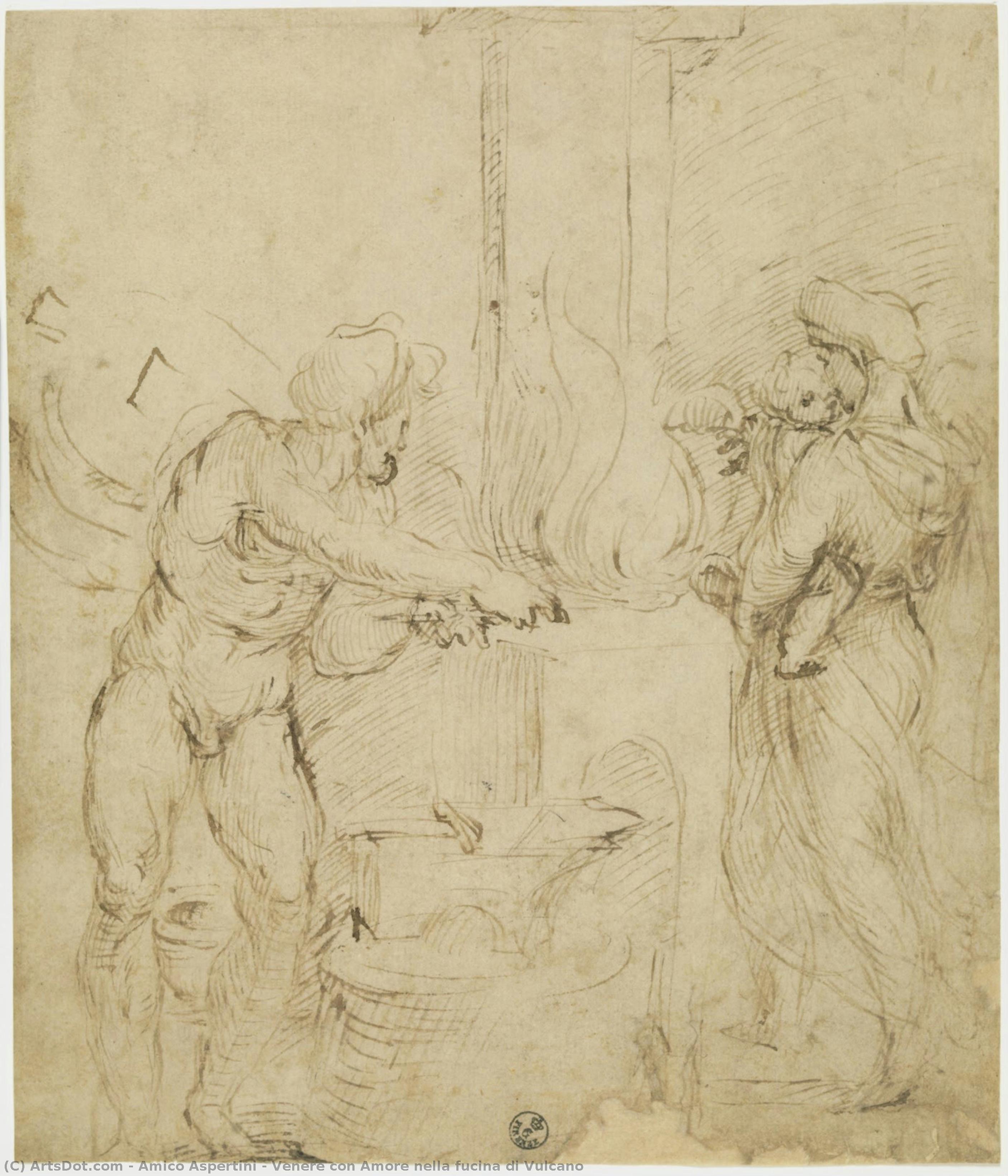
Venere con Amore nella fucina di Vulcano


 Read More
Purchase a high-resolution, enhanced digital image, far superior to the online preview.
Each file is meticulously prepared by our in-house specialists using advanced tools and expert manual retouching. We ensure every image has exceptional clarity, precise color accuracy, and fine detail.
The final file is delivered via email within 72 hours, optimized for immediate use in professional, editorial, and print environments. This is the same quality trusted by top-tier design studios, publishers, and galleries.
Digital Image
Download a high-resolution file for personal display, printing, and creative projects. ( Buy Print Buy Hand Made Painting)
Included in Every Digital Image Order
Expert Digital Delivery, Guaranteed
When you choose ArtsDot.com, you're not just getting an image - you're receiving a professionally enhanced digital artwork, crafted with precision and backed by a satisfaction guarantee. Here's everything that comes with your order, automatically:

Fast Email Delivery
Your high-resolution digital image file will be emailed to you within 72 hours of ordering - ready for immediate use.

AI-Enhanced Digital File
Your artwork is professionally optimized using advanced AI tools and manual editing, ensuring maximum detail, clarity, and color accuracy.

Free Lifetime Re-Delivery
Accidentally deleted or lost your file? No worries - we'll resend it to you anytime, free of charge.

No Import Fees - Ever
Enjoy your artwork instantly with zero customs, duties, or delivery fees - digital downloads are always tax-free.

Color Accuracy Guarantee
We ensure your digital image reflects the original colors as closely as possible using professional tools and color management.

60-Day Satisfaction Guarantee
If you're not satisfied with your digital image, we'll revise it or refund 100% within 60 days - no questions asked.

100% Money-Back Guarantee
Not satisfied? Get a full refund within 60 days of receiving your digital file - no questions asked.

Bulk Order Discounts
Buy 3 images, save 10% - Buy 5, save 15% - Buy 10+, save 20%. Great for creative projects, galleries, and agencies.
Collectible Description
Venere con Amore nella fucina di Vulcano - A Pioneer of Mannerist Eclecticism
Amico Aspertini’s “Venere con Amore nella fucina di Vulcano” stands as a testament to the burgeoning artistic spirit of Bologna at the dawn of the sixteenth century—a painter who simultaneously anticipated and defied prevailing trends, marking him as a pivotal precursor to Mannerism and embodying the evolving identity of Bolognese painting. Born around 1473/75 in Bologna, Aspertini’s life was inextricably linked with the vibrant workshop culture of his city, nurtured by connections to both Florentine innovation and Venetian sensuality. He began his artistic journey within this milieu, absorbing influences from masters like Francia and Costa, yet swiftly forging his own distinctive path—one characterized by an almost feverish energy and a willingness to embrace seemingly contradictory elements. This singular approach cemented his reputation as an eccentric genius, forever remembered for his unsettling intensity and groundbreaking stylistic experimentation.- Subject Matter: The artwork depicts two figures engaged in an intimate scene – Venus and Cupid – within the symbolic setting of Vulcano’s forge. This juxtaposition immediately speaks to themes of passion, creation, and divine influence, reflecting the humanist preoccupation with classical mythology prevalent during Aspertini's time.
- Style: “Venere con Amore” exemplifies Mannerist aesthetics—a style that deliberately rejected Renaissance ideals of harmony and proportion in favor of dramatic gesture, elongated forms, and expressive distortion. The artist skillfully employs techniques reminiscent of El Greco, prioritizing emotional impact over strict realism.
- Technique: Executed entirely by hand with graphite pencils on paper, the drawing utilizes hatching and cross-hatching to achieve remarkable tonal variation and volume. Lines converge towards focal points, creating a sense of dynamism and conveying the artist’s palpable energy. The meticulous attention to detail—particularly in rendering fabric textures and skin surfaces—demonstrates Aspertini's mastery of pencil drawing.
- Historical Context: Bologna at this period was experiencing a cultural renaissance fueled by intellectual ferment and artistic rivalry. Artists like Francia, Costa, and Filippino Lippi engaged in dialogues about stylistic innovation, pushing the boundaries of artistic convention. Aspertini’s work reflects this spirit of experimentation and embodies the Bolognese tradition of synthesizing diverse influences into a singular visual language.
- Symbolism: The gesture of Venus—pointing towards Cupid—represents an invitation to contemplation and symbolizes the union of beauty and desire. The forge itself serves as a metaphor for transformation and rebirth, aligning with Mannerist ideas about overcoming limitations and achieving spiritual transcendence.
Detailed Analysis of Composition and Technique
The composition is centered around the interaction between Venus and Cupid, positioned in an asymmetrical arrangement that contributes to the artwork’s dramatic effect. Lines converge towards a central point, guiding the viewer's gaze and emphasizing the expressive gesture of Venus—a deliberate departure from Renaissance conventions. The artist skillfully employs hatching and cross-hatching to create tonal variations and simulate fabric textures, capturing the subtle nuances of light and shadow. This meticulous technique underscores Aspertini’s commitment to conveying emotional depth through visual representation.Influence and Legacy
Aspertini's “Venere con Amore” profoundly impacted subsequent Bolognese artists and established him as a cornerstone of Mannerist style. His pioneering approach—characterized by stylistic eclecticism and an unwavering pursuit of expressive gesture—served as inspiration for generations of painters who sought to challenge the prevailing aesthetic norms of their time. The artwork’s enduring appeal lies in its ability to communicate complex ideas about beauty, desire, and transformation through a deceptively simple visual language.Reproductions and Artistic Inspiration
A high-quality reproduction of “Venere con Amore” can serve as a powerful source of artistic inspiration—a reminder that true innovation arises from embracing stylistic diversity and prioritizing emotional resonance. Consider framing the artwork in a neutral tone to allow its expressive qualities to shine through, enhancing its impact within any interior space. Explore variations on Aspertini’s technique – experimenting with different pencil grades and hatching patterns – to capture the essence of Mannerist style in your own creative endeavors.Related Artworks



Artist Biography
Amico Aspertini: A Pioneer of Mannerist Eclecticism
Amico Aspertini, born in Bologna around 1474 and passing away in 1552, stands as a fascinating figure within the Italian Renaissance—a painter who simultaneously anticipated and defied prevailing artistic trends. Often described as eccentric and possessing an almost unsettling intensity, Aspertini’s legacy lies not just in individual works but in his unique synthesis of styles, making him a pivotal precursor to Mannerism and a compelling example of Bolognese painting's evolving identity. His life was deeply intertwined with the artistic milieu of Bologna, a city renowned for its vibrant workshop culture and its connection to both Florentine innovation and Venetian sensuality. He began his training within this environment, absorbing influences from masters like Francia and Costa, yet quickly forged his own distinctive path, one characterized by an almost feverish energy and a willingness to embrace seemingly contradictory elements.Early Life and Artistic Training
Aspertini’s family history was steeped in art; his father, Giovanni Antonio Aspertini, was himself a recognized painter. This familial connection provided him with an early immersion into the world of pigments, brushes, and artistic techniques. His formative years were spent in Bologna, where he honed his skills under the tutelage of established masters like Francia and Costa. These encounters exposed him to the classical ideals championed by the High Renaissance but also introduced him to a more nuanced approach—one that valued emotional intensity and expressive distortion over strict adherence to proportion and perspective. Crucially, Aspertini’s travels with his father to Rome in 1496 provided an opportunity to witness firsthand the burgeoning artistic scene of the papal court, further broadening his stylistic horizons. This period also saw him briefly documented in Roman records, suggesting a period of experimentation and exploration before returning to the relative stability of Bologna.A Style Defined by Eclecticism and Innovation
Aspertini’s style is notoriously difficult to categorize, reflecting a deliberate rejection of rigid artistic boundaries. He was a master of eclecticism, drawing inspiration from a diverse range of sources—from the classical ideals of antiquity to the emotional intensity of late Gothic art, and even incorporating elements of the burgeoning Renaissance styles of Florence and Venice. His paintings are characterized by intricate compositions, elongated figures that seem to stretch and distort in unsettling ways, and a vibrant palette often dominated by intense reds, blues, and yellows. A key element of his technique was his remarkable speed—he is said to have worked with both hands simultaneously, one applying the *chiaro* (light) and the other the *scuro* (dark), creating a dynamic interplay of light and shadow that heightened the sense of movement and drama within his scenes. This unusual method, as described by Vasari, contributed significantly to the frenetic energy often observed in his work.Notable Works and Artistic Achievements
Several of Aspertini’s paintings stand out as particularly compelling examples of his unique style. “Trionfo Militare all” (Military Triumph), a monumental fresco depicting a military victory, showcases his ability to synthesize classical imagery with dramatic theatricality. "Erocle e il cinghiale di erimanto" (Hercules and the Wild Boar of Erymanthus) is another striking example, demonstrating his mastery of composition and his willingness to distort perspective for expressive effect. “Incredulità di san tommaso” (The Incredulity of Saint Thomas), a particularly arresting work, captures the saint’s moment of doubt with an almost palpable sense of psychological tension. These works, along with frescoes in the Oratory of Santa Cecilia and his contributions to the Lucca Basilica, reveal a painter who was constantly pushing the boundaries of artistic convention. His decoration of the triumphal arch for Pope Clement VII's entry into Bologna in 1529 further cemented his reputation as a leading artist of his time.Legacy and Influence
Amico Aspertini’s influence on subsequent generations of Italian painters is considerable, though often understated. He is widely considered a key figure in the development of Mannerism—a style characterized by elongated figures, distorted perspective, and an emphasis on emotional expression. His work anticipated many of the stylistic innovations that would define Mannerism, paving the way for artists like El Greco. While Vasari’s account of Aspertini as an “eccentric” and “half-insane” master initially cast a negative light on his oeuvre, modern art historians have increasingly recognized his importance as a pioneering artist who challenged conventional notions of beauty and realism. His paintings can be found in prestigious collections such as the Uffizi Gallery in Florence, testament to their enduring artistic value. Aspertini’s legacy continues to fascinate and inspire, reminding us that true innovation often lies in embracing complexity and defying expectations.
Amico Aspertini
1475 - 1552 , Italy
Quick Facts
- Artistic Movement Or Style: Mannerism
- Artists Or Movements Influenced By This Artist: ['El Greco']
- Artists Who Influenced This Artist:
- Francia
- Costa
- Date Of Birth: 1475, Bologna
- Date Of Death: 1552, Bologna
- Full Name: Amico Aspertini
- Nationality: Italian
- Notable Artworks:
- Trionfo Militare All
- Erocle e il cinghiale di erimanto
- Incredulità di San Tommaso
- Place Of Birth: Bologna, Italy

