 Preview
 Send
Send Share
Share
 Details

 Download
 Similars
 X-Ray
X-Ray Diaporama
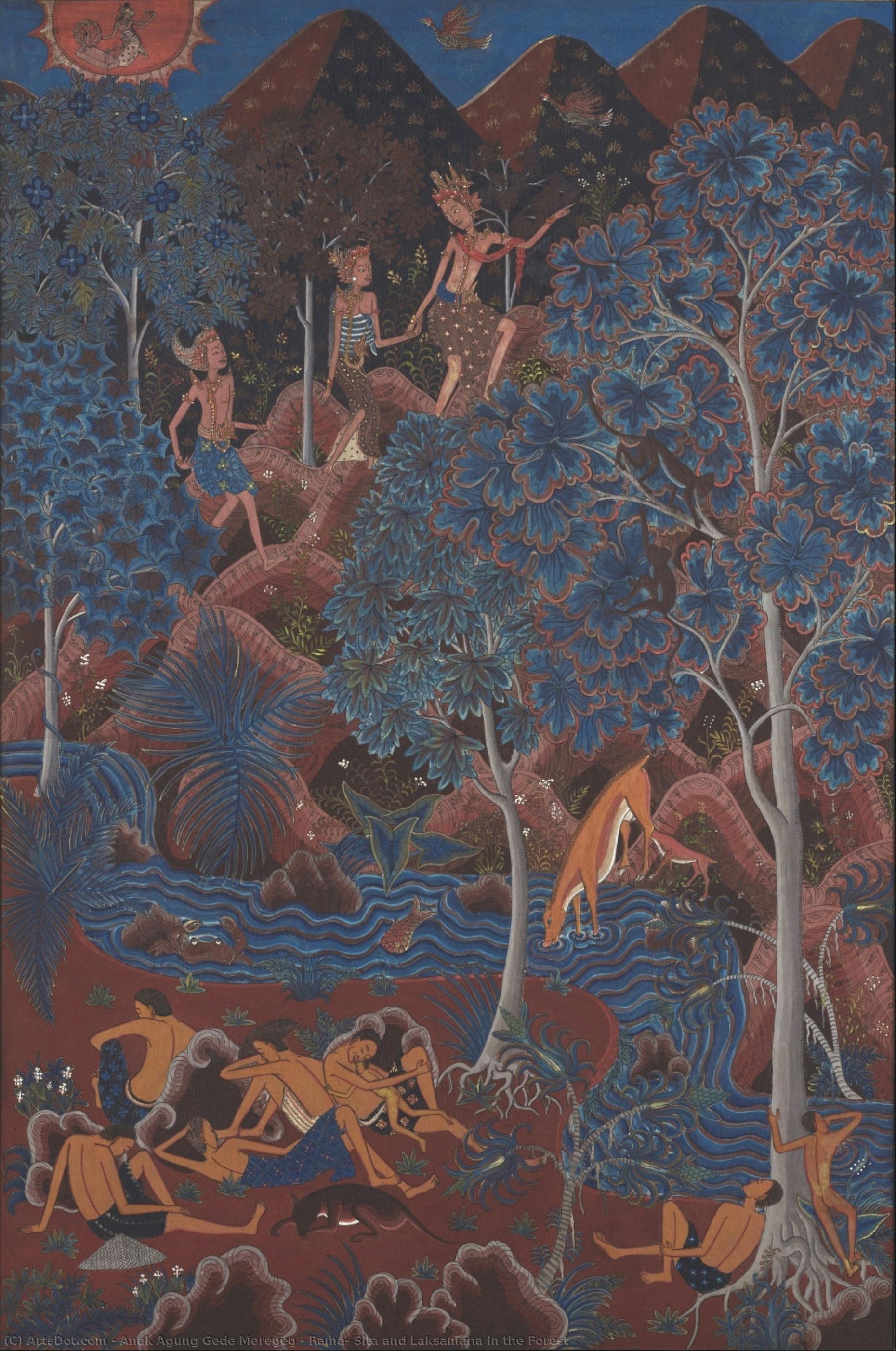
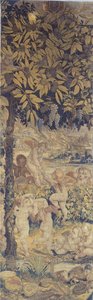
Rama, Sita and Laksamana in the Forest
 59.0 x 89.0 cm
 National Gallery Singapore
 Read More
Hand Made Oil Reproduction
Hand-painted oil on canvas in your size and frame, made to order by our artists. ( Buy Print Buy Image)




































Pick from our preset sizes that match the artwork's original proportions.

You may enter your own dimensions to fit a specific frame or space. If your selected size does not match the original image's proportions, we will either crop the artwork or extend the painting with additional hand-painted elements. A digital mockup will be sent for your approval before production begins.
Please note that the on-screen preview does not reflect the actual cropping or extension. Only the mockup will accurately show the final composition.
While custom sizes are available, we recommend selecting a dimension from the predefined list to preserve the original proportions.
After order, ArtsDot.com team will email client for instructions and provide a mockup preview
Worldwide Delivery () in 3/4 weeks instead of standard 5 weeks. (7 September). No compromise on quality.

Free Worldwide Express Shipping

High-Quality Linen Canvas

Full Shipping Insurance

Customs Tax Refund Guarantee

True Color Matching Guarantee

100-Day Return Policy (Defects Only)

100% Money-Back Guarantee

Bulk Discount Offer
 Glass option is only available in size under 110 CM

Rama, Sita and Laksamana in the Forest
Reproduction Medium
Reproduction Size
-


Total Price
$ 263
Related Artworks







Artist Biography
Anak Agung Gede Meregeg: A Visionary of Balinese Baroque
Anak Agung Gede Meregeg (1902-2000) stands as a monumental figure in Indonesian art history, recognized for his distinctive blend of traditional Balinese aesthetics and baroque artistic principles. Born in Padangtengah, Bali, Meregeg’s life was inextricably linked to the vibrant cultural landscape of his homeland—a realm where shadow puppetry, sacred dances, and intricate temple carvings profoundly shaped artistic sensibilities. His early exposure to these traditions served as a bedrock for his unparalleled skill in depicting mythological narratives like the Ramayana and Mahabharata, transforming them into canvases brimming with color, texture, and dramatic movement.
Meregeg’s formative years witnessed the burgeoning influence of Western art on Balinese culture. However, unlike many artists of his time who embraced purely European styles, Meregeg remained steadfastly rooted in Balinese heritage. He honed his craft under the tutelage of his grandfather, a celebrated shadow puppeteer—a role that instilled within him not only technical mastery but also an understanding of storytelling and visual symbolism central to Balinese artistic tradition. This apprenticeship cemented his connection to the ancestral narratives that would dominate his oeuvre, allowing him to translate the two-dimensional language of wayang kulit into much more expansive, multidimensional compositions.
A Baroque Folk Aesthetic
The artist’s style is instantly recognizable as a captivating fusion of baroque grandeur and tropical folk art. He eschewed academic precision, favoring instead a dynamic approach characterized by bold brushstrokes and vibrant hues—a deliberate departure from prevailing artistic conventions. His canvases pulsornate with energy, mirroring the fervor of Balinese rituals and dances. The artist’s meticulous attention to detail, particularly in rendering textures and layering colors, creates an immersive experience for the viewer, transporting them into the heart of Balinese mythology.
In his work, one finds a profound sense of drama that echoes the theatricality of the Baroque period, yet it is always tempered by the organic, rhythmic essence of Indonesian folk traditions. His depictions of epic battles and divine encounters are not merely illustrations; they are emotional landscapes where light and shadow play across figures with a weight and presence that command attention. This unique synthesis allowed him to bridge the gap between the ancient spirituals of Bali and the evolving modern art movements of the twentieth century.
Legacy and Artistic Significance
Throughout his long and prolific life, Meregeg’s contributions helped define a specific era of Indonesian modernism. His ability to take the sacred stories of the Sutasoma or the epic struggles of the Mahabharata and present them through a lens that felt both ancient and contemporary ensured his lasting impact on the global stage. His work serves as a vital link in the evolution of Balinese painting, preserving the soul of traditional storytelling while experimenting with the expressive possibilities of color and form.
The historical significance of Anak Agung Gede Meregeg lies in his refusal to abandon his roots during a period of intense cultural transition. By integrating the dramatic flair of the baroque with the intricate symbolism of his ancestors, he created a visual language that remains as potent today as it was during his lifetime. His legacy continues to inspire collectors and scholars alike, standing as a testament to the enduring power of Balinese mythological themes when reimagined through a visionary's hand.

anak agung gede meregeg
1902 - 2000 , Indonesia
Quick Facts
- Artistic Movement Or Style: Baroque folk art
- Artists Or Movements Influenced By This Artist: ['Traditional Indonesian Art']
- Artists Who Influenced This Artist: ['Shadow Puppet Performances']
- Date Of Birth: 1902
- Date Of Death: 2000
- Full Name: anak agung gede meregeg
- Nationality: Indonesian
- Notable Artworks: ['Rama, Sita and Laksamana in the Forest']
- Place Of Birth: Padangtengah, Indonesia