

 Preview
 Send
Send Share
Share
 Details

 Download
 Similars
 X-Ray
X-Ray Diaporama
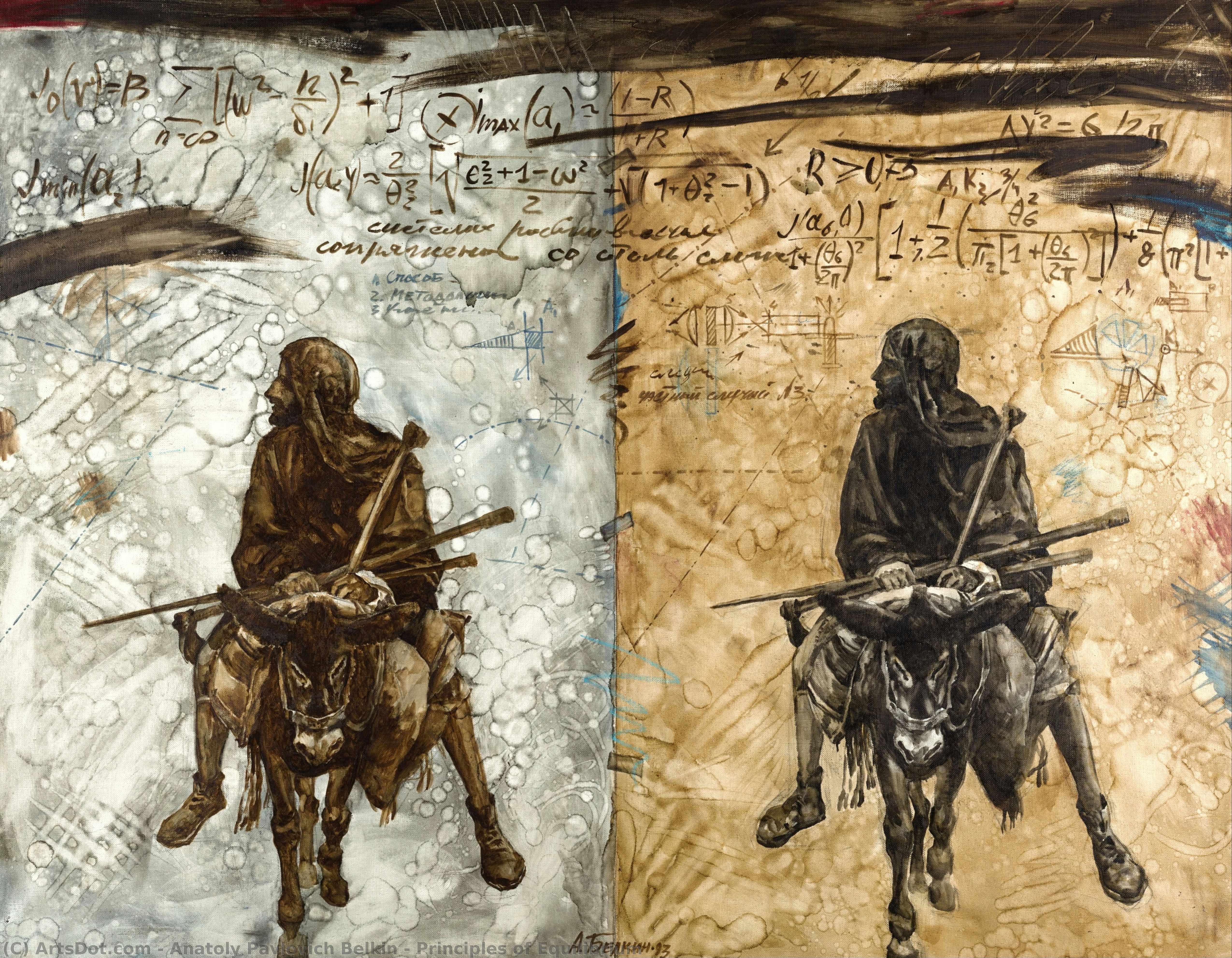
Principles of Equilibrium


 Read More
Purchase a high-resolution, enhanced digital image, far superior to the online preview.
Each file is meticulously prepared by our in-house specialists using advanced tools and expert manual retouching. We ensure every image has exceptional clarity, precise color accuracy, and fine detail.
The final file is delivered via email within 72 hours, optimized for immediate use in professional, editorial, and print environments. This is the same quality trusted by top-tier design studios, publishers, and galleries.
Digital Image
Download a high-resolution file for personal display, printing, and creative projects. ( Buy Print Buy Hand Made Painting)
Included in Every Digital Image Order
Expert Digital Delivery, Guaranteed
When you choose ArtsDot.com, you're not just getting an image - you're receiving a professionally enhanced digital artwork, crafted with precision and backed by a satisfaction guarantee. Here's everything that comes with your order, automatically:

Fast Email Delivery
Your high-resolution digital image file will be emailed to you within 72 hours of ordering - ready for immediate use.

AI-Enhanced Digital File
Your artwork is professionally optimized using advanced AI tools and manual editing, ensuring maximum detail, clarity, and color accuracy.

Free Lifetime Re-Delivery
Accidentally deleted or lost your file? No worries - we'll resend it to you anytime, free of charge.

No Import Fees - Ever
Enjoy your artwork instantly with zero customs, duties, or delivery fees - digital downloads are always tax-free.

Color Accuracy Guarantee
We ensure your digital image reflects the original colors as closely as possible using professional tools and color management.

60-Day Satisfaction Guarantee
If you're not satisfied with your digital image, we'll revise it or refund 100% within 60 days - no questions asked.

100% Money-Back Guarantee
Not satisfied? Get a full refund within 60 days of receiving your digital file - no questions asked.

Bulk Order Discounts
Buy 3 images, save 10% - Buy 5, save 15% - Buy 10+, save 20%. Great for creative projects, galleries, and agencies.
Collectible Description
A Duality of Presence: The Narrative Layers of Principles of Equilibrium
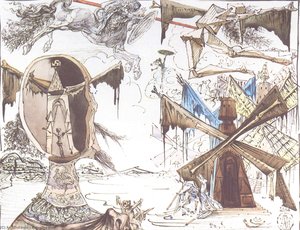
In the evocative oil on canvas masterpiece Principles of Equilibrium, created in 1993 by the contemporary Russian master Anatoly Pavlovich Belkin, we are invited into a profound meditation on identity and temporal shifts. The painting presents a striking visual duality, utilizing a split-scene composition that captures the same protagonist in two distinct yet interconnected states of being. In one moment, the figure sits atop a horse with arms crossed, projecting an aura of stoic contemplation and stillness; in the next, the tension rises as he holds a gun, introducing an element of sudden, sharp urgency. This juxtaposition creates a rhythmic pulse within the work, forcing the viewer to navigate the delicate balance between peace and conflict, presence and action.
Set against the sprawling, silhouetted backdrop of a city skyline, Belkin masterfully blends the organic power of the equine subject with the structured, cold geometry of urban life. This contrast serves as a powerful metaphor for the human condition—the struggle to maintain internal equilibrium while navigating the encroaching complexities of modern civilization. The presence of a secondary, shadowy figure in the background adds a layer of mystery and voyeurism, suggesting that our personal struggles are always witnessed by the silent observers of history and society.
Technique and the Language of Modern Russian Expression
Belkin’s technique in Principles of Equilibrium showcases his unique ability to marry traditional oil painting sensibilities with a modern, almost cinematic approach to storytelling. The brushwork is deliberate and textured, lending a tactile weight to the horse's form and the heavy atmosphere of the cityscape. By utilizing a palette that balances the earthy tones of the rider with the atmospheric, often moody hues of the urban horizon, Belkin directs the eye through a carefully choreographed visual journey. The way light interacts with the canvas suggests a fleeting moment caught in time, much like a frame from a noir film.
For collectors and interior designers alike, this piece offers an unparalleled opportunity to introduce a conversation starter into a curated space. The painting’s ability to command attention through its narrative complexity makes it an ideal centerpiece for sophisticated environments—be it a contemporary gallery-style living room or a professional study. It does not merely decorate a wall; it anchors a room with its psychological depth and historical resonance, offering a window into the soul of late 20th-century Russian contemporary art.
A Timeless Investment in Emotional Resonance
To possess a reproduction of such a profound work is to hold a piece of Anatoly Pavlovich Belkin’s vision. The emotional impact of the painting lies in its title alone; it asks us to consider how we find our own center amidst the chaos of life's many transformations. Whether one is drawn to the rugged symbolism of the rider or the melancholic beauty of the urban twilight, the work remains a testament to the enduring power of symbolic storytelling.
As an acquisition, Principles of Equilibrium represents more than just aesthetic pleasure; it is an exploration of the human psyche. For those seeking to surround themselves with art that challenges the intellect and stirs the emotions, this masterpiece provides a continuous source of inspiration and reflection, bridging the gap between the historical weight of the Russian tradition and the dynamic energy of the modern era.
Related Artworks


Artist Biography
Joan Mitchell: A Landscape of the Soul
Born in Chicago in February 1925, Joan Mitchell’s journey to becoming a pivotal figure in post-war American abstract expressionism was shaped by an early exposure to art and culture. Raised in a household that valued artistic pursuits – frequenting symphonies, visiting museums, and engaging with poetry – she began her formal painting studies at the tender age of eleven. This foundational immersion instilled within her a deep appreciation for visual language and a desire to translate personal experience into compelling imagery. Her formative year spent in France between 1947 and 1949 proved transformative, pushing her towards an increasingly abstract approach as she absorbed the vibrant colors and dynamic forms of European modernism.
Mitchell’s early work demonstrated a clear departure from representational painting, moving toward a more intuitive and expressive style. She quickly established herself within the “New York School” of painters and poets in 1951, participating in the influential “9th Street Show,” a landmark event that showcased emerging abstract artists. This period marked a crucial shift as she began to explore the physicality of paint itself – its texture, viscosity, and potential for creating dynamic compositions. Her canvases became imbued with layers of color, gestural marks, and fragmented forms, reflecting her engagement with both the external world and the internal landscape of her emotions.
The Language of Color and Gesture
Joan Mitchell’s distinctive style is immediately recognizable by its bold use of color and dynamic brushwork. She eschewed traditional representational techniques in favor of a more direct, visceral approach to painting. Her palette was often intensely chromatic, employing vibrant hues—blues, reds, yellows—not merely to depict objects but to convey mood, emotion, and atmosphere. The application of paint itself – thick impasto, loose washes, and rapid brushstrokes – became integral to the expressive content of her work. Mitchell wasn’t interested in creating a literal representation; instead, she sought to capture the essence of a place or feeling through color and movement.
Influences on Mitchell's style were diverse and complex. She drew inspiration from European modernists like Wassily Kandinsky and Piet Mondrian, whose explorations of abstraction paved the way for her own approach. However, she also found resonance in the work of Japanese printmakers, particularly Hokusai’s “Thirty-Six Views of Mount Fuji,” which demonstrated a masterful use of color and composition to evoke a sense of place and atmosphere. Furthermore, Mitchell's experiences as a traveler – exploring landscapes across Europe and North America – profoundly shaped her artistic vision, informing her understanding of the relationship between humans and their environment.
Landscapes as Inner Worlds
While often associated with abstract expressionism, Joan Mitchell’s paintings are fundamentally rooted in landscape. She didn't simply depict scenes from nature; she sought to translate the *experience* of being within a particular place—its light, air, and emotional resonance—onto the canvas. Her subjects ranged from the rugged coastlines of Maine to the rolling hills of Tuscany, each location serving as a catalyst for her creative process. Mitchell’s approach was deeply personal, reflecting her own subjective response to the world around her.
Her paintings are not static images but rather dynamic records of a fleeting moment in time. The layering of colors and gestural marks creates a sense of movement and energy, as if the landscape itself is breathing on the canvas. Mitchell’s work invites viewers to engage with their own memories and emotions, prompting them to consider the ways in which places shape our lives.
Legacy and Recognition
Despite facing significant challenges as a female artist in a male-dominated art world, Joan Mitchell achieved widespread recognition throughout her career. Her paintings are held in major museum collections around the world, including the Museum of Modern Art (MoMA) in New York, the Tate Gallery in London, and the Centre Pompidou in Paris. Mitchell’s work has been celebrated for its expressive power, innovative use of color, and profound engagement with the landscape.
She died in 1992 in France, leaving behind a rich and influential body of work that continues to inspire artists today. Joan Mitchell's legacy lies not only in her individual achievements but also in her pioneering role as a female abstract expressionist who dared to explore the depths of her own inner world through the language of color and gesture. Her paintings remain a testament to the power of art to transform experience and connect us to the beauty and mystery of the natural world.

anatoly pavlovich belkin
1953 - , Russia
Quick Facts
- Artistic Movement Or Style: Abstract Expressionism
- Artists Or Movements Influenced By This Artist:
- Pollock
- De Kooning
- Artists Who Influenced This Artist:
- Picasso
- Klee
- Date Of Birth: February 12, 1925
- Date Of Death: 1992
- Full Name: Joan Mitchell
- Nationality: American
- Notable Artworks:
- Cloud Shepherd
- University City of Caracas
- Place Of Birth: Chicago, USA

