

 Preview
 Send
Send Share
Share
 Details

 Download
 Similars
 X-Ray
X-Ray Diaporama
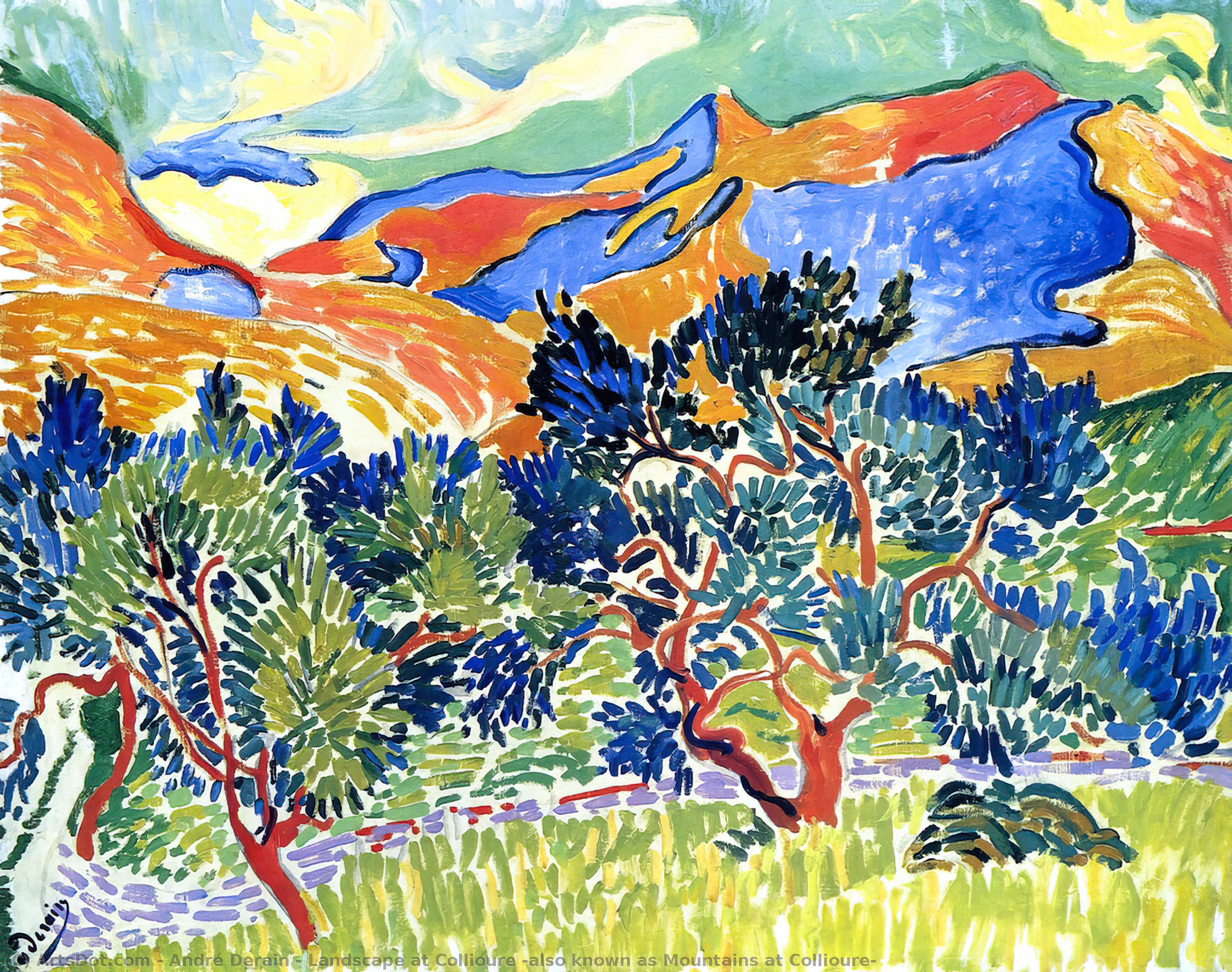
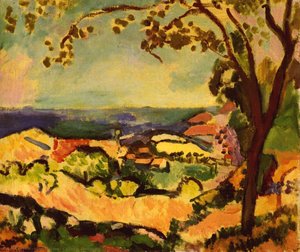
Landscape at Collioure (also known as Mountains at Collioure)


 Read More
Purchase a high-resolution, enhanced digital image, far superior to the online preview.
Each file is meticulously prepared by our in-house specialists using advanced tools and expert manual retouching. We ensure every image has exceptional clarity, precise color accuracy, and fine detail.
The final file is delivered via email within 72 hours, optimized for immediate use in professional, editorial, and print environments. This is the same quality trusted by top-tier design studios, publishers, and galleries.
Digital Image
Download a high-resolution file for personal display, printing, and creative projects. ( Buy Print Buy Hand Made Painting)
Included in Every Digital Image Order
Expert Digital Delivery, Guaranteed
When you choose ArtsDot.com, you're not just getting an image - you're receiving a professionally enhanced digital artwork, crafted with precision and backed by a satisfaction guarantee. Here's everything that comes with your order, automatically:

Fast Email Delivery
Your high-resolution digital image file will be emailed to you within 72 hours of ordering - ready for immediate use.

AI-Enhanced Digital File
Your artwork is professionally optimized using advanced AI tools and manual editing, ensuring maximum detail, clarity, and color accuracy.

Free Lifetime Re-Delivery
Accidentally deleted or lost your file? No worries - we'll resend it to you anytime, free of charge.

No Import Fees - Ever
Enjoy your artwork instantly with zero customs, duties, or delivery fees - digital downloads are always tax-free.

Color Accuracy Guarantee
We ensure your digital image reflects the original colors as closely as possible using professional tools and color management.

60-Day Satisfaction Guarantee
If you're not satisfied with your digital image, we'll revise it or refund 100% within 60 days - no questions asked.

100% Money-Back Guarantee
Not satisfied? Get a full refund within 60 days of receiving your digital file - no questions asked.

Bulk Order Discounts
Buy 3 images, save 10% - Buy 5, save 15% - Buy 10+, save 20%. Great for creative projects, galleries, and agencies.
Collectible Description
Introduction to André Derain and Fauvism
André Derain (1880-1954) was a French artist who co-founded the Fauvist movement with Henri Matisse. The term 'Fauves' means 'wild beasts,' which refers to the bold use of color and expressive brushwork that characterized this style. Derain's work is known for its vibrant hues, simplified forms, and emotional intensity.Landscape at Collioure: A Fauvist Landscape
Landscape at Collioure, also known as Mountains at Collioure, is a masterpiece of Fauvism by André Derain. Painted in 1905, this work exemplifies the style's emphasis on painterly qualities and strong color over representational values. The painting depicts the view from the French coastal town of Collioure, with its vibrant blues, greens, and yellows capturing the essence of the Mediterranean landscape.The Significance of Landscape at Collioure
Landscape at Collioure is significant for several reasons. Firstly, it was painted during the height of the Fauvist movement, a time when artists were experimenting with new ways of representing reality. Derain's use of bold colors and simplified forms in this painting reflects his desire to break away from traditional artistic conventions. Secondly, Landscape at Collioure is an important example of the Fauvist interest in landscape painting. While the movement was known for its emphasis on color and form, it also sought to capture the essence of natural scenery. Derain's use of vibrant hues and expressive brushwork in this painting evokes a sense of the Mediterranean landscape that is both vivid and immediate. Finally, Landscape at Collioure is significant for its place in Derain's oeuvre. The painting marks a turning point in his career, as he began to develop a more rigorous style that emphasized flattened forms and decorative pattern. This style would become a hallmark of his work in the years that followed.Conclusion
Landscape at Collioure is a masterpiece of Fauvism by André Derain, exemplifying the movement's emphasis on painterly qualities and strong color over representational values. The painting captures the essence of the Mediterranean landscape with its vibrant blues, greens, and yellows, while also reflecting Derain's desire to break away from traditional artistic conventions. As an important example of Fauvist landscape painting and a turning point in Derain's career, Landscape at Collioure remains a significant work in the history of modern art. To learn more about André Derain and his works, visit our website: Painting by 'André Derain' | André Derain:Landscape at Collioure (also known as Mountains at Collioure) (National Gallery of Art (Washington, United States),Fauvism,Oil On Canvas,) To explore more works by Fauvist artists, visit our collection: Discover the Musée d'art moderne (France) and its Impressive Collection Fauvism. Wikipedia. Landscape painting. Wikipedia. Henri Matisse. Wikipedia.Related Artworks
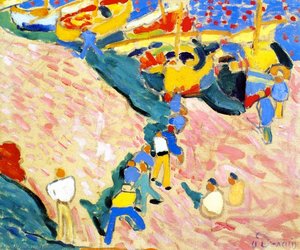
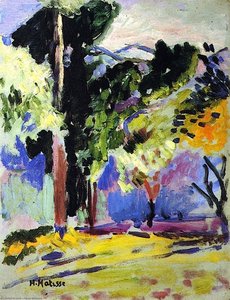
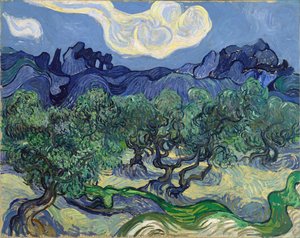
Artist Biography
Early Life and the Seeds of Fauvism
André Derain, born in 1880 in the charming village of Chatou near Paris, wasn’t initially destined for a life steeped in paint and canvas. Contrary to some narratives suggesting an immediate artistic awakening through encounters with fellow painters like Vlaminck or Matisse, Derain embarked on his artistic journey independently around 1895. These early explorations were often undertaken alongside Father Jacomin and his sons during countryside excursions—a formative experience that instilled a deep appreciation for the natural world. He briefly pursued engineering at the Académie Camillo in 1898, where fatefully, he crossed paths with Henri Matisse, initiating a pivotal artistic partnership. Further studies under Eugène Carrière honed his foundational skills, but it was military service from 1901 to 1904 that temporarily interrupted his burgeoning career. Upon his return, persuaded by the unwavering belief of Matisse, Derain decisively abandoned engineering and fully committed himself to painting, continuing his education at the Académie Julian. This commitment marked a turning point, setting him on a path toward becoming a central figure in one of modern art’s most revolutionary movements.The Explosive Birth of Color: Fauvism
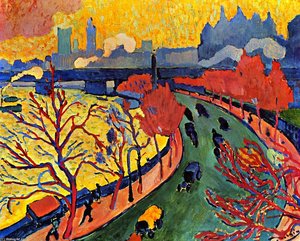
The summer of 1905 proved to be an explosive moment for Derain and Matisse as they collaborated in the sun-drenched coastal village of Collioure. This period birthed works like “Mountains at Collioure,” characterized by a radical departure from representational color. The landscapes weren’t merely depictions of places; they were expressions of feeling, rendered through intensely vibrant, non-naturalistic hues. When their work was exhibited at the Salon d'Automne that same year, it provoked outrage and astonishment. Critic Louis Vauxcelles famously dubbed them “Les Fauves”—the wild beasts—a name initially intended as derisive but ultimately embraced by the artists themselves. Derain’s contribution to this movement wasn’t merely stylistic; he possessed a unique ability to translate emotional intensity into pure color. In 1906, Ambroise Vollard commissioned him to paint London, resulting in a series of striking canvases depicting the Thames and Tower Bridge. These weren't conventional cityscapes; they were bold interpretations, capturing the energy and atmosphere of London through an unconventional lens—a testament to Derain’s innovative vision. Influenced by artists like Van Gogh and Cézanne, he pushed the boundaries of color and form, laying the groundwork for future generations of expressionist painters.Beyond Fauvism: A Shifting Aesthetic
The initial fervor of Fauvism didn't define Derain’s entire artistic trajectory. Around 1907, his style began a significant evolution, moving away from the unrestrained chromatic exuberance toward more subdued tones and an increased emphasis on form. This period, often referred to as his “gothic” phase (1911-1914), reflected a growing interest in structure and composition. He immersed himself in the study of Old Masters, incorporating elements of Cubism while simultaneously seeking inspiration from classical forms. This wasn’t a rejection of his earlier work but rather an expansion of his artistic vocabulary. Derain's versatility extended beyond painting; in 1919, he designed the ballet “La Boutique Fantasque” for Sergei Diaghilev’s Ballets Russes, demonstrating his aptitude for theatrical design and further showcasing his diverse talents. Key works from this era, such as "Harlequin and Pierrot" and the monumental mural "Return of Ulysses," exemplify this stylistic shift—a move toward a more controlled and intellectually rigorous approach to artmaking.Legacy and Complexities
André Derain’s place in art history is secure as a co-founder of Fauvism, a movement that irrevocably altered the course of modern painting. His unique vision of London, captured in his vibrant canvases, offered a fresh perspective on an iconic city. After World War I, he gained renewed recognition for his contributions to a revival of classicism, demonstrating his adaptability and enduring artistic relevance. However, Derain’s later life was marked by controversy. During World War II, his presence in Germany drew criticism, leading to ostracization from some former supporters after the war. Despite this shadow, his influence on subsequent generations of artists remains undeniable. He died in 1954, leaving behind a body of work that continues to captivate and inspire. His legacy is not simply one of bold colors and expressive brushstrokes but also of an artist who constantly challenged himself, explored new avenues of expression, and left an indelible mark on the landscape of modern art. He stands as a testament to the power of artistic innovation and the complexities inherent in navigating a rapidly changing world. Derain’s journey reminds us that true artistry lies not in adhering to a single style but in the relentless pursuit of creative truth.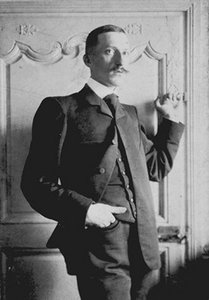
André Derain
1880 - 1954 , France
Quick Facts
- Artistic Movement Or Style: Fauvism, Cubism
- Artists Or Movements Influenced By This Artist:
- Matisse
- Cubism
- Artists Who Influenced This Artist:
- Van Gogh
- Cézanne
- Date Of Birth: June 10, 1880
- Date Of Death: September 8, 1954
- Full Name: André Derain
- Nationality: French
- Notable Artworks:
- Mountains at Collioure
- Harlequin and Pierrot
- The Cup of Tea
- London Paintings
- Place Of Birth: Chatou, France

