

 Preview
 Send
Send Share
Share
 Details

 Download
 Similars
 X-Ray
X-Ray Diaporama
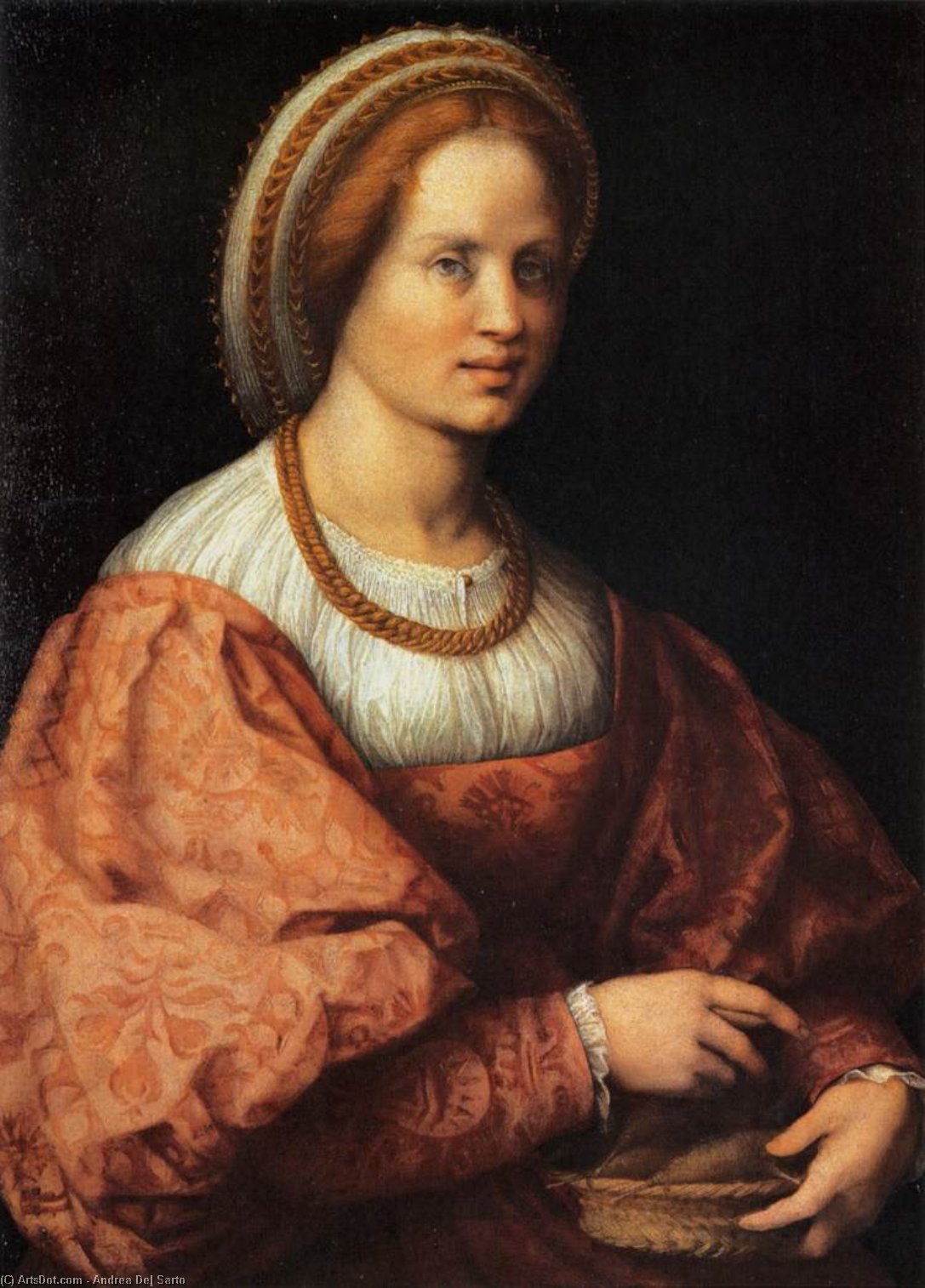
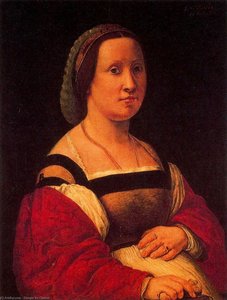
Portrait of a Woman with a Basket of Spindles
 Oil On Canvas
- WallArt
- Italian High Renaissance
 1517
1517- Renaissance
 76.0 x 54.0 cm
 Galleria degli Uffizi
 Read More
Purchase a high-resolution, enhanced digital image, far superior to the online preview.
Each file is meticulously prepared by our in-house specialists using advanced tools and expert manual retouching. We ensure every image has exceptional clarity, precise color accuracy, and fine detail.
The final file is delivered via email within 72 hours, optimized for immediate use in professional, editorial, and print environments. This is the same quality trusted by top-tier design studios, publishers, and galleries.
Digital Image
Download a high-resolution file for personal display, printing, and creative projects. ( Buy Print Buy Hand Made Painting)
Included in Every Digital Image Order
Expert Digital Delivery, Guaranteed
When you choose ArtsDot.com, you're not just getting an image - you're receiving a professionally enhanced digital artwork, crafted with precision and backed by a satisfaction guarantee. Here's everything that comes with your order, automatically:

Fast Email Delivery
Your high-resolution digital image file will be emailed to you within 72 hours of ordering - ready for immediate use.

AI-Enhanced Digital File
Your artwork is professionally optimized using advanced AI tools and manual editing, ensuring maximum detail, clarity, and color accuracy.

Free Lifetime Re-Delivery
Accidentally deleted or lost your file? No worries - we'll resend it to you anytime, free of charge.

No Import Fees - Ever
Enjoy your artwork instantly with zero customs, duties, or delivery fees - digital downloads are always tax-free.

Color Accuracy Guarantee
We ensure your digital image reflects the original colors as closely as possible using professional tools and color management.

60-Day Satisfaction Guarantee
If you're not satisfied with your digital image, we'll revise it or refund 100% within 60 days - no questions asked.

100% Money-Back Guarantee
Not satisfied? Get a full refund within 60 days of receiving your digital file - no questions asked.

Bulk Order Discounts
Buy 3 images, save 10% - Buy 5, save 15% - Buy 10+, save 20%. Great for creative projects, galleries, and agencies.
Andrea del Sarto’s Portrait of a Woman with a Basket of Spindles: A Study in Grisaille and Renaissance Ideal
The painting “Portrait of a Woman with a Basket of Spindles,” attributed to Andrea del Sarto, stands as a testament to the enduring fascination of the Florentine Renaissance with idealized beauty and meticulous artistic execution. Completed around 1517, this monochrome fresco – executed in grisaille – transcends mere representation; it embodies a profound exploration of humanist principles and invites contemplation on themes of femininity, domesticity, and spiritual aspiration.Subject Matter and Composition
The central figure is a woman depicted with serene dignity, her gaze unwavering as she holds a basket overflowing with spindles—a symbol laden with significance. The artist’s masterful composition draws the viewer's eye directly to her face, prioritizing psychological depth over opulent ornamentation. Her posture exudes composure, reflecting the Renaissance ideal of grace and balance – qualities prized in portraiture during this period. Surrounding her is a subtly textured background, rendered in shades of grey that serve not merely as visual support but actively contribute to the painting’s emotional resonance.Technique: Grisaille and Oil Paint
Del Sarto employed grisaille—a technique utilizing monochrome pigments (typically white lead mixed with charcoal or lampblack)—to achieve remarkable tonal accuracy and luminosity. This method, favored by artists like Michelangelo and Raphael, demanded painstaking attention to detail and a profound understanding of light and shadow. The fresco’s surface was prepared with lime plaster, ensuring optimal adhesion for subsequent layers of oil paint applied in thin glazes—a technique that allowed for subtle gradations of tone and enhanced the illusionistic quality of the image. This layering process is characteristic of Renaissance painting and distinguishes it from earlier styles characterized by tempera pigments.Historical Context: Florentine Humanism and Artistic Patronage
The painting emerged during a pivotal moment in Florentine history—the High Renaissance, fueled by humanist scholarship and artistic patronage. Andrea del Sarto’s work reflects the prevailing intellectual currents of the time, which championed human reason and celebrated classical ideals of beauty and proportion. The fresco was commissioned by Zanobi Strozzi, demonstrating the importance of aristocratic benefactors in sustaining artistic creativity and disseminating cultural values within Florence. It exemplifies the Renaissance commitment to portraying individuals as rational beings capable of spiritual contemplation—a departure from medieval iconography that prioritized religious symbolism above all else.Symbolism: Spindles and Feminine Virtue
The basket of spindles itself carries considerable symbolic weight. Traditionally associated with weaving, spinning, and domestic labor – activities primarily undertaken by women – it represents fertility, industriousness, and the nurturing role of femininity within the household. The woman’s serene expression reinforces this symbolism, conveying inner peace and moral virtue—qualities considered essential for achieving spiritual fulfillment during the Renaissance. Furthermore, the muted palette contributes to the painting's contemplative atmosphere, inviting viewers to engage in a dialogue with timeless themes of beauty, grace, and contemplation.Emotional Impact: Tranquility and Ideal Beauty
Ultimately, “Portrait of a Woman with a Basket of Spindles” succeeds in conveying a profound sense of tranquility and idealized beauty. The artist’s meticulous attention to tonal nuance—combined with the painting's harmonious composition—creates an immersive experience that transcends mere visual perception. It speaks to the viewer’s sensibilities, evoking feelings of serenity, admiration for feminine grace, and appreciation for the enduring legacy of Renaissance artistic achievement. This piece continues to inspire collectors and interior designers alike who seek to infuse their spaces with elegance and intellectual depth.Related Artworks
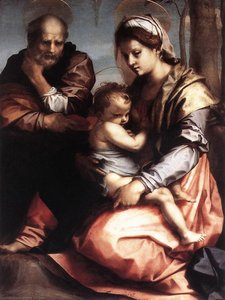

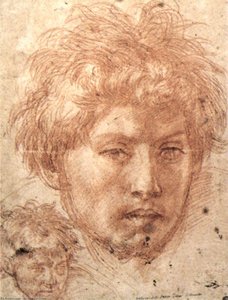
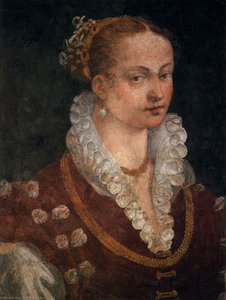
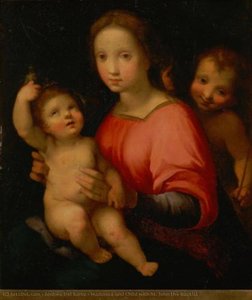
Artist Biography
early life and training
andrea del sarto, a prominent figure in italian high renaissance, was born on july 16, 1486, in gualfonda, near florence. his early life led him to become an apprentice to an orfèvre, followed by training under the painter and wood sculptor gian barile. later, he worked with piero di cosimo and raffaellino del garbo.artistic career
andrea's collaboration with franciabigio led to their first joint project, the baptism of christ, for the scalzo congregation in florence. this marked the beginning of a long series of monochromatic frescoes in grisaille. as time passed, andrea developed his unique style, eventually joining the arte dei medici e degli speziali in 1508.notable works and commissions
- the holy family, a painting commissioned by zanobi strozzi for the chapel at his villa of rovezzano, now housed in the pinacoteca of the gallerie nazionali di arte antica (palazzo barberini) in rome, italy.
- cenacolo di andrea del sarto, a fresco covering over 40 square meters, depicting jesus and his disciples during the last supper, located at the museo del cenacolo di andrea del sarto in florence.
- storie di miracoli di san filippo benizzi, a series of frescoes for the loggia dei servi di maria, showcasing his early skill with monochromatic grisaille.
legacy and influence
despite being overshadowed by contemporaries like leonardo da vinci, michelangelo, and raphael, andrea del sarto's work is characterized by its unique blend of high renaissance and mannerism. his legacy can be seen in the numerous artworks he left behind, each a testament to his skill as a painter, decorator, portraitist, and colorist. view more works by andrea del sarto on ArtsDot: [https://ArtsDot.com/@/andrea del sarto](https://ArtsDot.com/@/andrea-del-sarto) explore the pinacoteca of the gallerie nazionali di arte antica (palazzo barberini) on ArtsDot: /en/art/show/art-d3afwr-en/ read more about andrea del sarto's life and works on wikipedia: [https://fr.wikipedia.org/wiki/andrea_del_sarto](https://fr.wikipedia.org/wiki/andrea_del_sarto)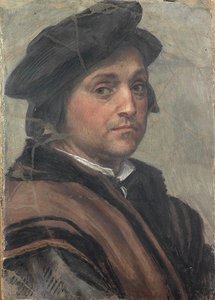
Andrea del Sarto
1486 - 1530 , Italy
Quick Facts
- Artistic Movement Or Style: High Renaissance & Mannerism
- Artists Or Movements Influenced By This Artist: ['Giorgio Vasari']
- Artists Who Influenced This Artist:
- Leonardo da Vinci
- Raphael
- Gian Barile
- Date Of Birth: July 16, 1486
- Date Of Death: September 29, 1530
- Full Name: Andrea d'Agnolo di Francesco di Luca
- Nationality: Italian
- Notable Artworks:
- The Last Supper
- Holy Family
- Saint John the Baptist
- Place Of Birth: Florence, Italy

