

 Preview
 Send
Send Share
Share
 Details

 Download
 Similars
 X-Ray
X-Ray Diaporama
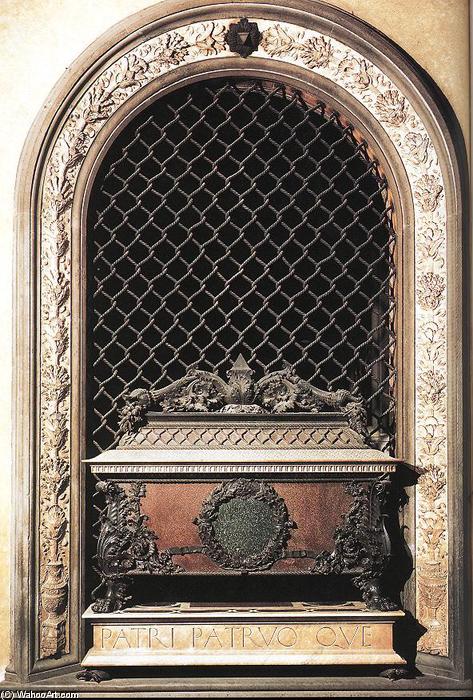
Tomb of Piero and Giovanni de' Medici


 Read More
Purchase a high-resolution, enhanced digital image, far superior to the online preview.
Each file is meticulously prepared by our in-house specialists using advanced tools and expert manual retouching. We ensure every image has exceptional clarity, precise color accuracy, and fine detail.
The final file is delivered via email within 72 hours, optimized for immediate use in professional, editorial, and print environments. This is the same quality trusted by top-tier design studios, publishers, and galleries.
Digital Image
Download a high-resolution file for personal display, printing, and creative projects. ( Buy Print Buy Hand Made Painting)
Included in Every Digital Image Order
Expert Digital Delivery, Guaranteed
When you choose ArtsDot.com, you're not just getting an image - you're receiving a professionally enhanced digital artwork, crafted with precision and backed by a satisfaction guarantee. Here's everything that comes with your order, automatically:

Fast Email Delivery
Your high-resolution digital image file will be emailed to you within 72 hours of ordering - ready for immediate use.

AI-Enhanced Digital File
Your artwork is professionally optimized using advanced AI tools and manual editing, ensuring maximum detail, clarity, and color accuracy.

Free Lifetime Re-Delivery
Accidentally deleted or lost your file? No worries - we'll resend it to you anytime, free of charge.

No Import Fees - Ever
Enjoy your artwork instantly with zero customs, duties, or delivery fees - digital downloads are always tax-free.

Color Accuracy Guarantee
We ensure your digital image reflects the original colors as closely as possible using professional tools and color management.

60-Day Satisfaction Guarantee
If you're not satisfied with your digital image, we'll revise it or refund 100% within 60 days - no questions asked.

100% Money-Back Guarantee
Not satisfied? Get a full refund within 60 days of receiving your digital file - no questions asked.

Bulk Order Discounts
Buy 3 images, save 10% - Buy 5, save 15% - Buy 10+, save 20%. Great for creative projects, galleries, and agencies.
The Echoes of Faith: Andrea del Verrocchio’s Tomb of Piero and Giovanni de' Medici
Within the serene heart of San Lorenzo in Florence, nestled amidst the grandeur of the Medici family’s legacy, resides a testament to both earthly power and enduring faith – the Tomb of Piero and Giovanni de’ Medici. Crafted by the masterful hand of Andrea del Verrocchio around 1469-1472, this monumental sculpture is more than just a funerary monument; it's a profound meditation on mortality, divine grace, and the intricate tapestry of Florentine society during the High Renaissance. The tomb’s enduring appeal lies not only in its technical brilliance but also in the layers of symbolism woven into its very fabric, offering a captivating glimpse into the world of the Medici family and the artistic currents that shaped it.
Verrocchio, already a renowned sculptor and workshop leader, was commissioned by Lorenzo de’ Medici to honor his brothers, Piero and Giovanni. These two figures, pivotal in Florentine politics and finance, were laid to rest within this elaborate structure, designed to reflect their status and the family's immense influence. The tomb itself is an impressive example of early Renaissance sculpture, showcasing Verrocchio’s skill in manipulating marble and bronze – materials that together create a rich, textured surface and a sense of monumental scale. The choice of these materials speaks volumes about the Medici’s wealth and their desire to be remembered with lasting grandeur.
A Symphony of Marble and Bronze
The tomb's design is remarkably restrained yet profoundly evocative. It consists primarily of a large, rectangular sarcophagus – the central focus – flanked by two smaller niches containing the effigies of Piero and Giovanni. The sarcophagus itself is adorned with intricate relief carvings depicting scenes from the lives of the brothers, interwoven with allegorical figures representing virtues like justice, prudence, and faith. These aren’t merely decorative elements; they are carefully chosen symbols intended to guide the deceased towards salvation. Noticeably, the marble used is not a uniform hue but exhibits subtle variations in tone – lighter shades on the surface contrasted by darker tones within the recesses – creating an astonishingly realistic effect that captures the play of light and shadow with remarkable accuracy.
The bronze elements—the elaborate canopy above the sarcophagus and the decorative panels—add further layers of richness and complexity. The canopy, a soaring structure reminiscent of Gothic architecture, is particularly striking, its intricate detailing suggesting both earthly power and spiritual aspiration. Verrocchio’s mastery of bronze casting is evident in the smooth surfaces and delicate ornamentation, demonstrating his versatility as an artist working with diverse materials.
The Language of Symbolism
Beyond the depiction of the brothers' lives, the Tomb is replete with symbolic imagery that speaks to the core beliefs of Renaissance Florence. The presence of angels, for instance, represents divine guidance and protection – a crucial element in funerary art during this period. The palm tree, a recurring motif, symbolizes eternal life and resurrection, while the dove, representing the Holy Spirit, reinforces the theme of salvation. The inclusion of classical figures—such as Justice and Prudence—reflects the Renaissance’s renewed interest in ancient Greek and Roman philosophy and its emphasis on moral virtue.
The depiction of Piero and Giovanni themselves is notable for its understated dignity. They are not portrayed as triumphant rulers but rather as men seeking solace and guidance in the afterlife. Their faces, rendered with remarkable realism, convey a sense of quiet contemplation – suggesting that their earthly ambitions were ultimately superseded by a deeper spiritual yearning.
A Legacy in Stone and Bronze
The Tomb of Piero and Giovanni de’ Medici stands as a powerful testament to Andrea del Verrocchio's artistic genius and the enduring legacy of the Medici family. It is more than just a monument to two prominent Florentine figures; it is a profound meditation on life, death, and the eternal quest for meaning. The tomb’s intricate details, masterful craftsmanship, and rich symbolism continue to captivate viewers today, offering a rare glimpse into the artistic and intellectual world of Renaissance Florence.
Consider commissioning a high-quality reproduction to bring this masterpiece into your home or office – a tangible reminder of the beauty, artistry, and enduring power of human creativity. The echoes of faith and Florentine grandeur resonate within its stone and bronze embrace, inviting contemplation and inspiring awe.
Related Artworks
Artist Biography
A Florentine Renaissance Polymath: The World of Andrea del Verrocchio
Andrea di Michele di Francesco de' Cioni, known to history as Andrea del Verrocchio, occupies a pivotal position in the Italian Renaissance. Born in Florence around 1435, his life coincided with a period of extraordinary artistic and intellectual ferment. While celebrated today for his sculptures – particularly the monumental equestrian statue of Bartolomeo Colleoni – Verrocchio was far more than simply a sculptor; he was a painter, goldsmith, and, crucially, a master craftsman who ran one of Florence’s most influential workshops. This workshop served as a crucible where artistic talent was forged, most notably nurturing the genius of Leonardo da Vinci. Verrocchio's early training remains somewhat shrouded in mystery, though his family background suggests an initial grounding in goldsmithing, a trade deeply ingrained within Florentine artisanal traditions. Speculation exists regarding apprenticeships under masters like Donatello or Fra Filippo Lippi, but concrete evidence is elusive. Regardless of his precise formative experiences, Verrocchio quickly demonstrated a remarkable aptitude for both sculpture and painting, laying the foundation for a career that would bridge medieval artistic conventions with the burgeoning aesthetics of the High Renaissance.From Goldsmith to Sculptor: A Rising Star in Florence
Verrocchio’s ascent within the Florentine art world was fueled by his exceptional skill and the patronage of powerful families, most prominently the Medici. His early works reveal a developing mastery of form and an increasing ambition to tackle complex subjects. The *Putto with a Dolphin*, for instance, showcases his ability to capture movement and emotion in bronze – qualities that would become hallmarks of his style. However, it was through larger-scale commissions that Verrocchio truly established his reputation. He wasn’t merely executing designs; he was overseeing an entire workshop, coordinating the efforts of assistants while maintaining a consistently high level of quality. This organizational prowess, combined with his artistic vision, allowed him to undertake ambitious projects like the *David*, a marble sculpture that reflects a classical influence yet possesses a youthful grace distinct from earlier depictions of the biblical hero. The equestrian statue of Bartolomeo Colleoni, commissioned for Venice and completed after his death in 1488, stands as Verrocchio’s undisputed masterpiece. This colossal bronze monument embodies Renaissance ideals of civic virtue and military prowess, demonstrating an unparalleled anatomical accuracy and a dynamic composition that captures the energy and power of both horse and rider. It remains a testament to his technical skill and artistic ambition.A Painter's Hand: Collaboration and Legacy
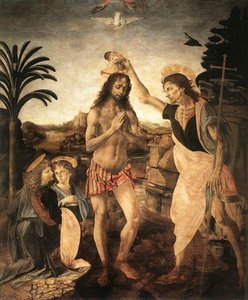
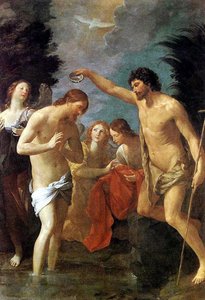
While primarily recognized as a sculptor, Verrocchio’s contributions to painting should not be underestimated, particularly considering his role in the development of one of history’s greatest artists. The *Baptism of Christ* is perhaps his most famous painted work, though it's renowned for what it reveals about another: Leonardo da Vinci. Verrocchio painted John the Baptist and one angel within the composition, while Leonardo – then a young apprentice in his workshop – was entrusted with painting the other angel and portions of the background landscape. The sheer quality of Leonardo’s contribution is said to have so profoundly impressed Verrocchio that he allegedly abandoned painting altogether, though this account is likely apocryphal. Nevertheless, it underscores the transformative impact Verrocchio had on Leonardo's artistic journey. Other paintings attributed primarily to Verrocchio, such as *The Virgin and Child with Two Angels*, demonstrate his ability to create serene and emotionally resonant religious scenes. These works reveal a delicate touch and a sensitivity to light and color that further solidify his position as a versatile and accomplished artist.The Enduring Influence of the Verrocchio Workshop
Andrea del Verrocchio’s legacy extends far beyond his individual artworks. His greatest contribution may well have been the workshop he established, which served as a training ground for a generation of talented artists. Leonardo da Vinci is, of course, the most celebrated pupil, but others – including Pietro Perugino and Lorenzo di Credi – also honed their skills under Verrocchio’s guidance. The workshop system itself was crucial to the flourishing artistic environment of Renaissance Florence, fostering collaboration, innovation, and a shared pursuit of excellence. Verrocchio's influence can be seen in the works of his students, who carried forward his emphasis on anatomical accuracy, dynamic composition, and technical mastery. He played a vital role in shaping the direction of Florentine sculpture, blending classical influences with innovative techniques to create a style that was both elegant and powerful. His work embodies the spirit of the Early Renaissance – a renewed interest in classical art, humanism, and naturalistic representation – while simultaneously paving the way for the artistic achievements of the High Renaissance. He died in Venice around 1488, leaving behind a legacy that continues to inspire artists and captivate audiences centuries later.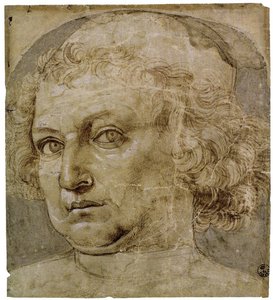
Andrea del Verrocchio
1435 - 1488 , Italy
Quick Facts
- Artistic Movement Or Style: Early Renaissance
- Artists Or Movements Influenced By This Artist:
- Leonardo da Vinci
- Pietro Perugino
- Artists Who Influenced This Artist:
- Donatello (debated)
- Fra Filippo Lippi
- Date Of Birth: c. 1435
- Date Of Death: 1488
- Full Name: Andrea del Verrocchio
- Nationality: Italian
- Notable Artworks:
- Baptism of Christ
- David
- Colleoni Statue
- Place Of Birth: Florence, Italy

