

 Preview
 Send
Send Share
Share
 Details

 Download
 Similars
 X-Ray
X-Ray Diaporama
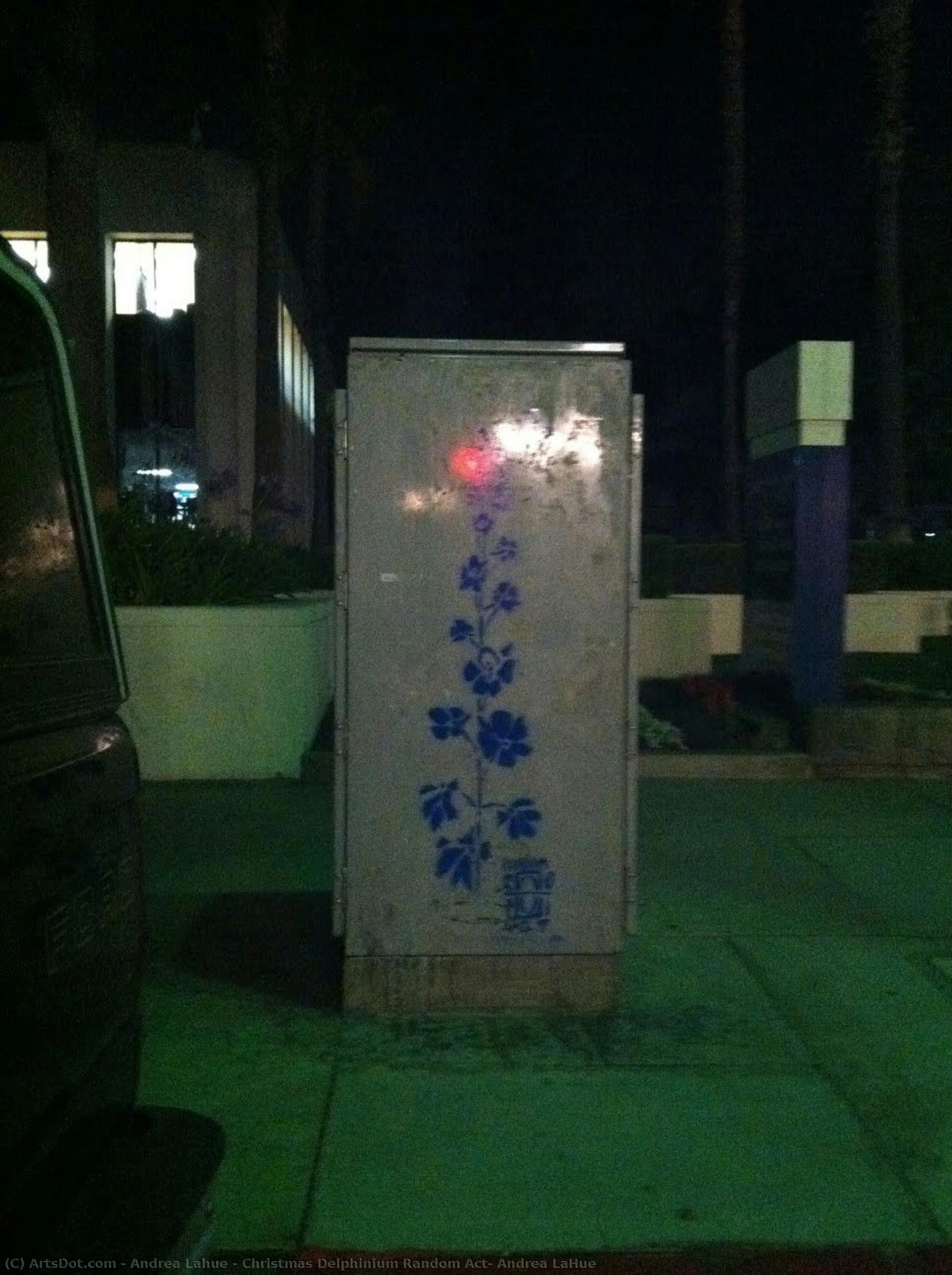
Christmas Delphinium Random Act, Andrea LaHue


 Read More
Purchase a high-resolution, enhanced digital image, far superior to the online preview.
Each file is meticulously prepared by our in-house specialists using advanced tools and expert manual retouching. We ensure every image has exceptional clarity, precise color accuracy, and fine detail.
The final file is delivered via email within 72 hours, optimized for immediate use in professional, editorial, and print environments. This is the same quality trusted by top-tier design studios, publishers, and galleries.
Digital Image
Download a high-resolution file for personal display, printing, and creative projects. ( Buy Print Buy Hand Made Painting)
Included in Every Digital Image Order
Expert Digital Delivery, Guaranteed
When you choose ArtsDot.com, you're not just getting an image - you're receiving a professionally enhanced digital artwork, crafted with precision and backed by a satisfaction guarantee. Here's everything that comes with your order, automatically:

Fast Email Delivery
Your high-resolution digital image file will be emailed to you within 72 hours of ordering - ready for immediate use.

AI-Enhanced Digital File
Your artwork is professionally optimized using advanced AI tools and manual editing, ensuring maximum detail, clarity, and color accuracy.

Free Lifetime Re-Delivery
Accidentally deleted or lost your file? No worries - we'll resend it to you anytime, free of charge.

No Import Fees - Ever
Enjoy your artwork instantly with zero customs, duties, or delivery fees - digital downloads are always tax-free.

Color Accuracy Guarantee
We ensure your digital image reflects the original colors as closely as possible using professional tools and color management.

60-Day Satisfaction Guarantee
If you're not satisfied with your digital image, we'll revise it or refund 100% within 60 days - no questions asked.

100% Money-Back Guarantee
Not satisfied? Get a full refund within 60 days of receiving your digital file - no questions asked.

Bulk Order Discounts
Buy 3 images, save 10% - Buy 5, save 15% - Buy 10+, save 20%. Great for creative projects, galleries, and agencies.
Related Artworks









Artist Biography
Pablo Picasso: A Revolutionary Vision
Pablo Picasso, born in Málaga, Spain, on October 25, 1881, remains one of the most transformative figures in the history of art. His life was a relentless exploration of form, color, and emotion, pushing the boundaries of artistic expression and fundamentally altering the course of modern painting. From his early training to his groundbreaking innovations like Cubism, Picasso’s career spanned over seven decades, leaving behind an astonishingly diverse body of work encompassing paintings, sculptures, ceramics, prints, and stage designs – a testament to his boundless creativity and enduring influence.
Picasso's artistic journey began under the guidance of his father, José Ruiz y Blasco, who was a painter and art teacher. Initially, he displayed an aptitude for drawing and sketching, but it wasn’t until his teenage years that he truly embraced painting, fueled by a desire to escape the constraints of his hometown and pursue a life dedicated to art. He briefly attended the Royal Academy of San Fernando in Madrid, but found its rigid curriculum stifling. Seeking artistic freedom, he moved to Barcelona where he studied at La Lloteria, a local art school that offered a more experimental approach.
Early influences were diverse and profound. The works of Spanish masters like El Greco, whose elongated figures and dramatic use of color deeply resonated with young Picasso, as well as the Impressionists and Post-Impressionists—particularly Van Gogh and Gauguin—provided crucial building blocks for his developing style. His formative years in Paris during the early 1900s were particularly pivotal, exposing him to a vibrant artistic community and introducing him to new ideas and techniques. He became associated with the avant-garde circles of Montmartre, engaging with poets, writers, and fellow artists who challenged conventional notions of art.
The Blue and Rose Periods
Picasso’s early career is often divided into distinct periods, each characterized by a unique palette, subject matter, and emotional tone. The “Blue Period” (roughly 1901-1904) emerged following the suicide of his close friend, Carlos Casagemas. Marked by somber hues of blue and gray, this period explored themes of poverty, loneliness, and despair, often depicting marginalized figures—blind beggars, prostitutes, and orphaned children. Works like *The Old Guitarist* (1903-1904) exemplify the emotional intensity and melancholic beauty of this era.
Following a shift in mood and palette, Picasso entered the “Rose Period” (1904-1906). This period was characterized by warmer tones—rose pinks, oranges, and yellows—and focused on subjects such as circus performers, acrobats, and harlequins. The influence of Iberian sculpture became apparent in this time, particularly evident in works like *Family of Saltimbanques* (1905), which depicts a group of traveling entertainers with stylized figures and simplified forms.
Cubism: A Revolutionary Approach
Picasso’s most significant contribution to the art world was undoubtedly Cubism. Developed in collaboration with Georges Braque, this revolutionary style shattered traditional notions of perspective and representation. Initially explored through “Analytical Cubism” (1907-1912), objects were broken down into geometric fragments and reassembled on the canvas from multiple viewpoints simultaneously. Colors were muted—primarily browns, grays, and ochres—to emphasize form and structure. *Les Demoiselles d’Avignon* (1907) is widely considered a foundational work of Cubism, showcasing its radical departure from traditional portraiture.
Later, Picasso developed “Synthetic Cubism” (1912-1914), incorporating collage elements—newspaper clippings, fabric scraps, and other found objects—into his paintings. This approach further blurred the boundaries between painting and reality, creating a more dynamic and layered visual experience. The influence of African masks and tribal art became increasingly apparent during this period, contributing to the stylized and abstracted forms characteristic of Cubism.
Later Years and Legacy
Throughout his later years, Picasso continued to experiment with various styles and techniques, exploring Surrealism, Neoclassicism, and Expressionism. He remained a prolific artist until his death in Mougins, France, on April 8, 1973, at the age of 91. His vast body of work—over 13,500 paintings, prints, drawings, sculptures, ceramics, stage designs, and book illustrations—represents an unparalleled artistic legacy.
Picasso’s impact on the art world is immeasurable. He not only pioneered Cubism but also fundamentally altered our understanding of representation, perspective, and the role of the artist. His innovative techniques, bold experimentation, and unwavering commitment to his vision continue to inspire artists today, solidifying his place as one of the most influential figures in modern art history. His works are held in major museums worldwide, ensuring that his revolutionary ideas will be appreciated for generations to come.

andrea lahue
1973 - , United States of America
Quick Facts
- Artistic Movement Or Style:
- Cubism
- Surrealism
- Neoclassicism
- Expressionism
- Artists Or Movements Influenced By This Artist:
- Modern art
- Contemporary art
- Artists Who Influenced This Artist:
- Cézanne
- El Greco
- African art
- Date Of Birth: 25 October 1881
- Date Of Death: 8 April 1973
- Full Name: Pablo Diego José Francisco de Paula Juan Nepomuceno María de los Remedios Cipriano de la Santísima Trinidad Ruiz y Picasso
- Nationality: Spanish
- Notable Artworks:
- Guernica
- Les Demoiselles d’Avignon
- The Weeping Woman
- Place Of Birth: Málaga, Spain

