

 Preview
 Send
Send Share
Share
 Details

 Download
 Similars
 X-Ray
X-Ray Diaporama
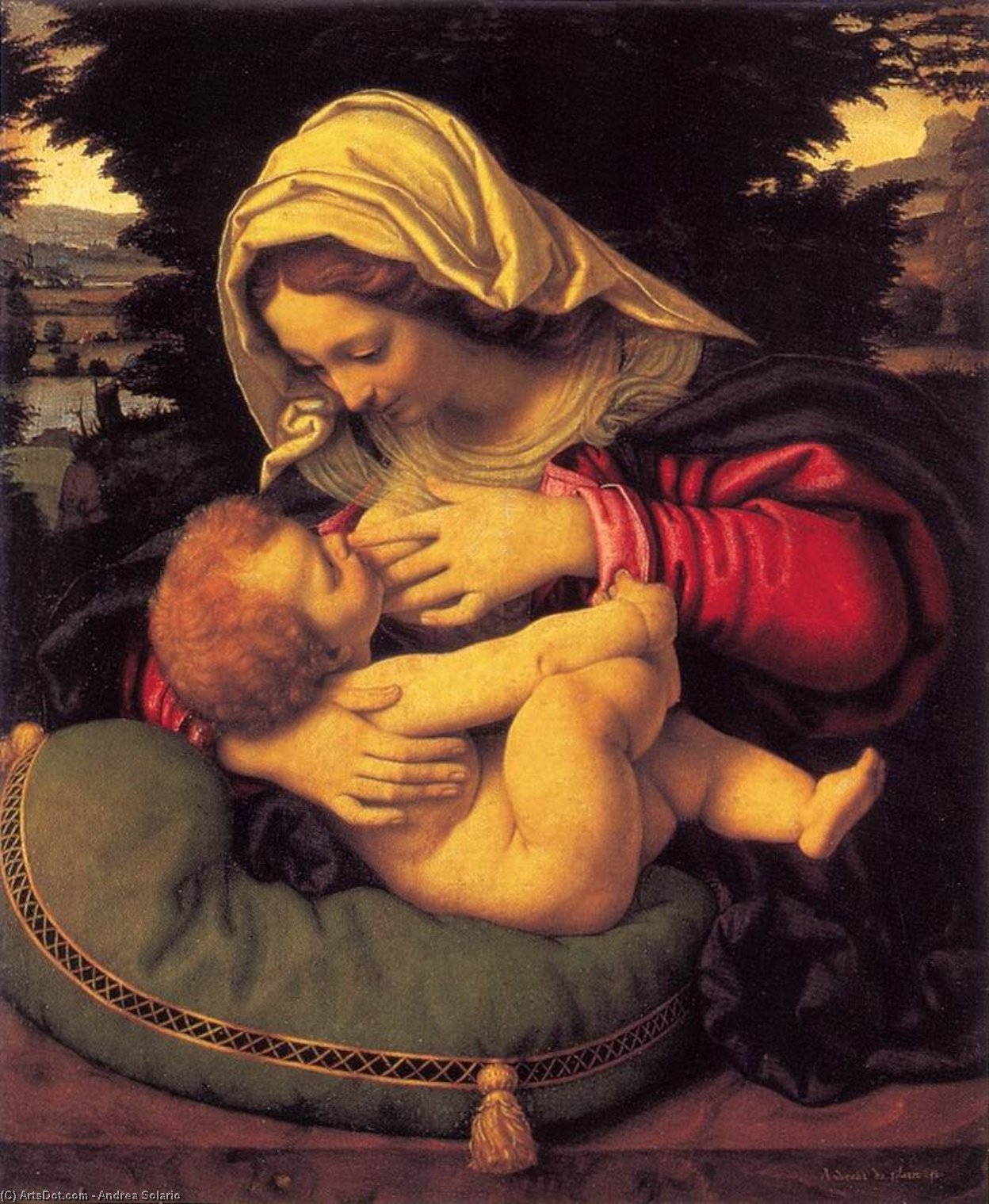
Madonna of the Green Cushion
 Oil On Canvas
- WallArt
- Renaissance Mannerism
 1507
1507 59.0 x 48.0 cm
 The Louvre
 Read More
Purchase a high-resolution, enhanced digital image, far superior to the online preview.
Each file is meticulously prepared by our in-house specialists using advanced tools and expert manual retouching. We ensure every image has exceptional clarity, precise color accuracy, and fine detail.
The final file is delivered via email within 72 hours, optimized for immediate use in professional, editorial, and print environments. This is the same quality trusted by top-tier design studios, publishers, and galleries.
Digital Image
Download a high-resolution file for personal display, printing, and creative projects. ( Buy Print Buy Hand Made Painting)
Included in Every Digital Image Order
Expert Digital Delivery, Guaranteed
When you choose ArtsDot.com, you're not just getting an image - you're receiving a professionally enhanced digital artwork, crafted with precision and backed by a satisfaction guarantee. Here's everything that comes with your order, automatically:

Fast Email Delivery
Your high-resolution digital image file will be emailed to you within 72 hours of ordering - ready for immediate use.

AI-Enhanced Digital File
Your artwork is professionally optimized using advanced AI tools and manual editing, ensuring maximum detail, clarity, and color accuracy.

Free Lifetime Re-Delivery
Accidentally deleted or lost your file? No worries - we'll resend it to you anytime, free of charge.

No Import Fees - Ever
Enjoy your artwork instantly with zero customs, duties, or delivery fees - digital downloads are always tax-free.

Color Accuracy Guarantee
We ensure your digital image reflects the original colors as closely as possible using professional tools and color management.

60-Day Satisfaction Guarantee
If you're not satisfied with your digital image, we'll revise it or refund 100% within 60 days - no questions asked.

100% Money-Back Guarantee
Not satisfied? Get a full refund within 60 days of receiving your digital file - no questions asked.

Bulk Order Discounts
Buy 3 images, save 10% - Buy 5, save 15% - Buy 10+, save 20%. Great for creative projects, galleries, and agencies.
Collectible Description
A Tender Moment Captured in Milanese Renaissance Elegance
Andrea Solario’s “Madonna of the Green Cushion,” painted around 1507, stands as a testament to the burgeoning Mannerist style emerging from Milan during Leonardo da Vinci's influential period. More than just a depiction of Virgin Mary and Child—a motif deeply rooted in Christian iconography—the painting embodies a sophisticated exploration of light, texture, and psychological nuance that distinguishes it from its predecessors.
- Artist: Andrea Solario (c. 1460 – 1524)
- Date: Circa 1507
- Medium: Tempera and Oil on Wood Panel
- Dimensions: 59 x 48 cm
- Location: Musée du Louvre, Paris
The Leonardesque Influence – A Dialogue Between Genius
Solario’s artistic journey began in Venice, where he absorbed the revolutionary innovations championed by Leonardo da Vinci—a connection evident in the painting's masterful use of sfumato, that hazy blending technique characteristic of Da Vinci’s masterpieces. However, Solario doesn’t merely imitate; instead, he imbues his work with a palpable emotional depth and sensitivity that speaks to the humanist spirit of the time. The luminous glow emanating from Mary’s face and the subtle shading across the green cushion itself convey an intimacy rarely achieved in earlier Renaissance art.
Composition and Symbolism – Layers of Meaning
The painting's composition is carefully orchestrated, presenting a serene tableau featuring Mary cradling her son amidst two figures standing near trees. This arrangement isn’t accidental; it reflects the prevailing artistic conventions of the era while simultaneously conveying symbolic significance. The green cushion—a deliberate choice—represents fertility and nurturing, mirroring Mary’s role as protector of life. Furthermore, the positioning of the figures subtly directs the viewer's gaze towards the central Madonna and Child, reinforcing their importance within the narrative.
Technique – Precision Meets Atmospheric Depth
Solario’s meticulous technique demonstrates a profound understanding of pigment mixing and layering—essential skills honed during his Venetian training. The artist skillfully employs tempera to establish initial tonal values before applying oil glazes, creating an astonishingly rich surface texture that captures the subtle nuances of light and shadow. This masterful blending achieves remarkable atmospheric depth, transporting the viewer into the tranquil setting depicted.
A Legacy of Elegance – Why “Madonna of the Green Cushion” Remains Captivating
"Madonna of the Green Cushion" transcends mere representation; it’s an emotive exploration of maternal devotion and spiritual serenity. Its enduring appeal lies in Solario's ability to synthesize Leonardo’s groundbreaking innovations with his own distinctive artistic vision—a synthesis that secures its place as a cornerstone of Milanese Mannerism and a poignant reminder of the Renaissance fascination with human emotion and idealized beauty. Today, reproductions offer an opportunity to experience this timeless masterpiece firsthand.
Related Artworks
Artist Biography
Andrea Solario: A Renaissance Bridging Italy and France
Andrea Solario (c. 1460 – 1524), a name often overshadowed by the giants of the Italian Renaissance, nevertheless represents a crucial link between the vibrant artistic currents of Milan and the burgeoning Mannerist style taking root in France. Born into a family steeped in artistic tradition—his father and brothers were sculptors and architects—Solario’s journey was one of constant movement and adaptation, ultimately shaping him into a distinctive painter whose work reflects both his Italian roots and the influences he encountered across Europe.
Early accounts of Solario's life are fragmented, relying heavily on the writings of Bernardo de’ Dominici, a Neapolitan art historian whose chronicles were often colored by conjecture. Despite this uncertainty, it is generally accepted that Solario received his initial training in Venice, a city renowned for its artistic innovation during the late 15th century. The presence of Antonello da Messina, a pivotal figure in Venetian painting known for his pioneering use of oil paint and his naturalistic approach to portraiture, undoubtedly shaped Solario’s early development. The influence is particularly evident in works like “A Man with a Pink Carnation,” a remarkably lifelike depiction that showcases Antonello's signature sculptural modeling and attention to detail.
Milanese Roots and Leonardo’s Shadow
Solario’s career truly took shape in Milan, the artistic heart of Lombardy. He quickly established himself as a sought-after painter, working for prominent families and religious institutions. His style during this period is often described as “Leonardesque,” reflecting his deep admiration for Leonardo da Vinci, who had spent several formative years in Florence. Solario’s paintings demonstrate a keen understanding of Leonardo's techniques—particularly his use of sfumato (the subtle blurring of outlines) to create atmospheric depth and psychological nuance—but he never simply imitated his master. Instead, Solario skillfully integrated these influences into a distinctly personal style.
Notable works from this Milanese phase include “Rest During the Flight to Egypt,” a stunning High Renaissance panel depicting the biblical scene with serene figures and a remarkably detailed landscape background. The composition’s harmony and balance, coupled with its masterful use of color and light, exemplify Solario's artistic maturity. Similarly, his portrait of Charles II d’Amboise, commissioned by the Cardinal, showcases his ability to capture both physical likeness and psychological character.
A Journey North: France and the Influence of Flemish Art
In 1507, Solario embarked on a significant chapter of his career when he was invited to France by Cardinal Georges I d’Amboise. This invitation marked a turning point in his artistic development, exposing him to the vibrant art scene of the Loire Valley and introducing him to the stylistic innovations of the Flemish masters. His time in France resulted in several important commissions, including frescoes for the chapel of Gaillon Castle, where he skillfully blended Italian Renaissance principles with elements of Northern European painting.
The influence of Flemish art is particularly evident in works like “The Lamentation,” a poignant depiction of mourning characterized by its rich colors, dramatic lighting, and expressive figures. Solario’s use of oil paint—a technique that was still relatively new in Italy at the time—allowed him to achieve unprecedented levels of detail and luminosity. This period also saw the creation of smaller panels like “Madonna and Child with a Donor,” demonstrating his continued ability to capture individual likenesses with remarkable accuracy.
Legacy and Historical Significance
Andrea Solario’s legacy is often underestimated, yet he played a vital role in transmitting Renaissance artistic ideas across Europe. He was not merely a follower of Leonardo da Vinci; he was an independent artist who synthesized diverse influences into a unique and compelling style. His work bridges the gap between the early Italian Renaissance and the Mannerist movement that would soon dominate European art. Solario’s paintings offer a valuable glimpse into the artistic exchange that characterized the 16th century, demonstrating how artists could learn from and adapt to the styles of their contemporaries across national boundaries.
Despite the challenges posed by fragmented historical records and the tendency to attribute his work to other painters, Andrea Solario remains a significant figure in Renaissance art. His paintings continue to captivate viewers with their beauty, technical skill, and emotional depth, reminding us of the rich artistic heritage that flourished during this transformative period.
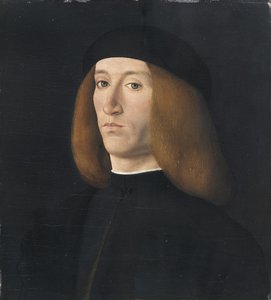
andrea solario
1460 - 1524 , United Kingdom
Quick Facts
- Artistic Movement Or Style: Milanese School
- Artists Or Movements Influenced By This Artist:
- Early Renaissance
- Renaissance
- Artists Who Influenced This Artist:
- Leonardo da Vinci
- Antonello da Messina
- Date Of Birth: 1460 Milan, UK
- Date Of Death: 1524 Milan
- Full Name: Andrea Solario
- Nationality: Italian Renaissance
- Notable Artworks:
- Rest during the Flight to Egypt
- Female Portrait
- Madonna with Green Cushion
- Place Of Birth: Milan, Italy

